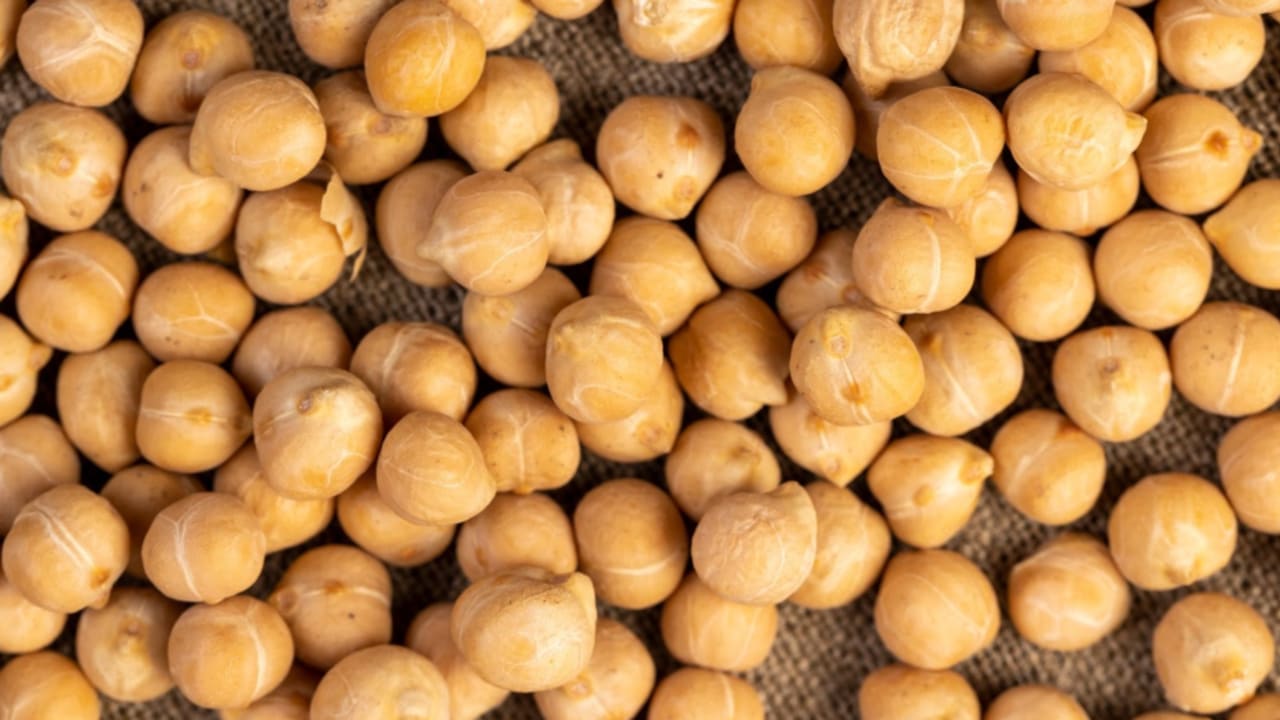
New research presented at the annual meeting of the American Society for Nutrition suggests that consuming chickpeas daily may lower cholesterol levels in individuals with prediabetes. The study, conducted by researchers at the Illinois Institute of Technology, recruited 72 participants with prediabetes and randomly assigned them to eat a cup of black beans, chickpeas, or rice for 12 weeks while maintaining their usual diet.
Researchers collected blood samples at the beginning of the study, after six weeks, and at the end of the 12 weeks to monitor cholesterol, inflammation, and blood sugar levels. Participants who consumed chickpeas experienced a decrease in total cholesterol from an average of 200.4 to 185.8 milligrams per deciliter after 12 weeks. Those who ate black beans showed a reduction in interleukin-6, a marker of inflammation, dropping from 2.57 picograms per milliliter at baseline to 1.88 picograms per milliliter after 12 weeks.
"Individuals with prediabetes often exhibit impaired lipid metabolism and chronic low-grade inflammation, both of which can contribute to the development of conditions like heart disease and type 2 diabetes," said Morganne Smith, a doctoral candidate at Illinois Institute of Technology, according to The Independent. "Our study found that bean consumption helped significantly lower cholesterol and reduce inflammation in people with prediabetes, although glucose levels were not changed."
While participants who consumed chickpeas saw a reduction in cholesterol levels, those who ate black beans did not exhibit the same effect on cholesterol but did show reduced inflammation. No changes were observed in markers of glucose metabolism in any of the groups.
The study also found that chickpeas appeared to reduce inflammation in the short term. Participants in the chickpea group experienced a decrease in high-sensitivity C-reactive protein (hs-CRP) after six weeks, although by the 12th week, the difference was no longer apparent.
"There are a lot of ways to incorporate beans into your regular diet as a cost-effective way to support overall health and reduce the risk of chronic diseases," Smith said. "You can blend them to add some thickness to a soup base, add them as a salad topping, or pair them with other grains like rice or quinoa."
The researchers are planning the next phase of the project to examine how consuming black beans and chickpeas influences gut health to better understand the connection between the gut microbiome and metabolic health. "We're particularly interested in identifying changes in microbial-derived metabolites, such as short-chain fatty acids, and how these shifts may contribute to improved metabolic health outcomes," Smith explained.
The full results of the study are yet to be published in a peer-reviewed journal, and the findings should be considered preliminary until such publication is available.
Principal investigators for the study include Indika Edirisinghe, PhD, and Britt Burton-Freeman, PhD, from the Illinois Institute of Technology.
The study indicates that incorporating beans into daily diets could serve as a cost-effective way to reduce the risk of chronic diseases. "These findings could be used to inform dietary guidelines, clinicians, or public health programs focused on preventing heart disease and diabetes," Smith said.
The preparation of this article relied on a news-analysis system.