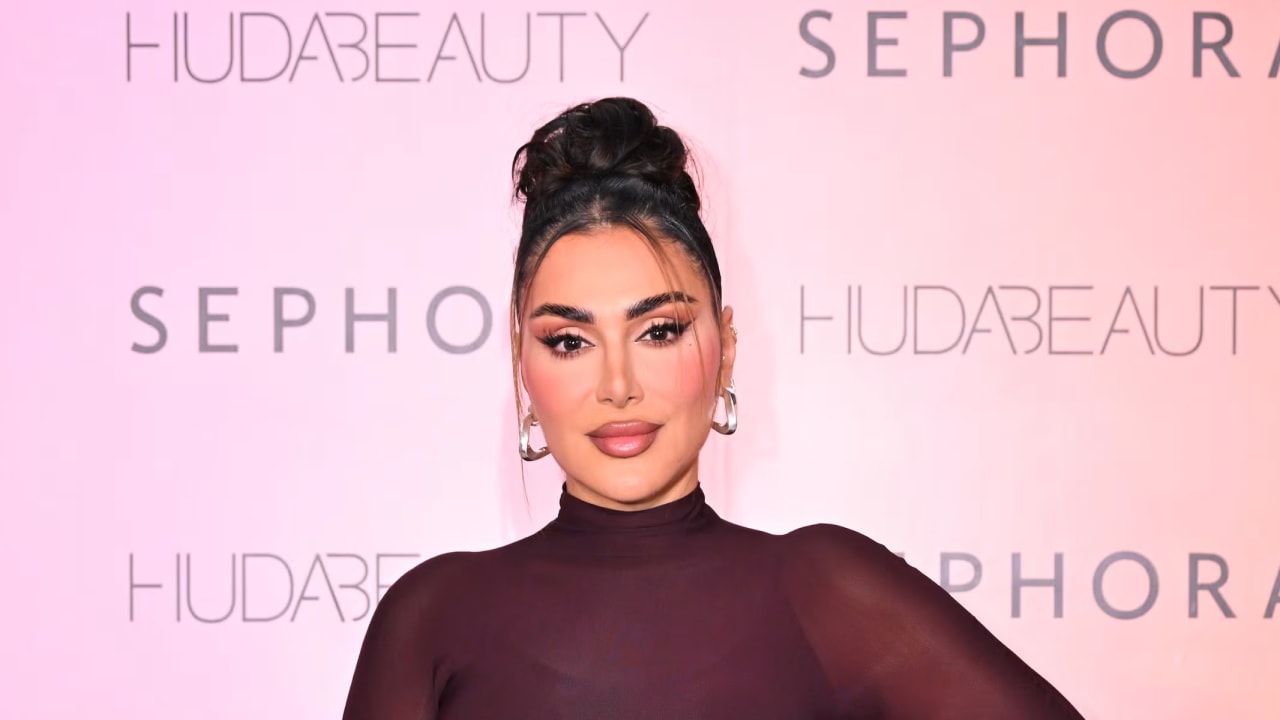
Sephora decided to cut ties with the Iraqi-American entrepreneur Huda Kattan, creator of the cosmetics brand "Huda," after she posted a series of antisemitic videos on TikTok in July.
The videos, posted by Kattan, promoted an antisemitic conspiracy theory blaming Jews and Israel for nearly every major catastrophe of the last century, including both world wars and the 9/11 attacks, to her 1.7 million TikTok followers.
“All the conspiracy theories that come out have a lot of evidence behind them - that Israel was behind World War I, World War II, 9/11, October 7 - they allowed all of these things to happen,” she said in the video.
The watchdog group StopAntisemitism quickly demanded Sephora cut ties with her brand, while TikTok removed the video for “violating platform rules.”

Sephora says 'enough,' cuts ties with Kattan
Sephora, owned by luxury conglomerate LVMH, initially tried to buy time, issuing a cautious statement that said it was “reviewing the situation in partnership with the brand.” However, as public pressure mounted, the company made a final decision: it removed Huda Beauty from its prestigious “Experts” campaign.
Kattan built her brand from the ground up. Born in the US to Iraqi parents, she launched Huda Beauty in 2013, growing it into one of the world’s most successful cosmetic companies. It is sold not only at Sephora but also at major retailers such as Harrods and Nykaa in India.
In North America, however, Huda Beauty relies almost entirely on exclusive distribution through Sephora. If Sephora cuts ties completely, she could lose her most important market. StopAntisemitism has already warned that being dropped from the campaign is only “a significant first step.” Until Sephora fully severs ties, the group says it will call for a boycott of the retailer.
Kattan eventually tried to do damage control. She posted a lengthy video claiming her words had been “misinterpreted” and that her original clip was “criticism of Israeli policy, not of Jews or Judaism.” She said she deleted it herself after realizing “the content was distorted,” and blamed critics for running a smear campaign.