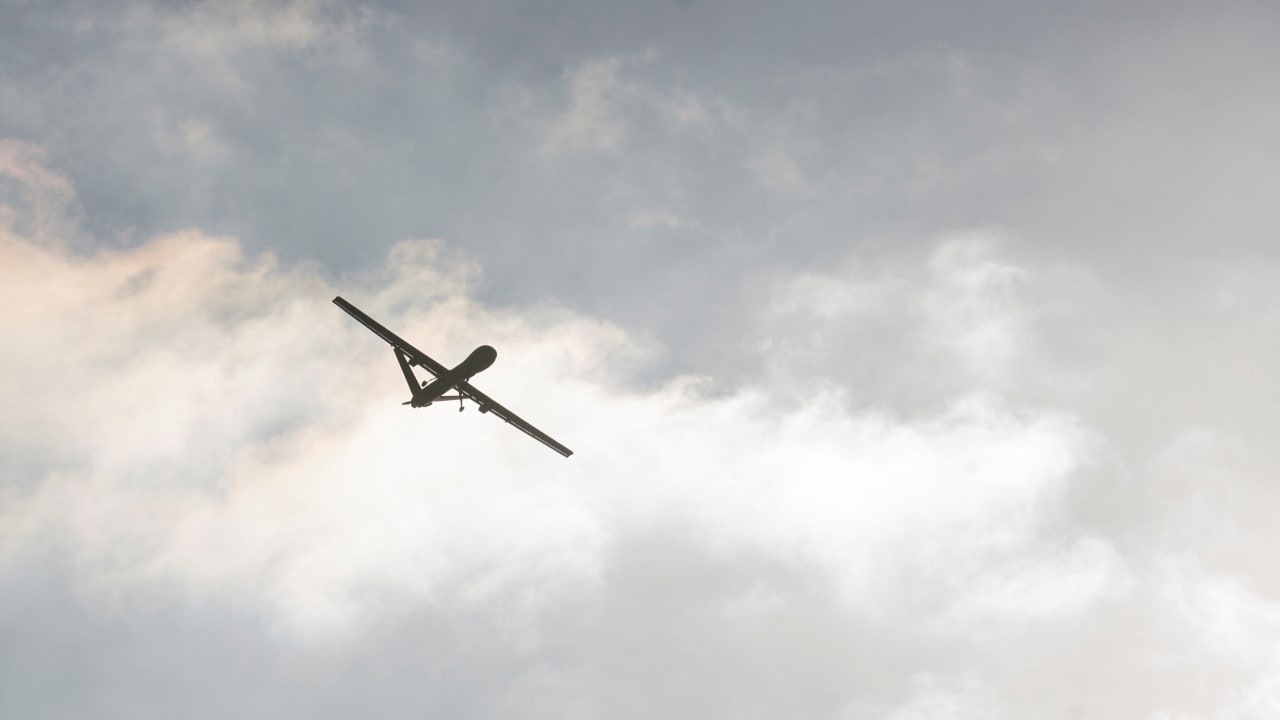
The threat of drones, ranging from lightweight UAVs to one-way attack drones, has in recent years become one of the central challenges facing military forces on the modern battlefield. Although no official casualty figures have been published from the war between Russia and Ukraine, there is a broad consensus among military analysts, research institutes, and field reports that drones, particularly FPV (First-Person View) drones, have become one of the leading causes of fatalities and injuries in this conflict.
Beyond their immediate lethality, FPV drones that are in capable hands can shape broader military outcomes, such as bypassing advanced air defense systems and striking and disrupting high-value targets with precision, for example, supply lines. Such effects extend beyond the battlefield, eroding the opponent’s operational confidence and morale.
During Operation Rising Lion, Israel witnessed the success of national defense arrays, which focus primarily on intercepting ballistic missiles, long-range rockets, and large-signature drones (which advanced radars can effectively detect). Ultimately, Israel’s war with Iran concluded with fewer casualties than initially projected, thanks to these systems.
By contrast, defense of tactical forces, either ground troops stationed along a border or maneuvering deep inside enemy territory, presents an entirely different set of requirements, constraints, and solutions. These still demand significant upgrades and procurement efforts in order to reduce the vulnerability and casualties of ground forces.
Fortunately, the IDF has so far faced these threats at a relatively lower scale than those seen in Ukraine. Yet given the heavy toll on ground forces in that theater, the importance of developing effective protective measures against this threat is abundantly clear.
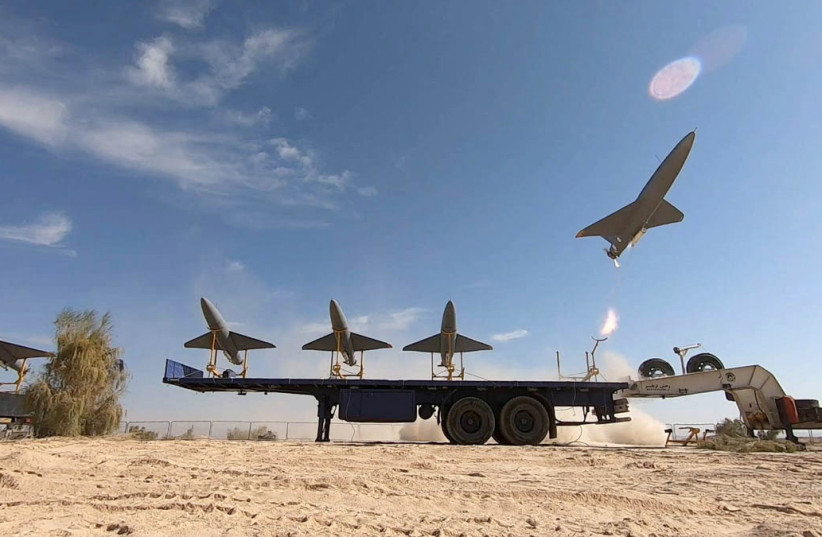
While national defense relies on multilayered systems, advanced operators, and favorable conditions, tactical defense requires compact, fast, affordable, and rugged solutions for harsh field environments. Efficient integration of technologies, tailored training, and simplified operation are key to creating effective protection for maneuvering forces against the growing drone threat.
Just as Israel has proven itself a global leader in missile defense, I believe we can also become a leader in developing effective tactical defense solutions for ground forces—ensuring that maneuvering units have the protection they need on the modern battlefield.
To achieve this, Israel must accelerate R&D, field-testing, and procurement of compact counter-drone systems, ensuring that every maneuvering brigade is equipped with tactical protection just as the home front is protected by Iron Dome.
National Defense vs Tactical Defense: A comparison
| Aspect | National Defense | Tactical Defense |
Detection & Timelines | Threats at 10s–100s of km; minutes to hours of warning | Threats at 100s of meters - few km; response windows of seconds |
Interception Tools | Missile batteries, large radars, lasers, kinetic weapons | Mobile, lightweight tools: precision fire, portable lasers, jamming, counter-drones |
Human Factor | Operators in protected command centers with full support staff | Soldiers in the field, sometimes under fire, making split-second decisions while exhausted and physically exposed |
Sensor Integration | Multiple layered sensors: long-range radars, IR, optical, SIGINT, acoustic | Constrained by weight/energy; relies on compact RF + EO sensors + AI-driven analysis |
Cost & Deployment | Extremely expensive, justified for strategic assets and civilians | Must be affordable, rugged, and deployable at brigade/battalion/company level |
Conclusion
While national defense relies on multilayered systems, advanced operators, and favorable conditions, tactical defense requires compact, fast, affordable, and rugged solutions for harsh field environments. Efficient integration of technologies, tailored training, and simplified operation are key to creating effective protection for maneuvering forces against the growing drone threat.
Just as Israel has proven itself a global leader in missile defense, I believe we can also become a leader in developing effective tactical defense solutions for ground forces—ensuring that maneuvering units have the protection they need on the modern battlefield.
To achieve this, Israel must accelerate R&D, field-testing, and procurement of compact counter-drone systems, ensuring that every maneuvering brigade is equipped with tactical protection just as the home front is protected by Iron Dome.