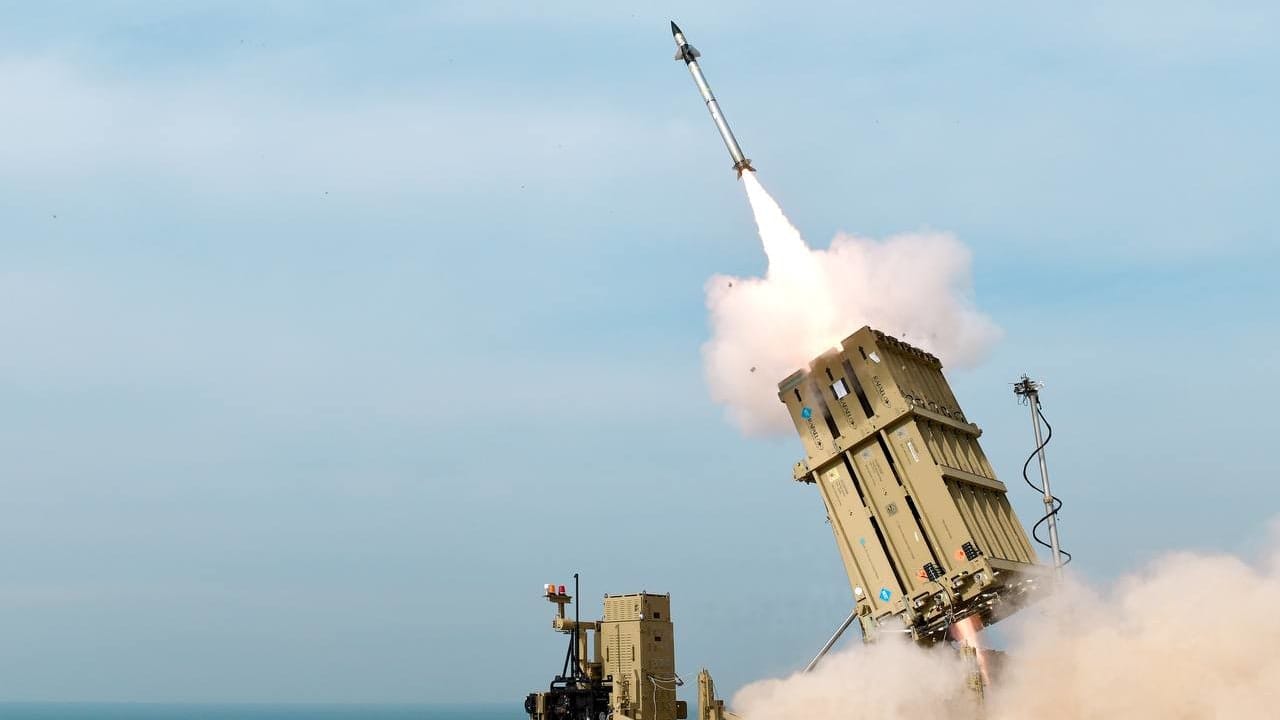
The world is re-arming. A new global landscape, defined by the return of major power rivalry and the proliferation of sophisticated, low-cost weaponry, is forcing a radical rethink of national security. In this turbulent new era, a unique and historic opportunity has emerged for Israel. Forged in the crucible of a multi-front war, Israel has the potential to not only solidify its own defenses but also to secure its economic future and enhance its global standing as an indispensable partner for the free world.
The nature of warfare is changing at a breakneck pace. The global defense-tech sector is experiencing a seismic shift. While traditional defense giants continue to build the critical systems of war like fighter jets and sophisticated missile platforms, a new ecosystem of agile, innovative startups is filling crucial gaps and driving revolutionary change in specific, high-impact domains.
This disruption is fueled by technological leaps in AI, robotics, autonomous systems, nanotechnology, and more. These technologies are rewriting the rules of the battlefield, enabling more coordinated, precise, and lethal attacks, but also democratizing the threat.
Today, rogue organizations and terror proxies can harness cheap, commercially available drones to inflict significant damage, embedding themselves within civilian populations and creating complex ethical and operational dilemmas for conventional armies.

This technological revolution is converging with a stark geopolitical reality. The war in Ukraine shattered Europe's post-Cold War complacency, triggering a surge in defense spending. Similarly, in Southeast Asia, the heightened tensions over China's claims on Taiwan have spurred a modern arms race, with countries like Japan, Australia, and the Philippines significantly upgrading their military capabilities to deter potential Chinese aggression.
The trend of increased militarization is global, with nations recognizing the need to modernize and expand their military capabilities. This has resulted in a dramatic and sustained increase in demand for cutting-edge defense solutions worldwide.
It is in this precise context that Israel finds itself in a uniquely powerful position. We are already a globally recognized leader in defense technology, with a proven track record in air defense, unmanned systems, cyber warfare, and advanced weaponry. Israeli systems have demonstrated their superiority and are in high demand, with defense exports reaching record-breaking figures in recent years.
But our most significant, and fleeting, advantage is far more profound. The war forced upon us since October 7th has been a national trauma, but also a testament to our resilience. With a reserve mobilization that reached well over 100%, thousands of Israel’s brightest minds - the founders, R&D leaders, and engineers from our world-renowned tech ecosystem - left their boardrooms and keyboards for the battlefield. Their contribution began immediately, with many leading civilian initiatives to apply big data, AI, and other technologies to the urgent tasks of tracking hostages and identifying the missing.
As soldiers, these elite problem-solvers did what Israeli tech professionals do best: they innovated under pressure. In the dense urban labyrinths of Gaza, facing unprecedented subterranean threats and fighting on seven distinct fronts, they developed solutions on the fly, iterating in real-time to solve urgent challenges in battlefield coordination, robotics, and tactical intelligence. They did not just operate the technology of modern warfare; they stress-tested it, broke it, and rebuilt it better under the most extreme conditions imaginable.
Israelis firsthand experience of modern battlefield’s most pressing challenges
Now, as these citizen-soldiers return to civilian life, they bring with them an unparalleled and priceless asset: firsthand, end-user experience of the modern battlefield’s most pressing challenges. This is a level of insight that no lab, simulation, or foreign military can replicate. This experience is the seed corn for the next boom in Israeli innovation. We are about to witness a wave of new ventures, founded and staffed by these battle-hardened technologists, specifically designed to address the vulnerabilities and opportunities they identified for themselves.
The world is watching. As nations urgently seek to prepare for future conflicts, the skillset and experience incubated in Israel are in critical demand. This is Israel’s historic opportunity. We can harness this moment to not only enhance our own security but to fuel significant economic and industrial growth and strengthen our geopolitical posture. By exporting this next generation of battle-proven technology and strategic know-how, Israel can help like-minded nations defend themselves against the threats of a more dangerous world, thereby helping to deter and prevent future conflicts.
This window of opportunity, however, is not permanent. The potent combination of our established tech prowess and this unique, widespread combat experience is a historic anomaly. We must act decisively. The government, in partnership with the private sector, must forge strategic global partnerships and create the policy frameworks and investment vehicles necessary to ensure this wave of battlefield innovation translates into a tangible strategic and economic renaissance. Let us seize this moment to fortify our nation, power our economy, and solidify our role as a crucial force for stability and security on the global stage.
Amos Yadlin, a retired major-general and former head of the IDF Military Intelligence Directorate, is the president and founder of MIND Israel.
Yuval Weinreb is the director of The Critical & Emerging Technologies Program at MIND Israel.