
A quiet yet profound transformation is taking place in the global tourism industry: The golden passport photo and the country-counting tally, which previously served as status symbols, are losing their power. Facing the burnout of traditional "sun and sea" vacations, a new trend known as "identity tourism" is taking root. Within this framework, the question of a geographical destination takes a back seat to a more personal question: Which version of ourselves do we want to encounter overseas?
This is not merely a passing fad, but rather the evolution of the "experience economy" – the concept that material consumer goods have lost some of their ability to excite or define prestige, while the ability to craft a personal story through experiences and memories has become a central component in choosing a vacation.
This conceptual shift is reflected in recent international reports by Booking, based on surveys among tens of thousands of travelers. According to the data presented in the article, about 78% of travelers now choose their next vacation based on a specific content event or passion – a sports competition, a live performance, a niche festival, or an in-depth workshop – and not necessarily because of the attractiveness of the host country.
The connection between travel, social status, and personal meaning is not new. Already in the Greek and Roman worlds, members of the upper class traveled to watch the Olympic Games or bathe in healing springs. In the Middle Ages, religious pilgrimage was one of the primary motivations that drove masses out of their villages. In the 18th and 19th centuries, the "Grand Tour" became established in Europe – a journey designed to expose young aristocrats to art and culture as part of their training and social standing.
The commercial turning point arrived in the 19th century with Thomas Cook, who transformed a train ride in 1841 into an organized and accessible service. However, since the expansion of the middle class after World War II, and even more so following the low-cost flight and internet revolutions, travel transformed from a rare privilege of the wealthy into a mass consumer product.
This process gradually eroded the classic "sea, sun, and sand" model. Traditional vacation options no longer sufficed for some travelers, giving way to a search for unique and distinctive content.
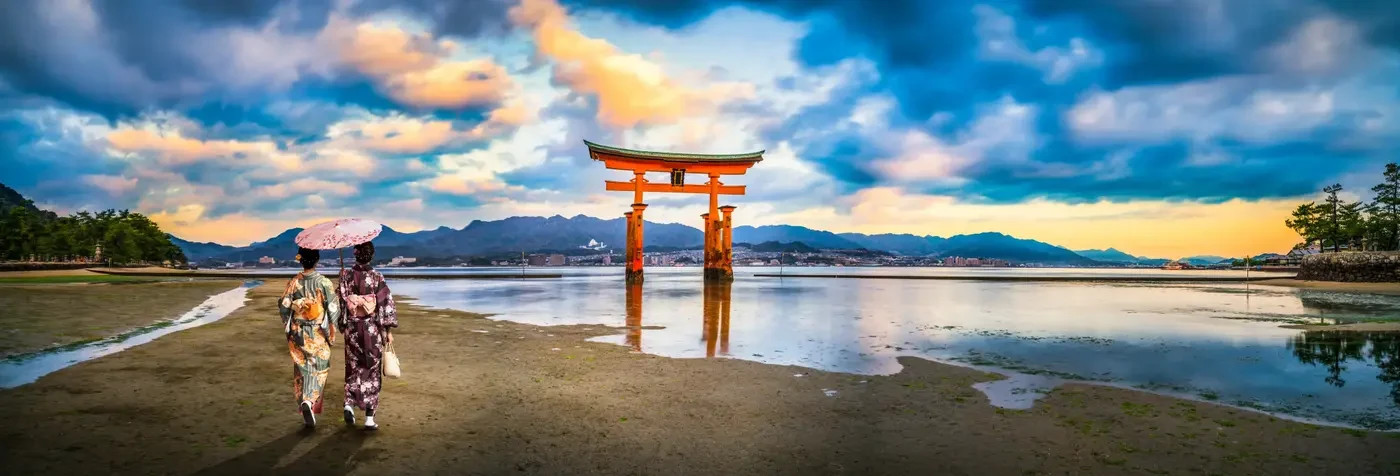
When geographical distance no longer deters
The expansion of the tourism map is reminiscent of the "Uppsala Internationalization Model" from the field of corporate international expansion. The model describes how companies begin operating in markets close to them culturally and geographically, and only later penetrate more distant and complex spaces.
A similar pattern characterized the Western tourist: Initially visiting classic European capitals, and later daring to venture into East Asia, Africa, and Latin America. At the same time, the "psychological distance" – that perceptual, linguistic, and cultural gap that once deterred people from traveling to distant regions – shrank.
As destinations like Japan and Rwanda sophisticated themselves and adapted to the demands of the global tourist, the sense of distance from them diminished. Long-haul flights became an accessible and familiar option, and often no more difficult to plan than a weekend getaway to a nearby destination.
Where are we going? It depends on what we want to be
In a world where almost every point on the globe is accessible at the click of a screen, the country itself has ceased to be the main story. In its place, Special Interest Tourism (SIT) is taking hold, where the traveler is driven by personal and focused interests.
Thus, for example, amateur athletes travel to cycle across the Alps or participate in a marathon in the desert; culinary enthusiasts map natural wineries and secluded restaurants; culture seekers head out for writing workshops in the Greek islands or Venice; and roots-seekers retrace the history and geography of their ancestral communities or visit historical battlefields.
As resources and leisure time expand, the sought-after experience dictates the itinerary. Content becomes the compass, and the geographical destination is primarily the stage upon which the experience unfolds.
The psychological engine of this change lies in the realization that travel has become a central tool for self-definition. In the past, people expressed their status and identity through material products like a new car, a luxury watch, or a residential neighborhood. Today, identity is built and displayed also through leisure experiences.
Post-army Israeli backpacking, for example, serves as a sociological rite of passage into adulthood; a trip to volunteer in Africa may express environmental and social commitment; and a weekend getaway to a music concert in London projects cultural currency. The vacation becomes a story that a person tells themselves and their surroundings, and in many cases, it shapes their self-image more than any material object they might purchase.
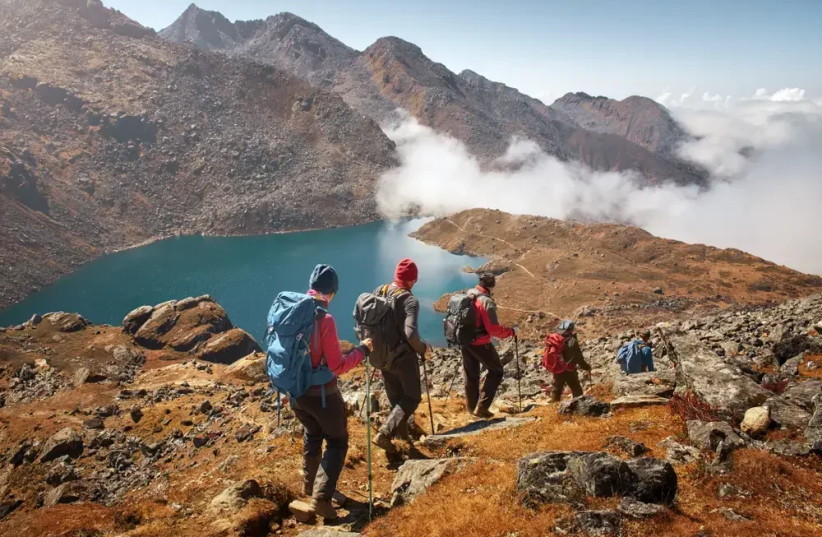
Seniors are also seeking experiences, not just comfort
One of the most prominent expressions of the trend is currently taking place in senior tourism, which is becoming a significant economic driver in the sector. Today's 70-and-olds are in many respects different from previous generations: Many of them are healthy, well-off, curious, and hold decades of active leisure ahead of them.
Similarly to the development of kosher tourism, which was designed to make destinations worldwide accessible to traditionally observant audiences, seniors today demand accessibility and comfort alongside rich and challenging content. They utilize artificial intelligence to plan their journeys, but are willing to invest substantial sums in logistical support that will reduce unnecessary effort and allow them to experience the world without compromising on comfort.
Ultimately, planet Earth has not changed, but the tourism map has certainly been reborn. The traveler is no longer looking merely for a place to visit or another country to check off in a passport, but for an experience that will impart meaning to the journey and express something about the person they want to be.
Dr. Gila Oren is the head of the Department of Marketing and Business Development at the College of Management.