
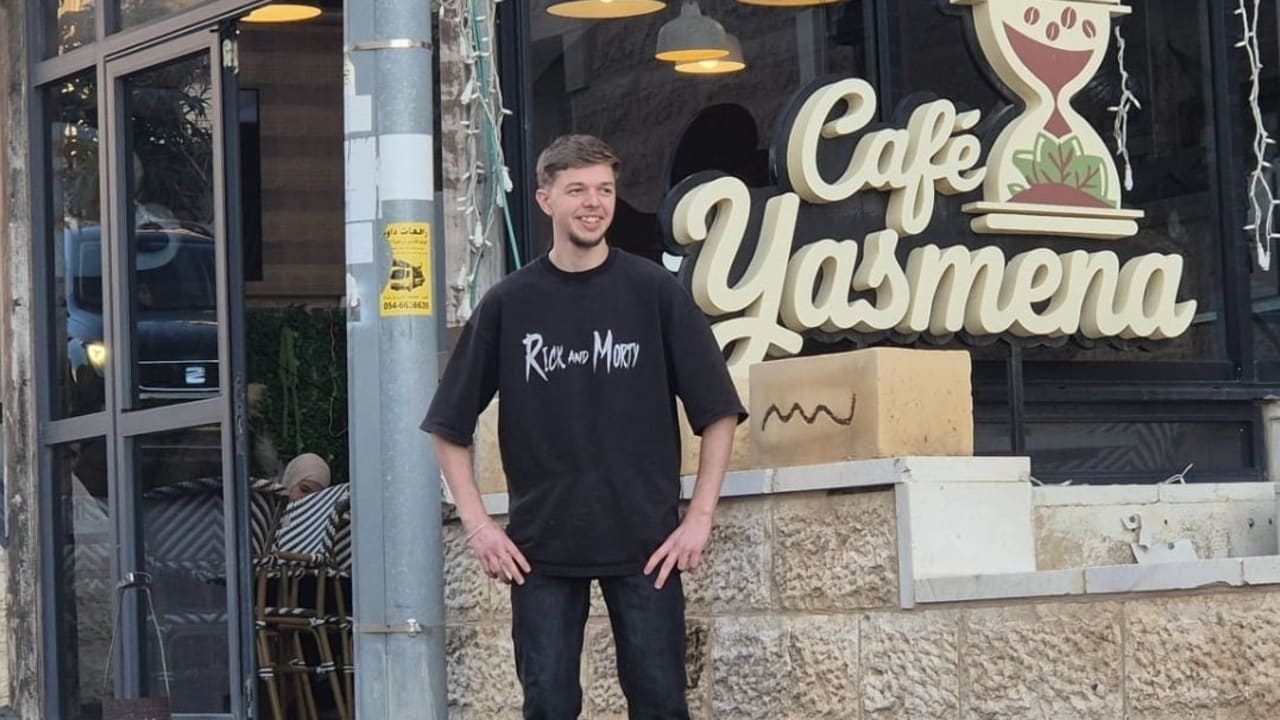

In a narrow alley in Beit Hanina, an Arab neighborhood in northern Jerusalem, a small illuminated sign draws attention to Café Yasmena.
Inside, 23-year-old Imad Nasser oversees the café almost entirely on his own. He stepped into the role a year ago, leaving his previous renovation job in Tel Aviv to start fresh in the food-service business.
Following his father’s advice, Nasser began working at the café, tucked away from the larger coffee shops thriving along the neighborhood’s main road. He serves drinks, cooks, washes dishes, works on marketing and design, and handles every detail at the café.
“I’m not thinking only about tomorrow,” Nasser told The Jerusalem Report. “I’m looking at where I see myself in 10 years.”
“I feel that I do something meaningful and I’m satisfied with it,” he said, adding that for him, the café is more than just a temporary source of income.
He hopes to grow professionally and build a future for himself in the industry, noting that he’s now considering studying to become a chef or pastry chef, a step that could help him achieve his goals.
Unlike some Arab men his age, who he says are unwilling to work and prefer to stay at home, smoke, and live at their parents’ expense, Nasser said he believes he should support himself.
“I want to make my family proud,” he explained.
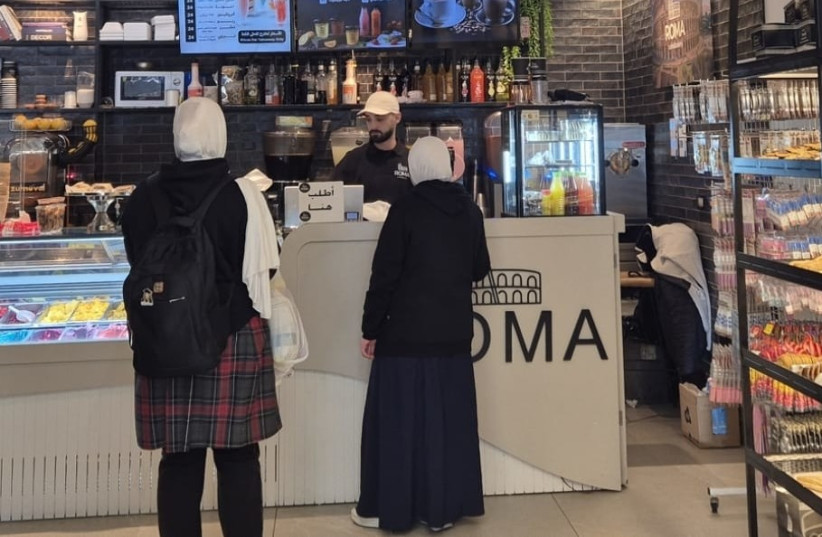
It is hard to miss Nasser’s constant efforts to improve the café, attract more customers, and help the business grow. Some of its popular dishes include chicken fettuccine and Caesar salad, while the menu also offers Italian dishes, sandwiches, and fast food.
“There is variety, a mix of many things,” the 23-year-old said. His enthusiasm comes through as he describes the place and the food. As he walks through the café, he points to the area where coffee and other drinks are prepared before leading the way to the back room, whose cozy atmosphere is clearly part of the café’s appeal.
The café boom
Café Yasmina is just one small example of the transformation reshaping Beit Hanina’s café scene.
New cafés and restaurants have sprung up along the neighborhood’s main road in recent years, offering residents and visitors places to meet, eat, drink, relax, and spend time.
The cafés and restaurants have become increasingly popular, creating a significant commercial boost and a thriving new social life for Jerusalem’s Arab residents.
Their stylish interiors, varied selections of food and drinks, fresh Western-style pastries, and carefully prepared coffee have attracted people from across east Jerusalem, injecting new energy into the city’s social and economic landscape.
The change is especially noticeable as businesses in Jerusalem’s Old City struggle with declining tourism, with shopkeepers reporting mounting economic pressure.
Although the Old City has traditionally served as the commercial and social center for Arab residents of the city, Beit Hanina is emerging as what some describe as a new focal point for commercial activity, dining, shopping, and socializing.
Brewing new opportunities
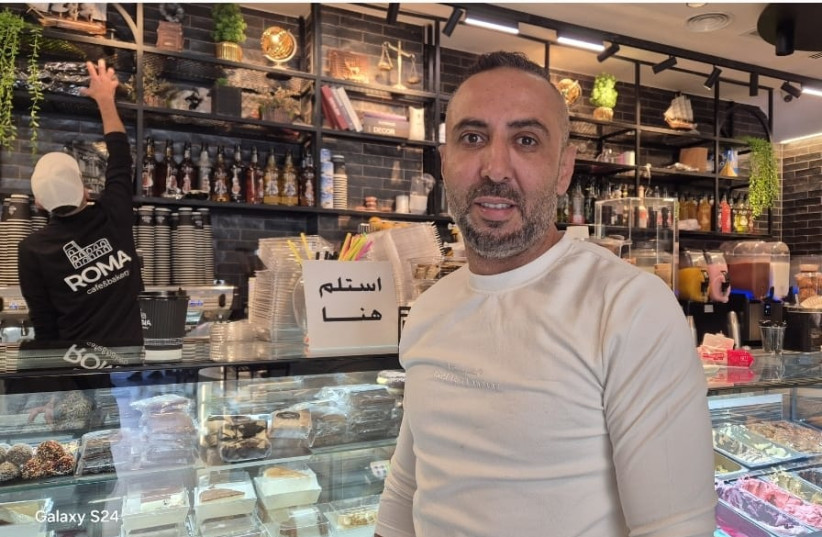
Among those who have witnessed this growth is Amin Dweik, the owner of Roma Café. Building the café from the ground up was far from easy, despite Dweik’s 17 years of experience in the field, and he faced numerous challenges along the way.
“People told me it would fail; that it wouldn’t work,” he recalled. “But I believed I could do it and that it would succeed.”
In the beginning, one of the main hurdles, Dweik said, was making people aware of the café and showing them that they could enjoy coffee, pastries, and time outdoors in the fresh air. He added that it took time for people to embrace the concept.
“But over time, I saw that demand was growing for a place of this kind,” he noted. “I think people were thirsty for something like this; They love the idea that they have a place to go to.”
Like other cafés and pastry shops that have opened nearby, Dweik’s business draws customers from across the community.
Young women can be seen sitting with friends or working on their laptops, while schoolboys stop by for takeaway coffee on their way to school. Others pull over to grab a light breakfast before starting their workday.
What sets these cafés apart is that they generally do not specialize in traditional Arab sweets, such as baklava and other sugar-laden desserts. Instead, they offer Western-inspired baked goods, including croissants, along with lighter options for customers seeking gluten-free or sugar-free alternatives.
Unlike many shops and businesses in the Old City and surrounding areas, which typically close by early evening, cafés here stay open late into the night, offering residents a place for an evening outing.
The growing number of pastry shops has intensified competition among local businesses. Dweik, however, welcomes the trend, saying there is still room for everyone to succeed.
“Unlike the low-quality cookies and pastries once commonly available, we use butter and high-quality chocolate milk, cheese, and cream in the birthday cakes we have here,” he noted.
Dweik described another challenge that later became an opportunity when the coffee beans he had been importing from Italy were no longer accessible, prompting him to create his own blend.
“I went to a roastery and worked on developing my own distinctive blend which combines Brazilian, Italian, and Arabic coffee beans,” he said, pointing to the packages of coffee beans displayed in the shop.
Changing tastes
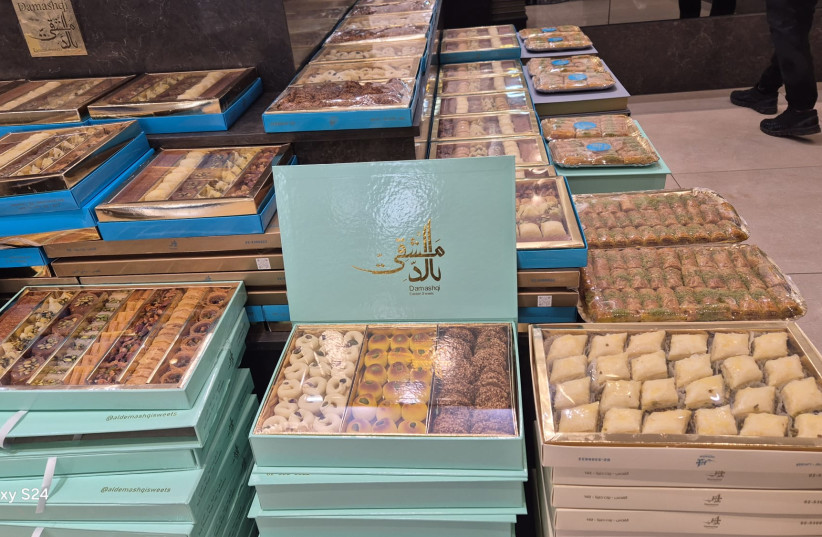
Evolving dessert preferences are also apparent at Demashqi, known for its knafeh and oriental sweets. Alongside these traditional products, the Beit Hanina branch offers French and European-style cakes, pastries, tarts, and modern desserts.
Raed Hijazi, who oversees the branch, said the selection had been adjusted to accommodate customers’ changing tastes while keeping classic desserts that are part of Arab culture.
He said preferences vary according to age and personal taste, with some continuing to prefer traditional Arab sweets while others opt for newer items.
“When families come in, usually later in the day, parents often choose the classic baklava and knafeh sweets while their children are more likely to ask for Nutella crepes and waffles,” Hijazi said.■