Live Updates: Replacing Netanyahu top priority for Eisenkot-led bloc, Bennett floats rotation deal with Netanyahu
Likud bill barring MKs who refuse Hamas terror recognition advances as Eisenkot bloc boycotts vote • Bennett, Netanyahu meet for 'security briefing' in Knesset amid talks on unity government
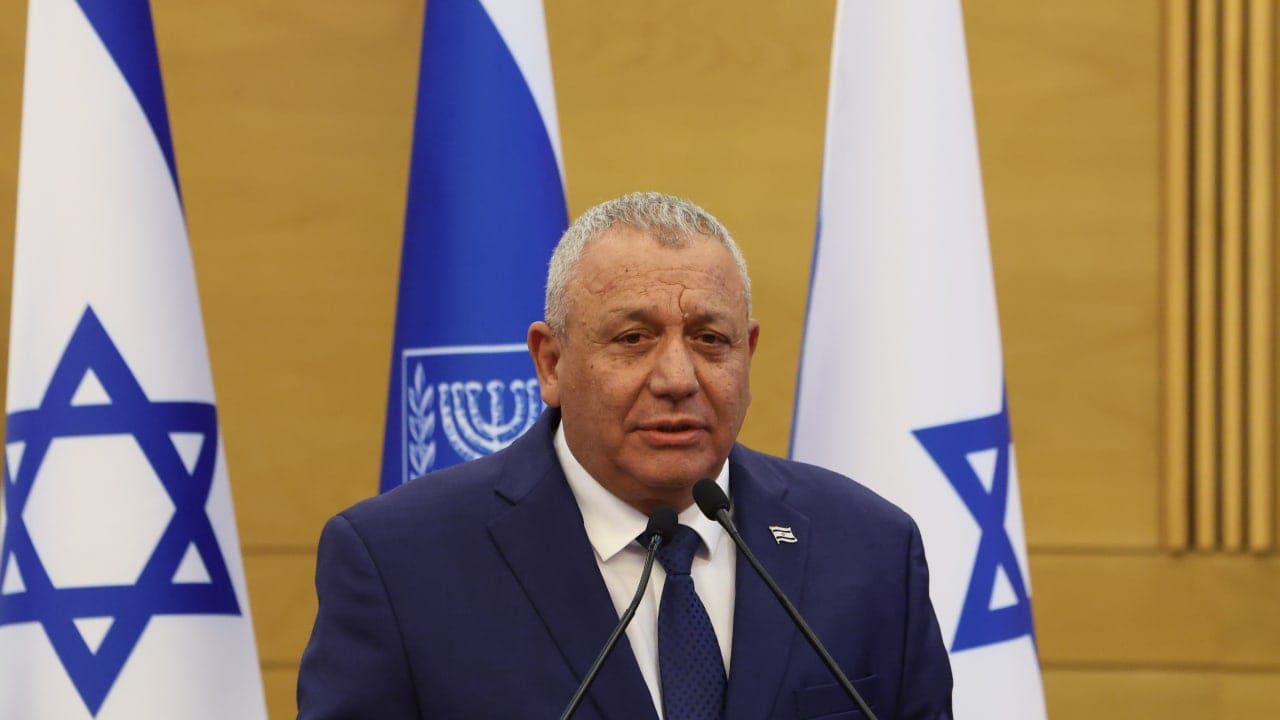
Follow us on GoogleYashar leader Gadi Eisenkot in the Knesset, November 17, 2026; illustrative.(photo credit: MARC ISRAEL SELLEM/THE JERUSALEM POST)
Likud bill barring MKs who refuse Hamas terror recognition advances as Eisenkot bloc boycotts vote
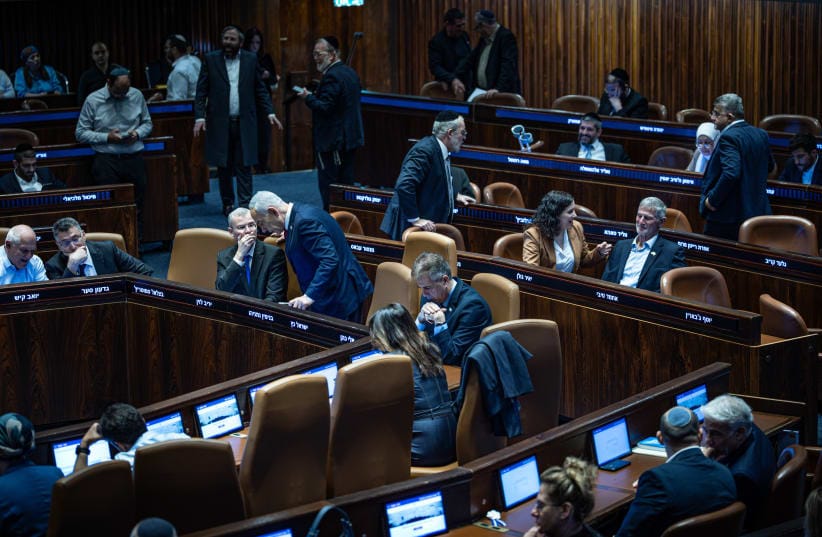
A Likud bill to strip parliamentary rights from MKs refusing to recognize Hamas as a terrorist organization passed 48-0 as Eisenkot's bloc boycotted the vote.
ByKESHET NEEVA plenum session at the Knesset, the Israeli parliament in Jerusalem, November 18, 2026.(photo credit: YONATAN SINDEL/FLASH90)Go to the full article > >
Bennett, Netanyahu meet for 'security briefing' in Knesset amid talks on unity government
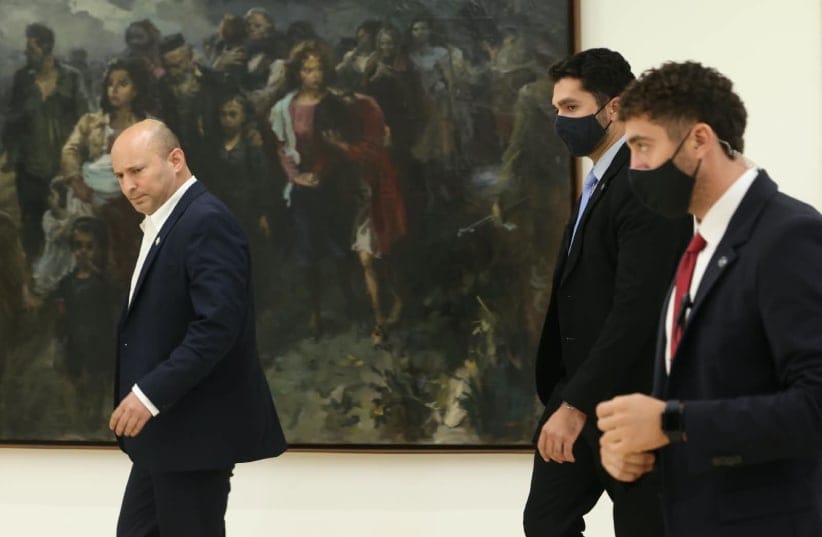
Eisenkot was unaware of the meeting between the PM and B'Yachad leader, which lasted nearly three hours and delayed a planned meeting between Bennett and party heads in the bloc.
ByKESHET NEEVB’Yachad party leader Naftali Bennett leaving Prime Minister Benjamin Netanyahu's office after nearly three-hour meeting, November 18, 2026.(photo credit: MARC ISRAEL SELLEM)Go to the full article > >
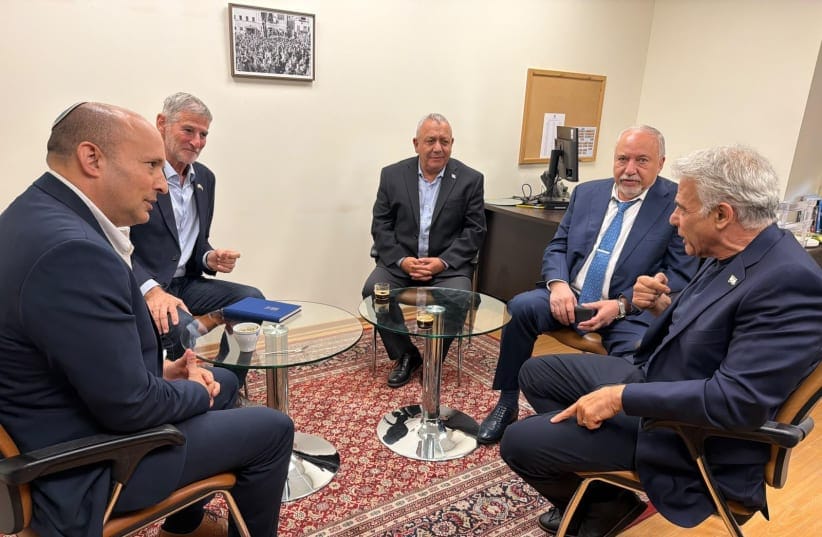
Replacing Netanyahu is 'top priority,' Eisenkot-led bloc declares after leaders' meeting in Knesset
Democrats' Golan: Bennett, Netanyahu meeting involved a 'sensitive conversation' • Sources close to Bennett insist the B'Yachad leader 'will not sit in a Netanyahu-led government'
The final voter turnout was 77.7% when polls closed at 10:00 p.m., according to the Central Elections Committee (CEC), up 7.1% from the 2022 election.
Likud remains the largest party: Netanyahu's Likud won 27 seats, followed by Eisenkot's Yashar with 21 and Naftali Bennett's B'Yachad with 12.
Netanyahu's bloc leads, but falls short of a majority: Prime Minister Benjamin Netanyahu's bloc holds 53 seats in the 120-member Knesset, while the opposition bloc led by Gadi Eisenkot won 48 seats.
Arab parties hold 19 seats: The Joint List and Ra'am secured a combined 19 seats, giving them a potentially decisive role in efforts to form the next government.
What happens next? President Isaac Herzog has awarded the mandate to Eisenkot, presenting him with the task of forming the next government. Eisenkot will initially have 28 days, with a possible 14-day extension, to form a coalition.
Could Israel face another election? If no candidate succeeds in forming a government through the prescribed process, the political deadlock could ultimately lead to another election.