Live Updates: Liberman vows to open Oct. 7 commission of inquiry, leaders fear Bennett may push for new elections
Shin Bet asked for more evidence in foreign funding probe • Netanyahu warns haredi parties against joining Eisenkot bloc • Eisenkot backs Elisaf Peretz, condemns 'racist anti-Arab campaign'
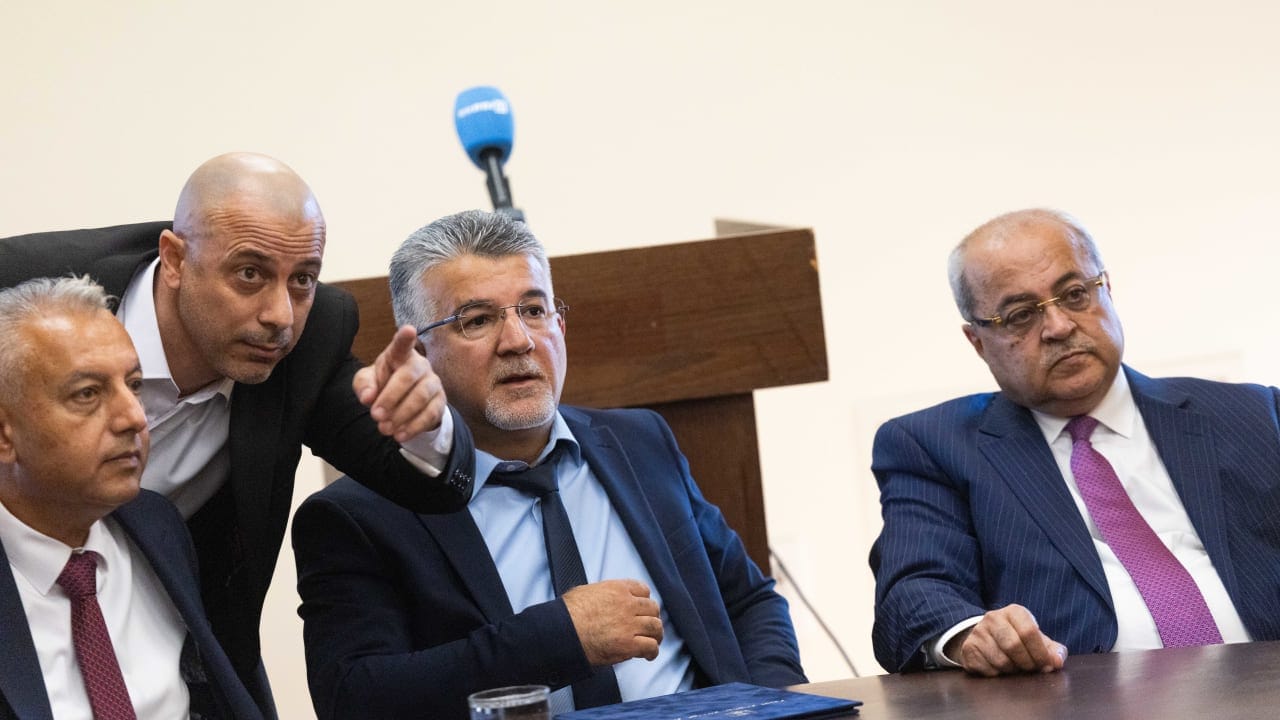
Follow us on GoogleJoint List leader Yousef Jabareen and faction chairman Ahmad Tibi attend a faction meeting at the Knesset, the Israeli parliament in Jerusalem, November 10, 2026. (photo credit: YONATAN SINDEL/FLASH90)
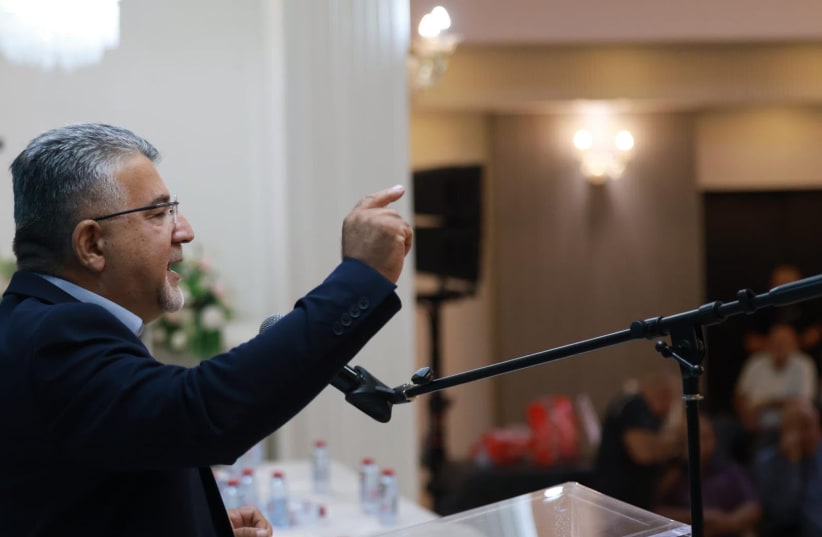
Liberman pledges to establish commission of inquiry into October 7 massacre
Knesset power struggle: Will Eisenkot's bloc control the agenda?
The opposition holds a majority in the new Knesset and plans a vote to replace the speaker. Netanyahu’s unity calls show a worried leader, says Keshet Neev.
Eisenkot bloc leaders fear Bennett may prefer new elections over partnering with haredi parties
Negotiations to establish an Eisenkot bloc government continue to expose disagreements among the potential coalition partners, with questions now emerging about Bennett's position.
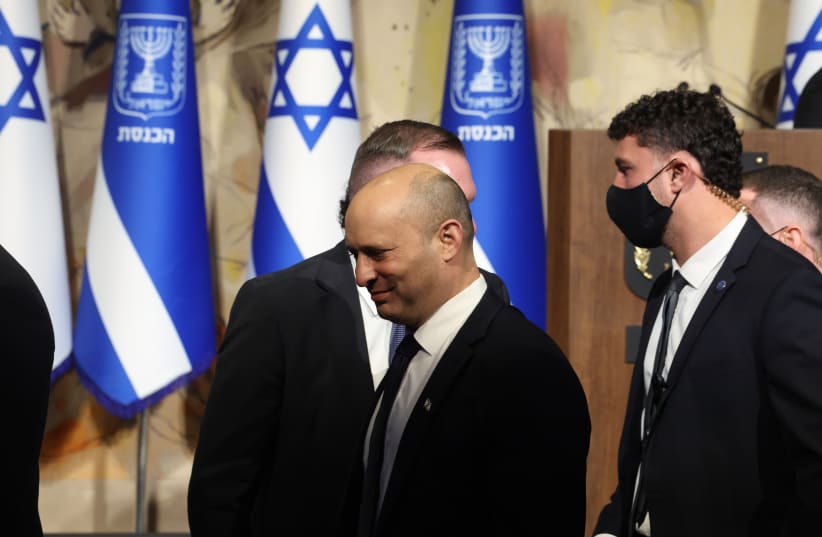
ByANNA BARSKYB'Yachad head MK Naftali Bennett seen at the Knesset, in Jerusalem, November 10, 2026(photo credit: MARC ISRAEL SELLEM/THE JERUSALEM POST)Go to the full article > >
Tibi reveals Netanyahu tried to convince Joint List not to join Eisenkot bloc
Eisenkot backs Elisaf Peretz amid coalition row as he calls out 'racist anti-Arab campaign'
Eisenkot backed MK Elisaf Peretz amid tensions over Arab party involvement in a future coalition, condemning threats against Yashar MKs and their families.
Israel's coalition game: Netanyahu, Eisenkot play political bluff - who will blink first?
NATIONAL AFFAIRS: Netanyahu talks unity, Liberman talks haredi compromise, and Eisenkot needs partners, but no coalition is real until someone says what they will give up.
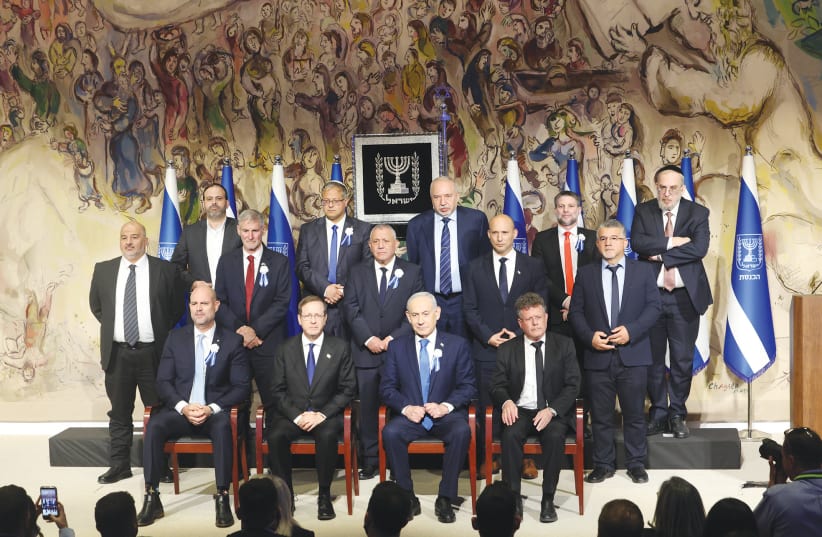
ByHERB KEINONIsrael's political leaders gather for the traditional group photograph at the swearing-in of the 26th Knesset on Tuesday. The success of coalition negotiations will ultimately depend on what each leader is prepared to concede to form a government, the writer argues. (photo credit: MARC ISRAEL SELLEM/THE JERUSALEM POST)Go to the full article > >
Police: Shin Bet must provide more evidence before investigation into foreign funding of elections
According to the assessment, the existing findings suggest, at most, a possible minor violation of party financing laws, raising doubts about the justification for a full criminal investigation.
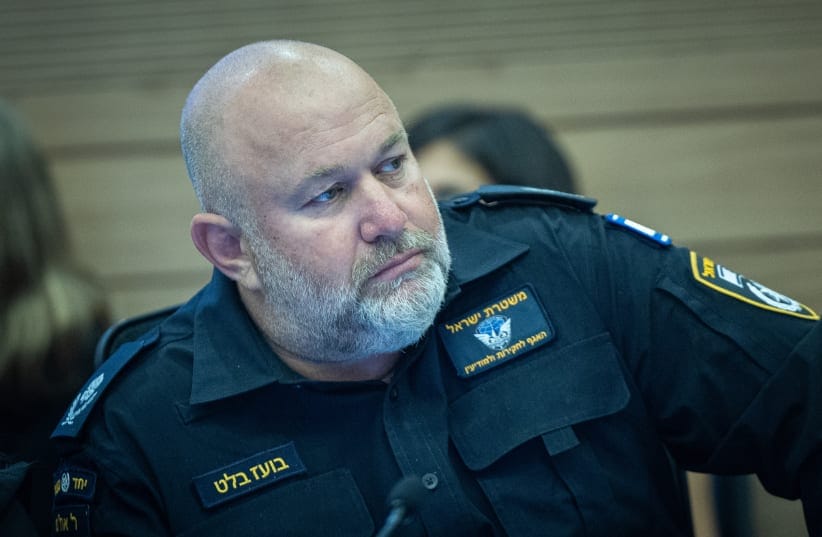
ByALON HACHMONBoaz Balat, head of the Israel Police's Investigations Department attends a Constitution, Law and Justice Committee meeting at the Knesset, in the Israeli parliament on April 27, 2025.(photo credit: YONATAN SINDEL/FLASH90)Go to the full article > >
Liberman says upcoming role as defense panel chair will be first step in stable government
'They will use you and throw you away': Netanyahu warns haredi parties away from Eisenkot-led bloc
According to a source familiar with the negotiations, Netanyahu is personally speaking with rabbis, sending emissaries to the haredi leadership, and attempting to reach rabbis outside senior leaders.
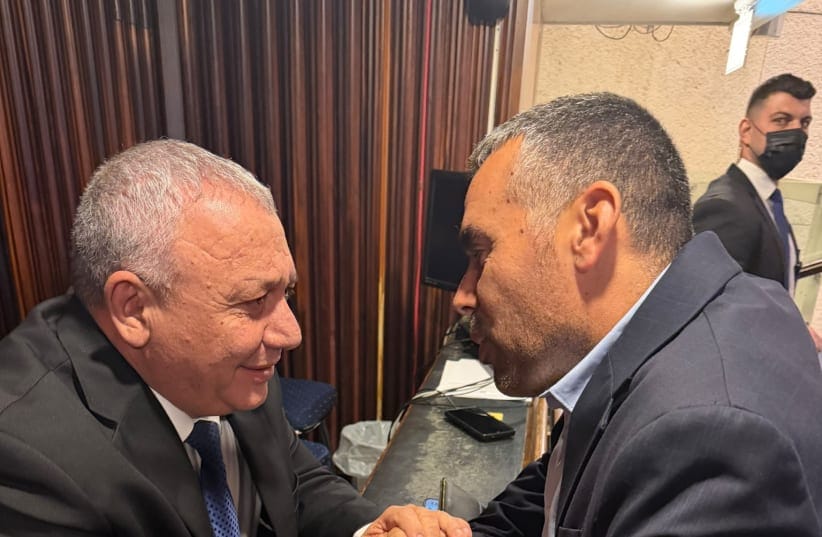
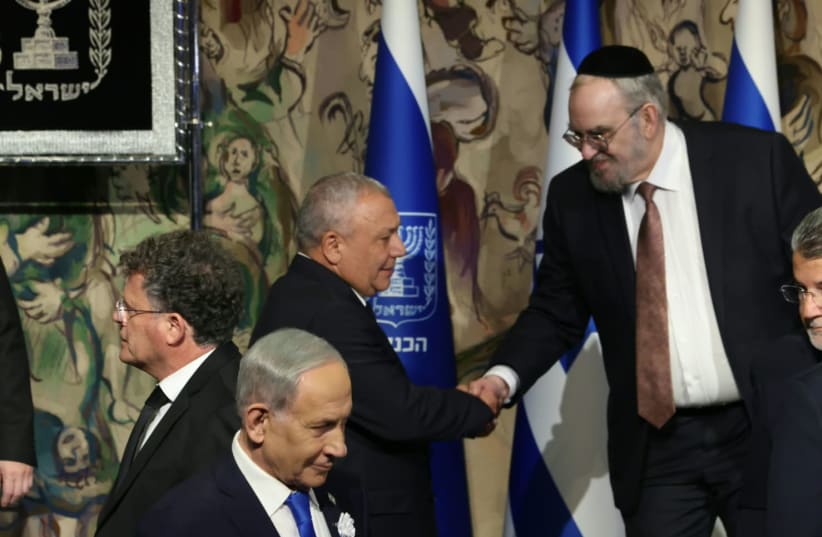
ByANNA BARSKYYashar head Gadi Eisenkot and UTJ head Yakov Asher shake hands as party leaders pose for a group picture in the Knesset, in Jerusalem, November 10, 2026(photo credit: MARC ISRAEL SELLEM/THE JERUSALEM POST)Go to the full article > >Israel votes 2026: All you need to know
The final voter turnout was 77.7% when polls closed at 10:00 p.m., according to the Central Elections Committee (CEC), up 7.1% from the 2022 election.
Likud remains the largest party: Netanyahu's Likud won 27 seats, followed by Eisenkot's Yashar with 21 and Naftali Bennett's B'Yachad with 12.
Netanyahu's bloc leads, but falls short of a majority: Prime Minister Benjamin Netanyahu's bloc holds 53 seats in the 120-member Knesset, while the opposition bloc led by Gadi Eisenkot won 48 seats.
Arab parties hold 19 seats: The Joint List and Ra'am secured a combined 19 seats, giving them a potentially decisive role in efforts to form the next government.
What happens next? President Isaac Herzog has awarded the mandate to Eisenkot, presenting him with the task of forming the next government. Eisenkot will initially have 28 days, with a possible 14-day extension, to form a coalition.
Could Israel face another election? If no candidate succeeds in forming a government through the prescribed process, the political deadlock could ultimately lead to another election.