
‘If Winter comes, can Spring be far behind?” asked poet Percy Bysshe Shelley.
We have survived the winter, the cold gray skies, the rain (which we prayed for, which Israel needs) – and the terrorist attacks that seem to be never-ending.
But now, the air is softening. It is almost light outside when we arise these days, and we don’t need such bulky clothing. Early morning sees joggers and walkers before the workday traffic takes over.
In the gardens, there are signs of spring’s first tentative footsteps. You see the trees, whose branches so recently were silhouetted starkly against gray skies, putting on their new green lace. Almond and peach trees are already in blossom, their white petals like snowflakes.
Cyclamens and wild violets are shyly emerging between rocks in the Jerusalem Forest. Many gardens show lupines and hyacinths, freesias and phlox pushing blue and pink and purple noses through the soil.

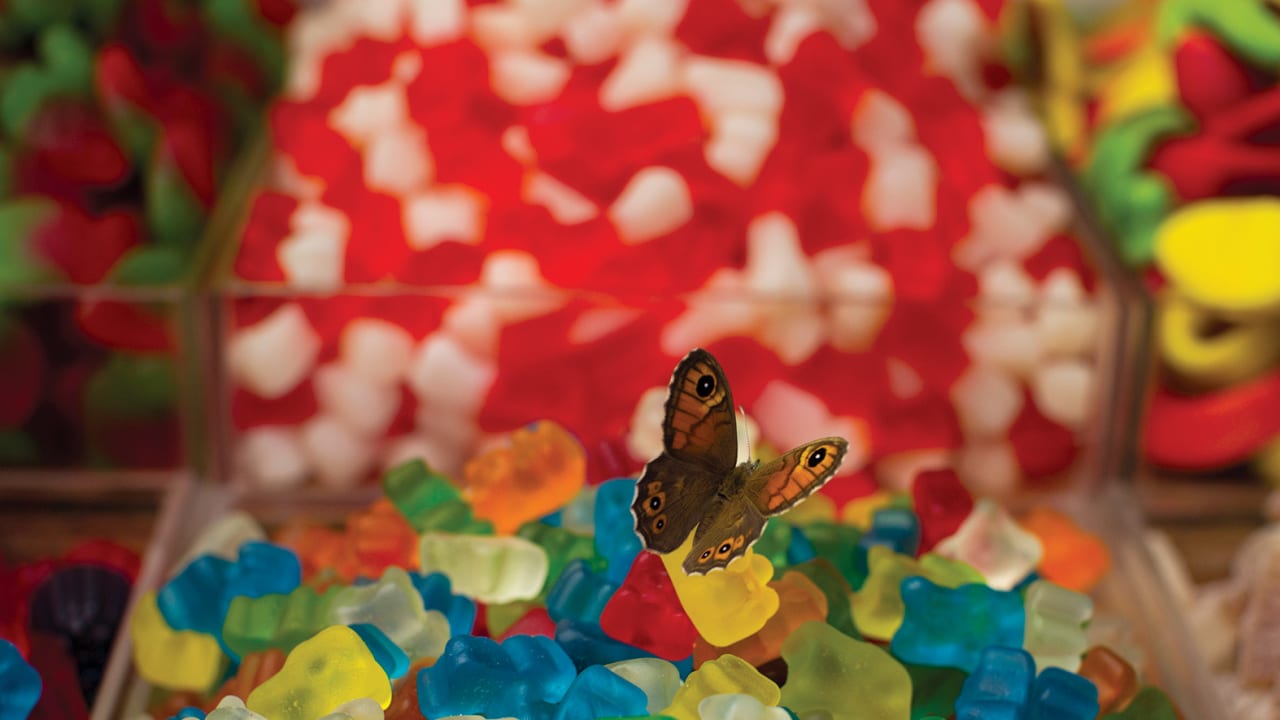
Today I saw a butterfly, and birds are nesting on a window ledge outside my study.
Nature continues its cycle in Jerusalem amid war
What a privilege to see the seasons change in Jerusalem. No matter how violent its history, how many enemies have lusted after and captured this city over the centuries, nature continues its imperturbable cycle of winter, spring, summer, and autumn.
Now is the season of renewal. Even many plants that looked brown and withered on my balcony garden have started to revive with some signs of new green leaves and a few tiny buds. I am happy that I didn’t discard them as dead but held on to them in case there was still life beneath the soil.
Like the plants, Jerusalemites are tough. In the last few years, we have undergone pain and grieving from terrorist attacks. Maybe some of us considered leaving. But truly loving this city and this land, we are resilient.
Our enemies will continue to try to destroy us, and we will hurt. But we also know that to leave would be an amputation, and, come spring, somewhere deep inside of us, there will also be rebirth and renewal and the stirring of the wellsprings of hope.
The writer is the author of 14 books. Contact her: dwaysman@gmail.com