As Operation Roaring Lion (Called by the Pentagon: Operation Epic Fury) unfolds, a profound cognitive gap has emerged between Western strategic thinking and the reality of the Islamic Republic of Iran.
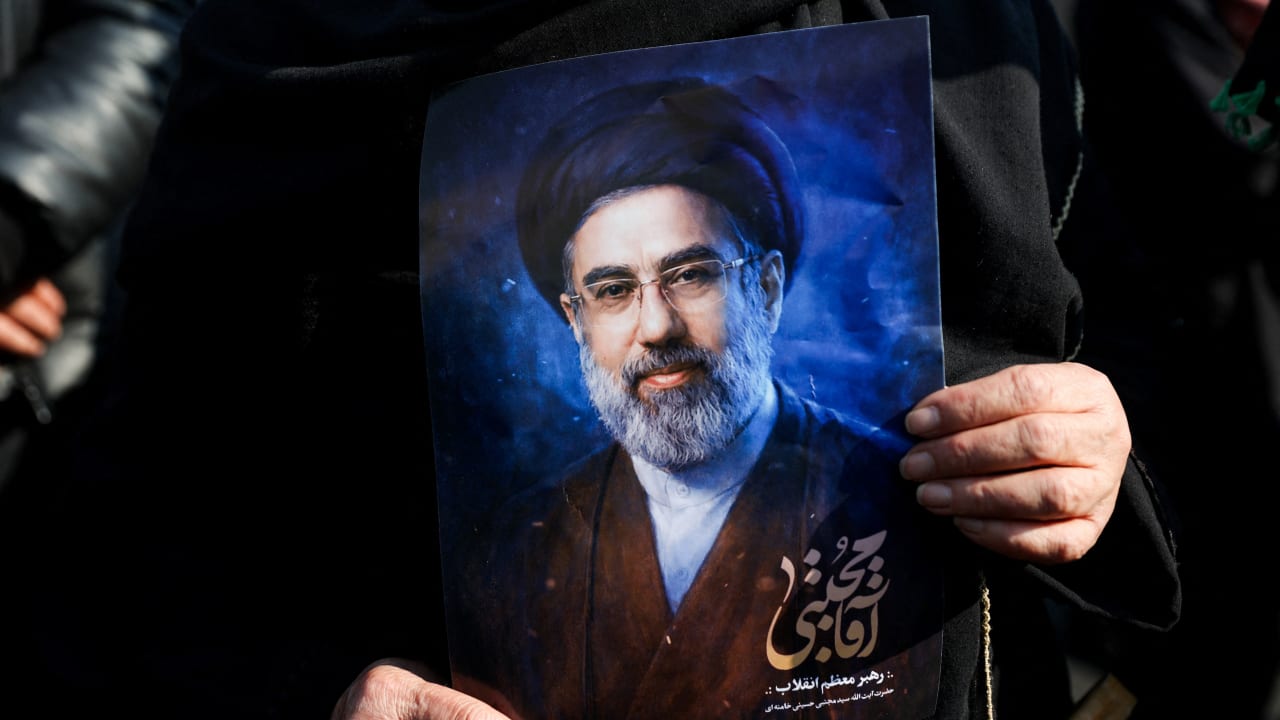
In Washington and Jerusalem, analysts interpret strikes on regime assets through the lens of traditional deterrence, searching for signs of an impending collapse. But in Tehran, the leadership – now centered around the newly selected Supreme Leader, Mojtaba Khamenei – is reading a completely different map.
The name Mojtaba (the Chosen One) is heavy with symbolism; it is the title of Hasan ibn Ali, the grandson of the Prophet Muhammad and the second Shi’ite Imam. To a Western observer, the current siege looks like a strategic failure. However, for the ideological core of the IRGC, this pressure is not a sign of defeat, but of Tamhis – a divine “sifting” or purification that signals the final battle of history.
The theology of chaos
Western experts are trained to view geopolitical conflict as a game of rational interests and economic stability. They track inflation and military attrition, waiting for the “breaking point.” Yet, Shi’ite eschatology teaches that the path to redemption is paved with Fitna – a state of absolute chaos and unbearable trials.
According to this doctrine, the appearance of the Hidden Imam, the Mahdi, is preceded by global upheaval. Within this chaos, the mechanism of Tamhis operates to separate the “True Believers” from the Munafiqun (hypocrites) and the weak. When the coalition or the IDF strikes at the regime, Tehran does not see “accumulated damage”; they see a “divine refining instrument.” The more intense the fire, the greater their theological certainty that the end of the old world order is at hand.

The state as a temporary vessel
The West’s primary failure is the assumption that the Iranian regime prioritizes physical survival above all else. Under the doctrine of Wilayat al-Faqih (Guardianship of the Jurist), the state is merely a tool for Tamhid – preparing the physical and spiritual ground for the Messiah’s arrival.
Unlike modern nation-states that value stability, the hardliners in Tehran view the country as a potential “Modern Karbala” (a Shi’ite symbol of redemptive sacrifice). In their view, total sacrifice on the battlefield leads to an eternal metaphysical victory. If the state must be dismantled to usher in the new world, it is not a deterrent – it is a requirement.
‘Taqiyya’: The strategy of silence
Western intelligence often misinterprets Iranian restraint as “deterrence.” This overlooks the concept of Taqiyya (strategic dissimulation). Taqiyya is not a sign of weakness; it is a tactical weapon of deception. It allows the regime to exercise flexibility or even a feigned retreat to preserve core capabilities for “Judgment Day.” Silence is often an offensive maneuver, designed to lure the enemy into a false sense of victory while the “believers” reorganize in secret.
‘Signs’ vs ‘interests’
While the West speaks of “deterrence” and “costs,” Tehran speaks of Alamat al-Zuhur – the Signs of the Appearance. They have dubbed this conflict “True Promise 4,” framing it not as a regional skirmish, but as the fulfillment of a divine decree.
In their eyes, the enemy is a representation of the Dajjal (the false messiah). Every escalation by the West only confirms their belief that they are approaching the peak of history. For those awaiting the Mahdi, the intensity of the fire is the ultimate proof that the dawn is near.
The writer is an expert on Iranian culture and religion and is a member of the Bama Tova organization.