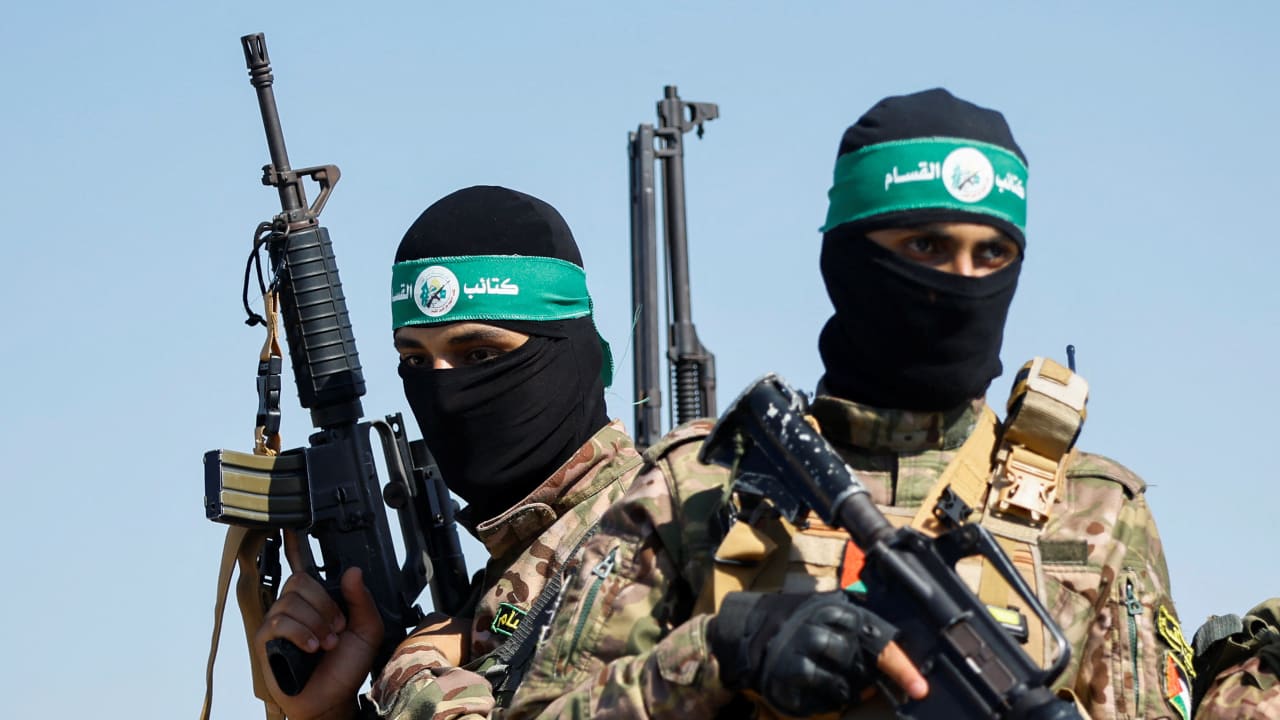
For decades, Hollywood has shaped the Western imagination of the fight against Islamic terrorism as a gripping saga of heroism, cunning intelligence, and decisive justice. From explosive blockbusters to gripping TV dramas, we’ve been fed a narrative of clear-cut villains who are caught, defeated, or destroyed in climactic battles. Even as films like Syriana, starring George Clooney in 2005, began to humanize terrorists and explore the murky moral ground, the audience’s craving for neat victories and satisfying endings remained largely unmet in real life.
The stark truth is that counterterrorism is nothing like the silver-screen fantasy. It’s a grinding, relentless struggle where the West, despite its drones, satellites, and precision weapons, continually finds itself outmaneuvered by an enemy that thrives on asymmetry, patience, and resilience.
This failure is not just about tactics or technology. It’s fundamentally a failure of understanding. For more than 20 years, Western governments have geared their efforts toward fighting a version of terrorism that exists mainly in cinema, a battle with tidy resolutions and obvious enemies.
Meanwhile, the terrorists wage a war of a different order, one rooted in ideas, endurance, and psychological warfare. The West pours billions into sensors, cyber surveillance, and predictive analytics yet is outflanked time and again by human couriers, cash payments, and a religious zeal that convinces militants they serve a cause far beyond themselves.
Political leaders boast about precision strikes, yet terrorists slip away, hiding in hospitals, mosques, and residential towers, fully aware that democratic societies hesitate to strike for fear of political backlash and public outrage. The West demands surgical solutions against foes who deliberately dissolve into civilian populations, counting on the moral and informational constraints that tie the hands of democratic governments. The enemy understands the Western conscience far better than the West understands its enemy.

A civiliazational conflict, not a criminal issue
The problem runs deeper. Western states continue to treat terrorism as a criminal problem, hoping for final victories, dramatic raids, and arrests that bring closure. But terrorism is not a street gang or a criminal cartel. It is a sprawling, fluid ideology amplified by social networks, foreign backers, charities, and a media environment that rewards extremism with visibility and global reach. This is a civilizational conflict. One side follows rules; the other exploits them with ruthlessness.
Western militaries, despite their overwhelming firepower, remain shackled by strategic caution, legal constraints, and the fear of diplomatic fallout. They deploy night-vision goggles and armored vehicles but pull back, leaving terrorists to roam through the gaps created by political hesitation.
The West talks about proportionality while terrorists embrace brutality. Intelligence agencies are bogged down by legal reviews and bureaucratic red tape; terrorists recruit teenagers hungry to die for their cause. The West seeks stability; terrorists thrive on chaos. Yet the West still fails to grasp the enemy’s real goal: not territorial conquest, but the psychological unraveling of society itself.
Antisemitism
The biggest blind spot of all is the West’s demand for emotional closure after every attack, certainty after every intelligence failure, and an end to the conflict on a timeline it can control.
Islamic terrorists need none of these. They bank on the West’s eventual fatigue, loss of nerve, and internal divisions. Their strategy is the slow corrosion of trust in government, the fraying of social bonds, and the erosion of confidence in institutions. The bomb is merely the spark; the real weapon is the political tremor it sets off, shaking the foundations of democratic societies.
In this complicated and brutal reality, another dangerous delusion festers – antisemitism. This is not just a side issue; it is a poisonous distraction that distorts reality and diverts attention from the true underlying dynamics.
Antisemitism casts Jewish people as scapegoats or secret puppet masters behind geopolitical struggles, a harmful myth that fuels division and hatred. This illusion weakens the West’s ability to confront genuine threats honestly and effectively. It clouds judgment, distracts from the root causes of conflict, and feeds the very chaos terrorists depend on.
Recognizing the real battlefield
Hollywood has trained us to expect triumph, heroic moments where good defeats evil. Islamic terrorism expects decay. It relies on the slow grind, the wearing down of a society’s will to resist. If Western leaders cling to diplomatic doublespeak and cinematic myths of control while terrorists speak plainly in the language of holy war, the enemy will continue to exploit every hesitation, illusion, and weakness.
The harsh truth is this: The West isn’t losing because it lacks firepower. It is losing because the West fights with precision; the enemy fights with conviction. The West looks for a final act; the enemy prepares for an endless struggle. The West believes technology will save it; the enemy relies on faith, persistence, and blending seamlessly into civilian populations. The movies gave the West a comforting myth of control, while terrorism lives in the reality that control was never the goal.
To turn the tide, we must first recognize the real battlefield – minds and societies. We must confront not only the terrorists but also the dangerous illusions, like antisemitism, clouding judgment and weakening resolve. Because until we do, the true cost of denial will be paid by a new generation still waiting for a war it won’t understand.
Dr. Michael J. Salamon is a psychologist specializing in trauma and abuse and director of ADC Psychological Services in Netanya and Hewlett, NY.
Louis Libin is an expert in military strategies, wireless innovation, emergency communications, and cybersecurity.