
On October 7, 2023, the State of Israel was torn apart. Terrorists murdered, abducted, and spread horror across the Gaza border and among innocent civilians.
Amid the immense and unimaginable pain of Israeli loss, dozens of foreign workers were also brutally murdered during the October 7 massacre; men and women who had come to Israel from Asia, Africa, and Latin America to support their families, assist farmers, care for senior citizens, and help build this country. They left behind children, grieving parents, and devastated communities across the world, still trying to comprehend how a journey for honest work ended in tragedy.
More than two years have passed, and yet the contribution and sacrifice of these workers have been pushed to the margins of Israel’s collective memory. While the country dedicates national ceremonies, memorials, and monuments to fallen soldiers, security forces, and civilian victims, the foreign workers killed in the same brutal attack still have no official place within the national landscape of remembrance. This is a historical and moral injustice, one that must be corrected.
According to official reports and organizations assisting the families of victims, 72 foreign workers have been murdered since the outbreak of the war. They came to Israel with trust, seeking to earn a living in dignity, and became victims of a war that was not theirs. They died on Israeli soil, and it is our responsibility to ensure that their names and stories are not forgotten.
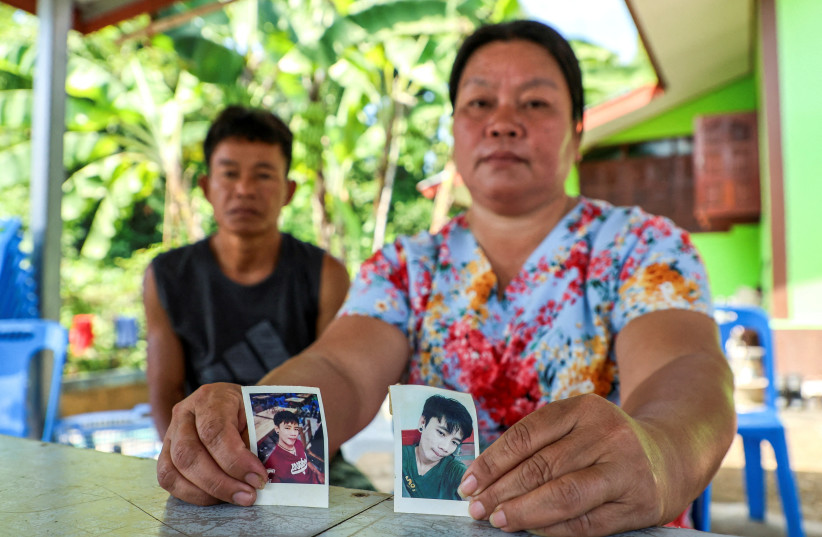
Foreign workers are an inseparable part of daily life in Israel. They work the fields, harvest produce, care for the elderly and the disabled, and support key sectors such as construction, hospitality, and essential services.
Israeli society relies on their contribution every day. Yet when tragedy struck, they became invisible. Many were murdered while working; some were killed as they tried to protect Israelis or sought shelter alongside them.
Creating a national memorial is a moral imperative, not only to commemorate their lives and their sacrifice, but to affirm to ourselves and to the world that Israeli remembrance does not distinguish between human lives based on nationality or origin. Such a memorial would provide a sacred space for their families when they visit Israel, a place for employers, friends, and citizens to express gratitude and respect.
Beyond that, it would send an important message to the international community: Israel does not forget those who came to work within its borders and were murdered in its darkest hour. It is a statement of humanity, responsibility, and moral clarity – messages Israel needs today more than ever.
Israel has a proud tradition of remembering, honoring, and correcting injustices that stem not from intention, but from neglect.
This is the moment to do just that; to build a memorial that will serve as a bridge of respect between Israel and the nations whose sons and daughters came here to contribute and never returned home.
To show that our memory is not selective, that it transcends borders, languages, and cultures.
It is time to say, clearly and simply: They were here with us, they contributed here, they fell here – and they deserve to be remembered here.
A memorial for the foreign workers murdered during the October 7, 2023 war is not merely a gesture; it is a moral, human, and national obligation.
The writer is a former Israeli ambassador, and currently serves as president of the Ambassadors’ Club of Israel.