Iran has finally admitted what Israeli intelligence and aircrews already knew: Five months after the June war with Israel, its fleet of about 20,000 centrifuges is in ruins, and uranium enrichment has stopped.
An Iranian official has publicly said there is currently no enrichment going on. In a place where everyone lies and spins, this is an amazing admission of strategic failure by Tehran. The damage is more than just skin-deep.
According to an analysis by The Jerusalem Post’s Yonah Jeremy Bob, Israel and the US destroyed Tehran’s nuclear facilities so completely, and left so much rubble on top of them, that the regime has basically given up on fixing its old infrastructure.
Iran is planning new, deeper facilities that will take years to build and cost billions of dollars. It won’t be able to dig up buried plants. Right now, its stock of 60%-enriched uranium is stuck on the shelf.
This is a real achievement for Israel and the West, even if it’s not loud. For a long time, the world said there was “no military solution” to Iran’s nuclear program. June’s Operation Rising Lion showed that a determined and coordinated effort could set the program back by a lot. But it would be a big mistake for Israel or its neighbors to think that this is the end of the threat from Iran.

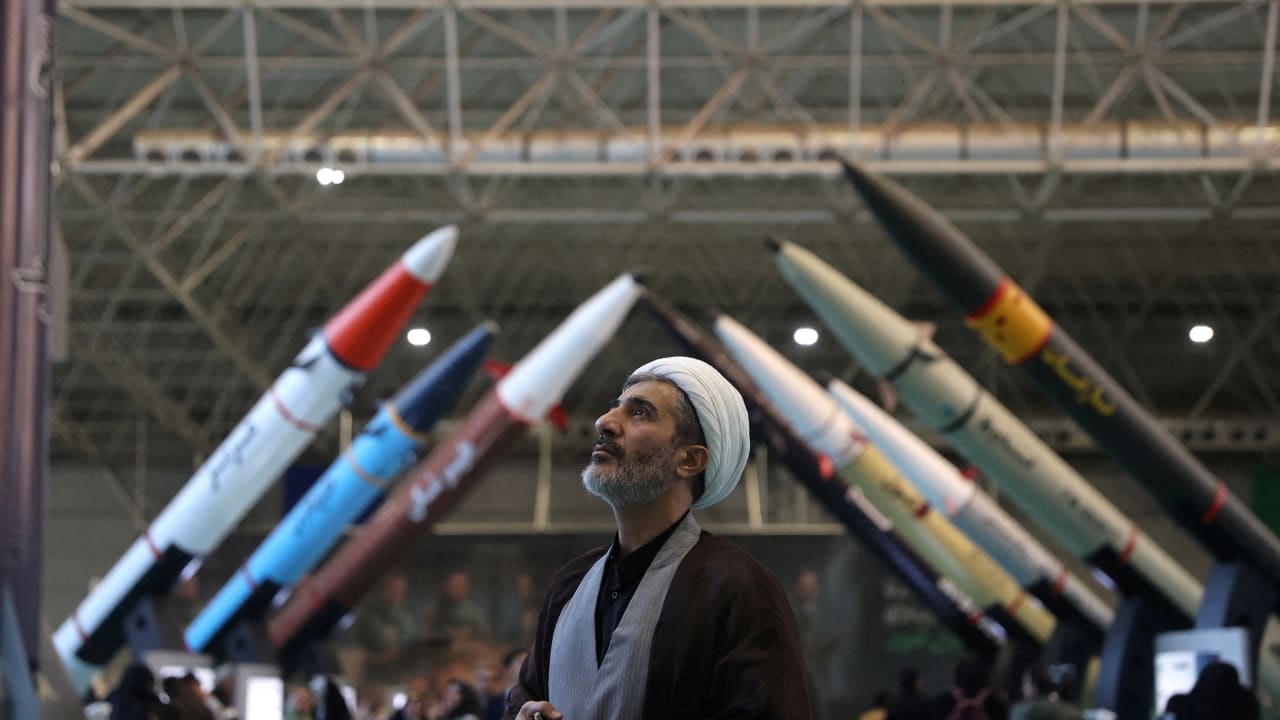
Bob’s analysis makes it clear that the nuclear issue may not be the most important threat right now. The main one is a stockpile of ballistic missiles that is growing quickly.
Before the June operation, Israeli intelligence thought Iran had about 2,500 ballistic missiles. If Jerusalem hadn’t done anything, that number was expected to more than double to 6,000 by 2026 and maybe even 10,000 by early 2028. They are just as much of a threat to Sunni Arab capitals and energy infrastructure across the Gulf as they are to Tel Aviv and Haifa.
Since June, Iranian Supreme Leader Ayatollah Ali Khamenei seems to have come to the conclusion that he can’t beat Israel in a direct confrontation. He is now focusing on competing with Sunni Arab states for power in the region. At the same time, he is rebuilding the missile and radar systems that Israel destroyed, but this time without the protection of an active nuclear program.
Next steps to be taken against Iran
In practice, this means a few things. Israel, the Gulf states, Egypt, and Jordan should first move from coordinating their air- and missile-defense systems on an ad-hoc basis to a fully integrated system. This would include shared early warning, joint radar coverage, and clear rules for how to respond to mass launches.
Second, they should share more information about Iranian production sites, supply routes, and testing activities – and consider an attack on one as a warning to all.
Third, they should come up with a common diplomatic message that makes it clear to Tehran that any large-scale missile attack on one capital will be seen as an attack on the whole region.
The places that are most threatened by Iranian missiles are those that are closest to it, such as Riyadh, Abu Dhabi, Manama, Cairo, Amman, and Jerusalem. They have to be the ones to say that the time of separate, bilateral agreements is over, and that a regional security community is forming to deal with a clear and present danger.
Today, Khamenei seems to be more motivated by hurt pride and a desire for revenge after the humiliation in June and the loss of many of his closest advisers than by rational cost-benefit calculations. When leaders in the Middle East fight “honor” in wars they can’t win, history shows what can happen.
In 1973, Egypt and Syria did not beat Israel, but they did cause a lot of damage on all sides before they were pushed back. A future mass missile exchange with Iran would make those deaths seem small by comparison.
The lesson from Iran’s nuclear failure is not that the threat is gone. Firm action, clear redlines, and support from other countries in the region can all affect Tehran’s decisions.
The same Iranian missile threat now faces both Israel and the Sunni Arab states. The sooner they act like it, the better chance they have of stopping the next war, which would be much worse.