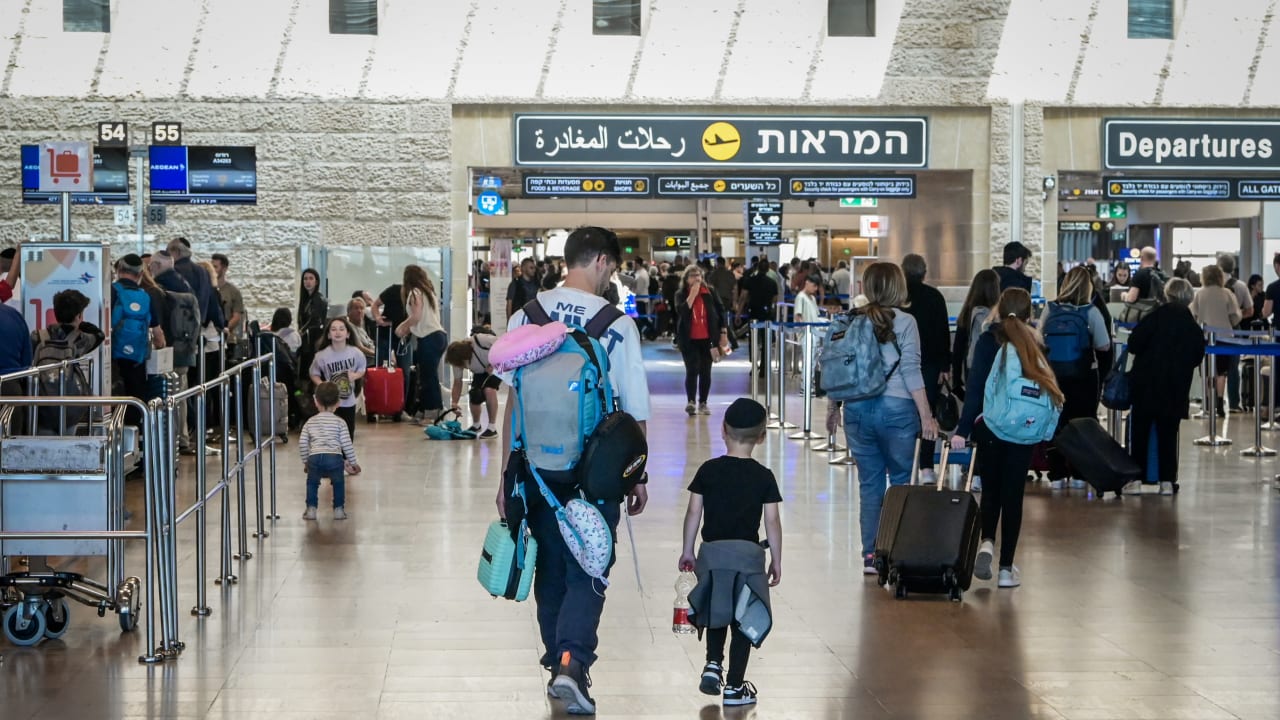
Israel is confronting a migration shock that goes beyond statistics, with a record surge in departures alongside a slowdown in aliyah, and the trend carries strategic, economic, and moral consequences the country can no longer ignore. It is a test of our social contract today.
Recent briefings to the Knesset have described tens of thousands of citizens spending long periods abroad, fewer returnees, and immigration totals easing after the post-Ukraine spike. A senior lawmaker captured the mood with a stark phrase, calling it “a tsunami of Israelis choosing to leave.” The words stuck because they match what many of us hear every day.
Why now? Start with trauma. The October 7 massacre and a grinding war in Gaza, together with unrelenting alerts along the northern border, have shaken the sense of personal security that keeps families rooted. Add domestic polarization, fatigue with politics, and a cost of living that still pinches paychecks and mortgages. Even those who never imagined leaving are asking hard questions about stability, fairness, and the future they can promise their children.
The economic picture is mixed. Israel remains a technological powerhouse, but talent is mobile. The Israel Innovation Authority has warned of an outflow of hi-tech workers on extended relocations and urged the government to “stabilize the business environment” and improve incentives for returnees. When young households conclude that prospects are similar abroad and the risks feel lower, the nation-building equation tilts away from home.

Israel faces record wave of emigration
At the same time, the pull of aliyah has softened from its wartime peak. The Aliyah and Integration Ministry insists that immigration “symbolizes the deep attachment of the Jewish people to their country,” and in many cases, that remains true. Yet the totals do not outweigh the outflow, and the mix has shifted, with arrivals from Russian-speaking countries dropping while Western aliyah inches up. Demographers warn that relying on one region for immigration is a vulnerability, not a policy.
From a Torah perspective, the moment carries profound resonance. The Land of Israel is not just territory; it is covenantal. “The land is Mine, for you are strangers and sojourners with Me” (Leviticus 25:23). Jewish identity has long turned on exile and return. When large numbers choose exit over invest, the risk is not only demographic. It is spiritual. It weakens the return story and frays the covenantal voice that binds people to place.
Leaving is not betrayal. Israelis abroad contribute with identity, philanthropy, advocacy, and networks. They do not stop being part of our story. But the pattern now is different. The young, mobile, educated Israelis who anchor innovation, defense, education, and culture are leaving in higher numbers. The loss is material and symbolic. It hollows the middle of the society that must carry us through recovery and reform.
What must change? First, governance. Restore credibility and equal enforcement, and treat citizens as partners. Second, broad-based economic openness. Build affordable housing at scale, reward work and productivity, and ensure fair competition. Third, national service and social solidarity. A renewed covenant of contribution that is shared and seen will do more than slogans. Fourth, spiritual anchoring. Israel must speak to the soul as a home we choose because the covenant has claims on us.
Policy tools exist. The Knesset committee that sounded the alarm should move from hearings to a plan that brings Israelis back. The cabinet can prioritize returnees with clear tax rules, streamlined licensing, and grants tied to long-term residence. The Aliyah and Integration Ministry can pair Diaspora recruitment with serious support for returning residents who uproot to come home.
As Hosea urges, “Return, O Israel, to the Lord your God, for you have stumbled in your iniquity” (Hosea 14:1). Return, as long as we are away. But many never made the journey home. The question now is urgent. What does it mean to stay? Not only to reside, but to belong. Not only to function, but to flourish.
The emigration surge is a symptom and a warning of social fracture, demographic vulnerability, and spiritual drift. If Israel is to be the flourishing, bold, creative nation we aspire to be, we must answer with more than patches. Rekindle conviction. Make staying make sense. Let the next chapter be recommitment, a wave not of leaving but of returning, in spirit and in body, and staying.