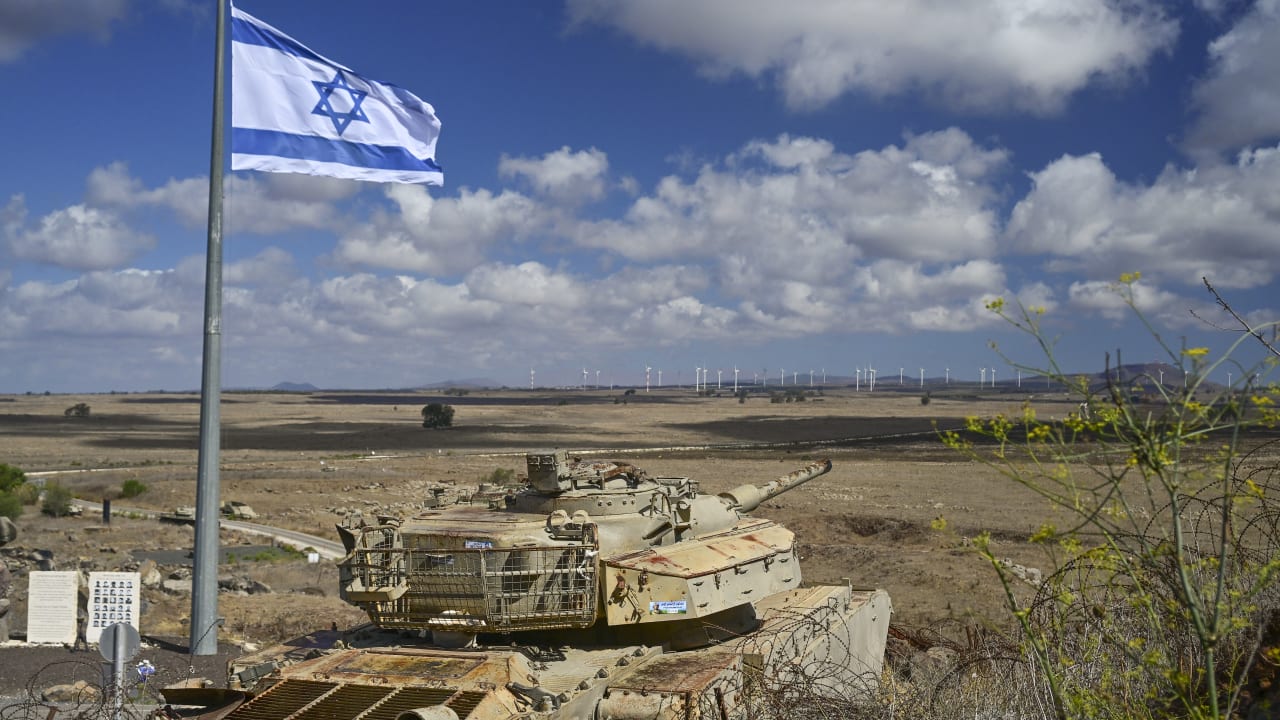
My son was in Gaza.
The roads in Tel Aviv were quiet.
Not just quiet, still. No cars. No horns. A city suspended. Bicycles rolled down highways, families strolling in the middle of the road. Even those who keep nothing else keep this. Not because it is enforced, but because on this day everything breathes differently.
Inside, the synagogue filled. People came and went, some for twenty minutes, turning off their phones, bringing their children so they would know what it means to sit in the stillness of Yom Kippur. Others stayed the day. All of us joined in the same silence, the same songs.
But he was with me every moment of the day. When I bowed, he bowed with me. When I whispered, he was the breath within my breath.
In the Neilah, the last prayer of the day, the rabbi’s voice shook when he said the words Avinu Malkeinu… For those who were killed for Your sake. He could not finish. For the hostages. For the soldiers. He paused, close to tears, as we stood holding our brokenness, yet refusing to leave.

Answering the call
The synagogue was packed. Some arrived from the streets at the very end, just to stand there for the final cry of Shema Yisrael, to feel what it means to belong to this people. They were answering a call they could not name.
And while I stood in synagogue, my wife, my daughter, and a daughter-in-law prayed at another gathering, open to all, facing the sea. Yom Kippur is not one place. It is synagogue and sea, streets and silence, private prayers and public songs. This year all prayed on broken ground.
What does it mean to stand there in white? To be asked to open the Ark for Shema Kolenu, “listen to our prayers.” To stand there with the scrolls in front of me and the congregation behind me, their prayers pressing on my back as I whispered for life, for mercy, for strength to hold on?
What does it mean to stand with your granddaughters, to pray and to play with them on the synagogue floor? To know that another generation is already here, watching, carrying, inheriting?
What does it mean to gather your sons under a tallit for the priestly blessing, to feel the words fall over them like shelter, like continuity, like hope?
And what does it mean to end with the songs, Acheinu Kol Beit Yisrael, all Israel are brothers, and then Hatikvah? Not rehearsed. Not planned. A roar from the people, rising from the floorboards, rising from the streets outside, rising from history itself.
It means that in this time faith is carried on broken ground. With sons in battle and scrolls held open. With children on the synagogue floor and those entering for the last cry. With voices that shake and still call Shema. With blessings spoken over our sons, with Hatikvah rising like defiance. Faith is not certainty. Faith is courage. To open, to bless, to sing. To remain. Even now. Even here. On broken ground.