Israel’s declining international standing is no longer an abstract concern; it is evident almost daily. In the past weeks alone, Israel’s cycling team faced protests during a race in Spain, several chess players were forced to withdraw from a tournament after being denied the right to play under the Israeli flag, and European countries threatened to boycott the 2026 Eurovision Song Contest if Israel participates.
Antisemitic incidents and anti-Israel demonstrations have become a grim routine. Even more alarming are political moves, such as the European Union’s sanctions and threat to remove Israel from the prestigious Horizon research program, and Canada’s recent warning about severing ties with Israel. This steady drumbeat of diplomatic and cultural isolation serves as a wake-up call.
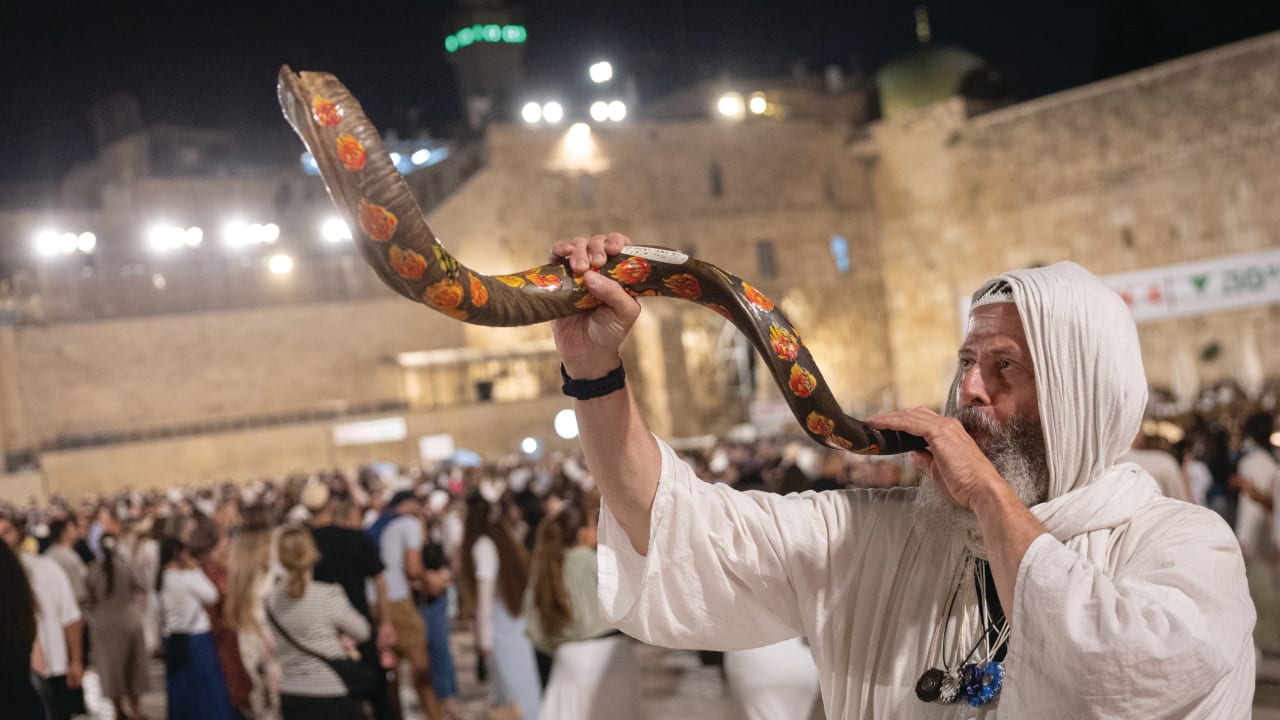
The High Holy Days, with their timeless messages of renewal and soul-searching, can guide us by reminding us of who we are, our role in the world, and inspiring us to act with renewed energy to restore Israel’s reputation while continuing our work toward tikkun olam (repairing the world).
Rosh Hashanah, according to Jewish tradition, marks the creation of humankind. This choice reminds us of the inherent dignity of every person and our responsibility toward all humanity. As Genesis 1:27 teaches, “And God created man in His image.” This obligates us to see every human being as a divine creation and to care for their well-being.
The first mission given to humankind, “to work and to guard it” (Genesis 2:15), commands us to take responsibility for the world, actively creating our own Garden of Eden through stewardship of nature and support for those in need.
![Tikkun Olam [Illustrative]](https://images.jpost.com/image/upload/f_auto,fl_lossy/c_fill,g_faces:center,h_537,w_822/438345)
From the earliest days of Zionism, leaders from Rabbi Abraham Isaac Kook to David Ben-Gurion envisioned Israel as a state that would fulfill Isaiah’s words: “I will make you a covenant for the people and a light unto the nations” (Isaiah 42:6). Israel’s mission was never to be just another nation-state, but a country that serves as a positive force, committed to repairing the world and supporting vulnerable populations.
The High Holy Days remind us that true success is measured not only by security or economic growth but by our ability to stay true to this mission, regardless of criticism, and take responsibility for a broken world.
One of Israel’s most powerful tools
Beyond this moral imperative, there is a practical dimension. A renewed national effort in international development is one of Israel’s most powerful tools to rebuild global trust, strengthen its international standing, and counter cultural, diplomatic, and economic isolation.
Israel can contribute innovative solutions to some of the world’s most urgent challenges: the worsening climate crisis and its impact on developing nations, emergency response and community resilience, advanced energy solutions, water management and conservation, improved access to healthcare, and fintech solutions for financial inclusion.
Through coordinated efforts by the government, the private sector, and civil society, Israel can bring its expertise where it is most needed, reconnect with its values, and rebuild its international reputation.
We must be realistic: development cooperation is not a silver bullet. It will not singlehandedly end criticism or stop boycotts and attacks against Israel. Yet it can open a critical crack in the wall of hostility; a doorway that can be widened and strengthened as part of a broader effort to restore Israel’s standing in the world.
This new year is a moment for national reflection: What kind of country do we want to be? One that is focused only on its own citizens, or one that reflects the highest values of Judaism – helping those in need worldwide, taking moral responsibility, and embracing global obligations?
The High Holy Days present an opportunity to renew Israel’s commitment to international development as a tangible expression of Jewish values of generosity and tikkun olam. By doing so, we can transform today’s international crisis into a catalyst for strengthening Israel’s place among the nations.
The writer is the CEO of SID Israel (the Society for International Development), the umbrella organization of Israel’s professional community in humanitarian aid and international development.