Every day I switch on the news, and every day I become more alarmed. Not only by the rise of antisemitism across the globe, but also by the disturbing trend of Holocaust distortion spreading through social media and mainstream platforms.
It has become common, too common, for Jewish and non-Jewish groups alike to use Holocaust comparisons when speaking about present-day affairs. Protesters liken immigration policies to Nazi Germany. Politicians on the Left and Right accuse their opponents of acting like Hitler.
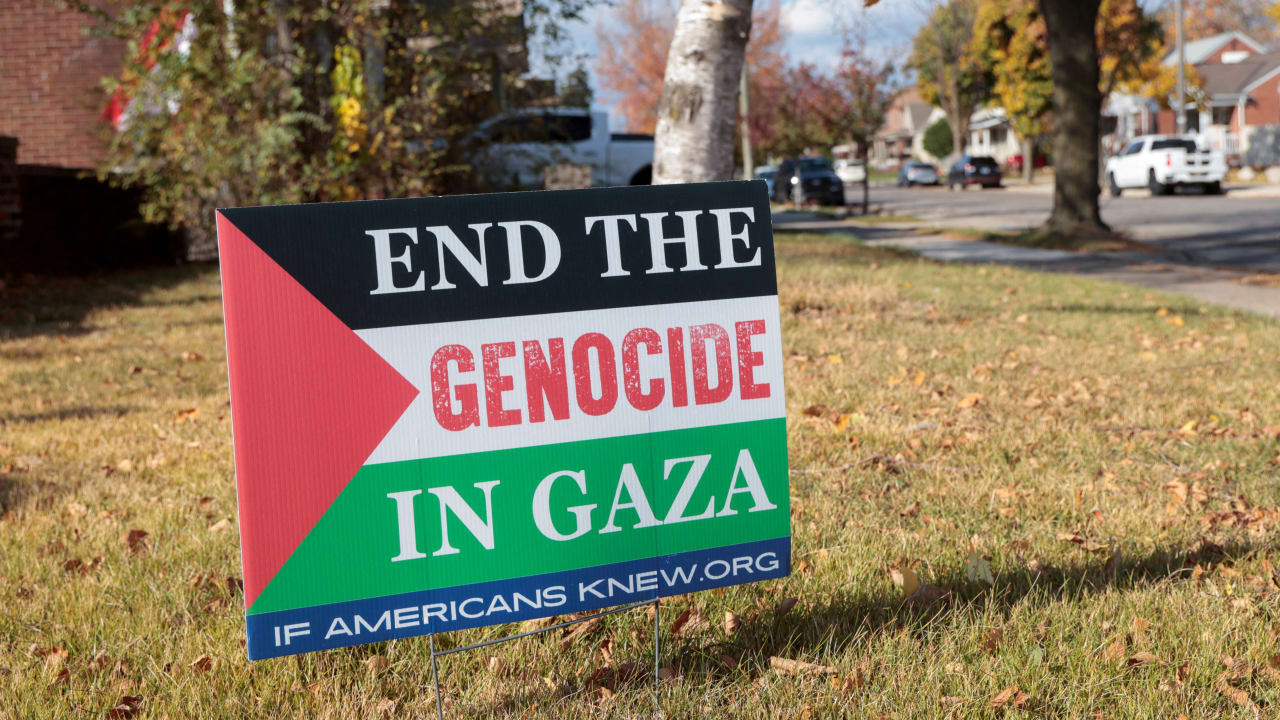
Commentators compare wars in Ukraine or the war against Hamas to the tragedy of the Holocaust. Even the unspeakable atrocity of October 7 has been equated to the Holocaust. Meanwhile, those in the anti-Israel propaganda camp go further still, weaponizing Holocaust memory to claim that Israel itself is perpetrating one.
Holocaust memory
For the past seven years, Holocaust education has become my focus and now my job, and my greatest concern has been the question: What happens to Holocaust memory once the survivors are gone? How will the next generation, without living witnesses, understand what happened not just as “history,” but as the most devastating historical event humanity and the world have ever known?
Holocaust education was never meant to be only for Jews; it was a world-impacting event, and we have to make sure the world knows what happened.

Yet, when we dilute the Holocaust by attaching it to today’s tragedies, no matter how painful or horrific, we strip away its uniqueness and we create a world where those who will never hear from survivors will think the Holocaust was similar to today’s conflicts.
We forget that 83 years ago, a state-sponsored ideology swept across an entire continent, mobilizing governments, armies, and ordinary citizens into the “Final Solution.”
The war was started by Nazi ideology, which crossed borders, traveled oceans, and even infiltrated religions. It was total, all-encompassing, and without precedent. It started with one group, but ended up seeing almost every minority as inferior; people were gassed to death simply because of how they were born.
Yes, antisemitism today is terrible. Yes, October 7 was devastating and must never be minimized, but we must not confuse the horrors of our time with the Holocaust. To do so not only dishonors the memory of the six million who were murdered but also weakens our ability to confront today’s challenges on their own terms.
Out of the ashes
Out of the ashes of the Holocaust, the Jewish community built a nation. They raised children and grandchildren with pride in their Jewish identity. They established a homeland that we fight for every single day not only with weapons, but with culture, innovation, education, and life.
Non-Jewish allies have also carried the responsibility of remembrance, ensuring that new generations honor the Righteous Among the Nations and those who resisted Nazism. Together, we have created organizations that foster peace, tolerance, and the dignity of human life.
The Holocaust was the darkest chapter in human history, and to honor its victims, we must preserve its uniqueness. Stop comparing it; remember it for what it truly was and let that memory give us the strength to face today’s battles without distorting yesterday’s truths.
So why is Holocaust education so important still today, and what can we still learn from it? Holocaust education matters today because it teaches us what extremism can lead to.
Need for action
It underscores the need for vigilance, empathy, and action. May we carry forward the courage of the righteous who risked everything to protect others, the resilience of survivors and the memory of the innocent lives that were taken.
I feel deeply privileged to share the importance of Holocaust education with Muslim groups across the Middle East, and it is through these acts of learning and sharing that we can build bridges of understanding and create a better future together.
The writer has spent the past seven years volunteering with Holocaust survivors and organizations dedicated to Holocaust education. She is manager of the Holocaust Education Program of Sharaka, a nonprofit, nongovernmental initiative based in Israel, Bahrain, Morocco and the greater region. She is a Reichman University and Argov fellow alumna. Instagram: @mymissiontoremember