The UN-affiliated Integrated Food Security Phase Classification (IPC) has published a report claiming “mass famine” in Gaza. The announcement made instant headlines worldwide. But behind the drama was a quiet, extraordinary shift in methodology. Instead of the accepted global standards for measuring malnutrition, the IPC downgraded its criteria, relying on mid-arm circumference instead of weight-to-height and lowering the threshold for acute malnutrition from 30% to just 15%.
These drastic changes appeared only in a footnote. However, the global media treat them as hard facts, blasting headlines that Israel is responsible for “starving Gaza.” Amnesty International has gone even further, accusing Israel of running a “deliberate starvation project.”
The real question is not about the numbers themselves but about perspective. Why does Gaza dominate the global stage while large-scale famines – such as the one unfolding right now in Sudan – barely register? The answer: political humanitarianism.
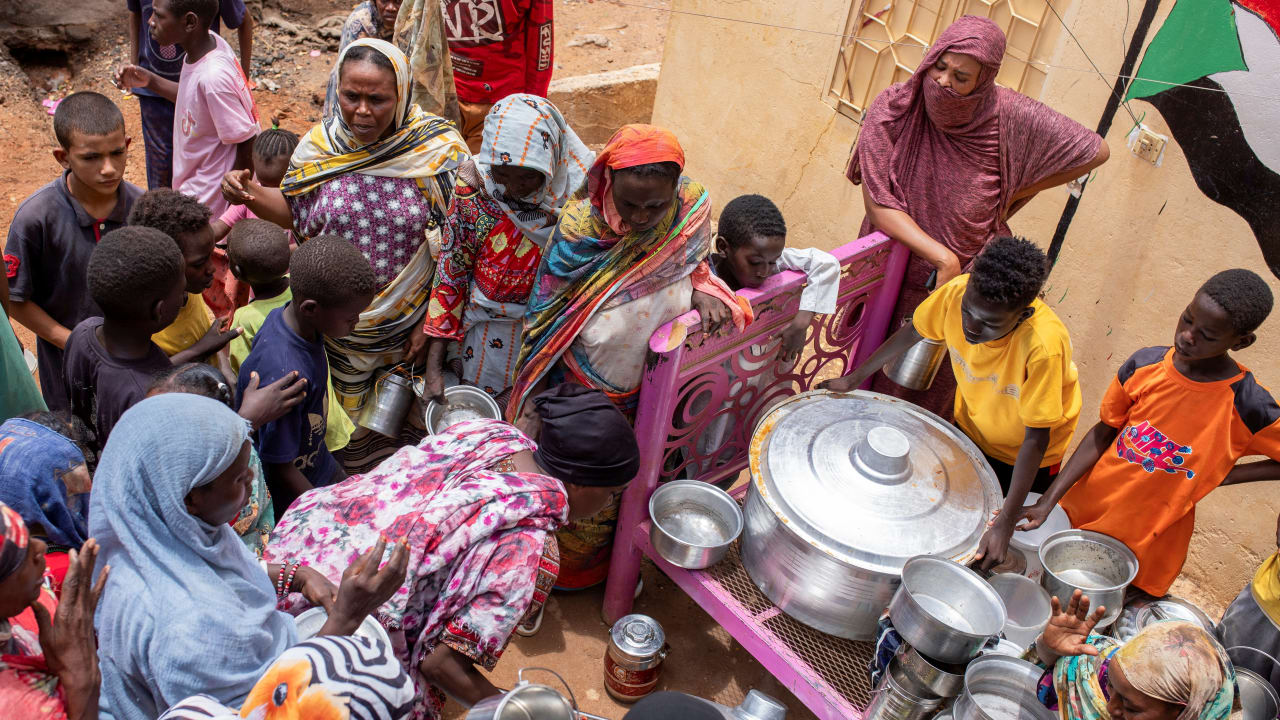
According to that very same IPC report, nearly 24 million Sudanese face food insecurity. Over eight million are in emergency conditions, and tens of thousands are already in famine. Unlike the disputed Gaza numbers, these are facts that no one contests. Yet, Sudan earns almost no front-page coverage, no mass demonstrations in Western capitals, and no urgent debates in the UN.
Why? Because Hamas has perfected the art of weaponizing human suffering. It blocks aid, manipulates data, and circulates shocking images, all to increase international pressure on Israel. Western media, predisposed to highlight Israel’s faults, plays along.

Sudan’s generals, by contrast, are not running a global PR campaign. There are no glossy NGO videos, no Hollywood stars hugging starving children, no UN resolutions on endless repeat. Most of all, there is no link to Israel or the Jews. The result: Mass death in Sudan remains invisible.
An institutional obsession
The double standard is hardly new. Between 2015 and 2022, the UN General Assembly passed 140 resolutions against Israel, more than double the number against all other nations combined. In 2022 alone, Israel was condemned 15 times; Russia, after invading Ukraine, only six. The UN Human Rights Council even maintains a permanent agenda item, Item 7, dedicated solely to Israel. No other country in the world is treated this way.
This obsession now extends to the famine narrative.
While 249 million people around the world are hungry – across Africa, Asia, and the Middle East – international headlines obsess over Gaza, even if it means bending research standards and parroting Hamas talking points. This is not humanitarian concern. This is politics.
The real tragedy
Of course, the hunger of even one child is a tragedy. But that is precisely why the world’s selective outrage is so outrageous. If the global community were truly motivated by humanitarian concern, its focus would be on Sudan, Nigeria, Yemen, and other countries, where millions die. It would pressure all regimes that weaponize food, whether Hamas in Gaza or warlords in Africa.
The fact that this doesn’t happen tells the whole story. The campaigns for Gaza are not about humanitarianism. They are about politics, dressed up as humanitarian concern. Once again, Israel is cast as the convenient scapegoat.
And while the world indulges this obsession, millions of children in Sudan and beyond continue to die quietly, not because their suffering is any less but because it cannot be used as a weapon against the State of Israel.
The writer, an attorney, leads the American law firm Ehrenstein|Sager, which specializes in commercial law, litigation, and high-risk international arbitration.