As Israel moves toward an expanded military operation and occupation of the Gaza Strip, the government plans to authorize the continuation of emergency call-up orders for reservists that have been in place since the beginning of the Israel-Hamas War in October 2023. The draft would allow for up to 430,000 reservists and be in effect until November 30.
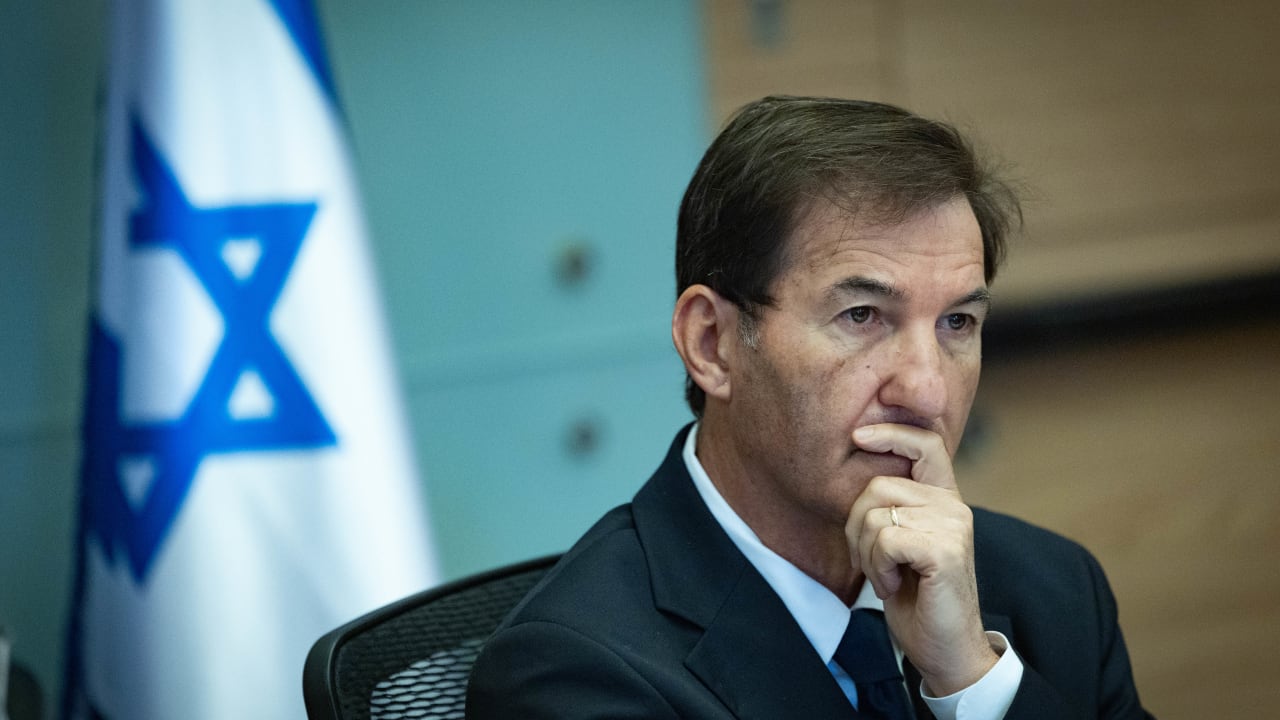
Now, more than ever, it is imperative for the incoming chairman of the Knesset Foreign Affairs and Defense Committee, Boaz Bismuth (Likud), to take the lead from his predecessor, Yuli Edelstein, and introduce a bill that would formalize a fully equal draft to include all haredim (ultra-Orthodox).
There is increasing public discontent, anger, and frustration at the efforts to continue a reality in which segments of the population don’t serve in the military equally, especially at a time when it is so sorely needed.
Edelstein’s draft framework, which he and his team left as an inheritance of sorts, outlines agreements reached with the haredim throughout the war, as well as the gaps that remain.
Nevertheless, even what Edelstein offered doesn’t fully meet the security needs, while also being way beyond what haredi politicians are ready to accept.

The model is that a yeshiva student or any graduate of a haredi institution would be eligible to defer their military service until age 26 and then be permanently exempt – as long as they went through the process of registering with authorities and undergoing a medical check. They would also need to be studying in a yeshiva and not have any other work.
To get this, a guarantor would need to sign for them. These guarantors would have to have a limited role and not be sanctioned themselves.
The framework also removes shortened service options, as well as the option to swap out military service for national service.
In terms of numbers, the goals laid out by the framework – which took into account haredi population growth rates – are 5,760 men in the first year of the law and up to 9,500 in the fifth.
While this is an improvement, it doesn’t solve the problem of a blanket draft duty.
The framework lays out three different types of sanctions: institutional, personal, and on those with the authority to be guarantors. While this shows seriousness, it is not detailed or aggressive enough to be effective.
These are some parts of the framework that got Edelstein booted from his position. We now must see what Bismuth adopts, changes, or rejects.
The issue of the draft is just the surface-level expression of a much deeper and older rift concerning lifestyle, philosophical outlook, and the question of what it means – and what is the price – for the survival and growth of a liberal democracy in the Middle East.
Mending social divides
What is required – beyond settling the draft issue once and for all – is to start to tend to those social divides, thereby bridging and bringing to terms such wide gaps among different groups of the same nation and nationality.
All of this rests on Bismuth’s shoulders, but it is not only his responsibility. It lies, as well, with the publicly elected officials who, though they are sectarian, have sworn to do their best by the public.
Just this week, Shas chairman Arye Deri made comments to teenage yeshiva students that appeared to encourage draft dodging. Shas issued an intense clarification after the video of Deri made the rounds, saying he was merely explaining to the young, impressionable students that building their religious identity was of the utmost importance.
In response, former prime minister Naftali Bennett said: “How is this person in the war cabinet? How does this government dare? This disgraceful government dares to send us [to serve] and give us orders. It’s like a knife in the heart to hear this.”
This incident is a perfect manifestation of the deeper problems that need solving. The solution starts with Bismuth presenting a law that does away with this painful and unjust inequality.