We tell ourselves that we are strong, that we can handle anything, that resilience is woven into the DNA of Israeli society. Indeed in many ways, it is.
Still, resilience, like any resource, has its limits.
Last Tuesday, the Public Defender’s Office released a troubling report: a sharp rise in crime, particularly domestic violence, among people with no previous criminal record. Teen crime is also climbing. These trends aren’t random – they’re happening in the shadow of a national trauma we haven’t had time to process.
The horrors of October 7 were swiftly followed by war, evacuation, and widespread displacement. Grief that should have had room to breathe was buried under logistics, headlines, and endless sirens. And as if that weren’t enough, poverty is creeping upward, unnoticed by those not directly affected, but quietly devastating those who are.
The 2024 divorce rate rose sharply, and 2025 may reveal even more fractures. We now have hundreds of war widows. Thousands of children are mourning fathers and siblings. Families have been torn apart, patched up with platitudes, a kiss on the forehead, and a promise that “everything will be okay.” But is it?
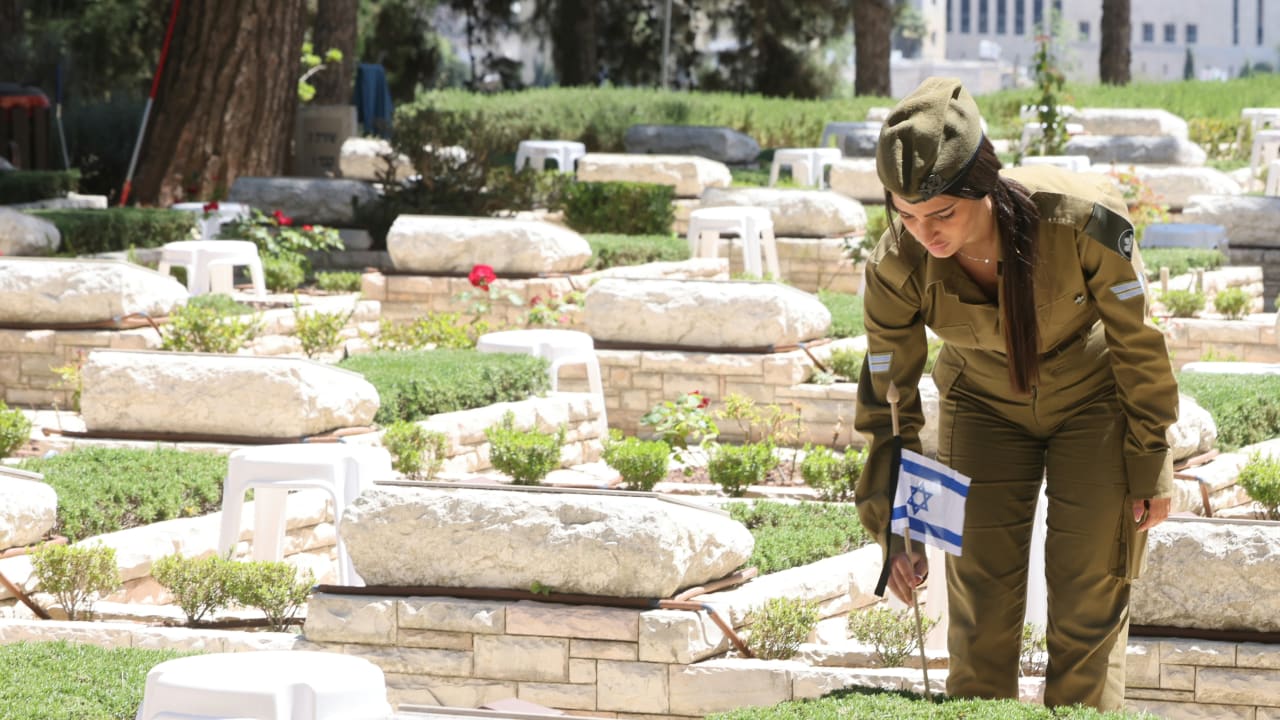
In just the last month, five Israeli soldiers died by suicide. A sixth case – a reservist, husband, and father – is still under investigation, but early reports suggest it too may have been suicide. These are not isolated incidents. They are warning lights blinking red across the national dashboard.
Yes, our story is long. Our people have endured exile, persecution, and wars of survival. And yes, our well of emotional, spiritual, and cultural resources runs deep. But we have been drawing from that well nonstop – with no time to refill it.
When crisis becomes chronic, the mindset must shift. Volunteers can’t carry the load forever. The safety net of emergency goodwill begins to fray. What we need now are not just good hearts, but strong systems: in mental health, in education, in housing, in community support. It’s the basics, the boring stuff; the things that quietly hold societies together.
Even the most resilient can crack
If these are neglected too long, even the most resilient society begins to crack.
What I’m trying to say is this: resilience is not infinite, not even Israeli resilience.
And when citizens, weary and wounded, turn to their leaders for inspiration or strength, what do they see?
Too often, they see denial and indifference. A senior politician recently said: “Their pain? Let it stay with them. Everyone carries their own burden.” Words like these are not just cold – they are corrosive. At a time when the nation most needs unity and compassion, they tell people to carry their grief alone.
Or they see headlines about an accused rapist – still under investigation – being elevated to a senior position in the Knesset. What message does that send to the public? To our children? To the survivors of trauma who are already struggling to feel safe in their own country?
These moments do not build trust; they do not build resilience.
And yet, there is something quietly powerful happening beneath the noise. Poll after poll shows that the vast majority of Israelis – Left, Right, Center, religious, secular – actually agree on many of the most essential values. We believe in decency and honesty, in community, in fairness, and education for a better future for our children.
The shared moral center is still there. We just need to hold leadership accountable.
Israel has always told a compelling story – not just to the world, but to itself. It’s a story of survival, of vision, of ethics, of mutual respect and redemption. Our prophets didn’t promise comfort; they demanded justice, and they offered hope. That tradition belongs to us. Yet somewhere along the way, we seem to have lost the thread – letting the loudest and most extreme voices steer the national conversation.
It doesn’t have to be this way. We are still the authors of this story. We can reclaim the narrative.
The time has come to do what resilient people do best: not just survive, but rebuild: thoughtfully, compassionately, together.
The writer, who holds a PhD in clinical psychology, hosts a podcast, The Van Leer Series on Ideas, and is a psychologist with the Tikva Helpline.