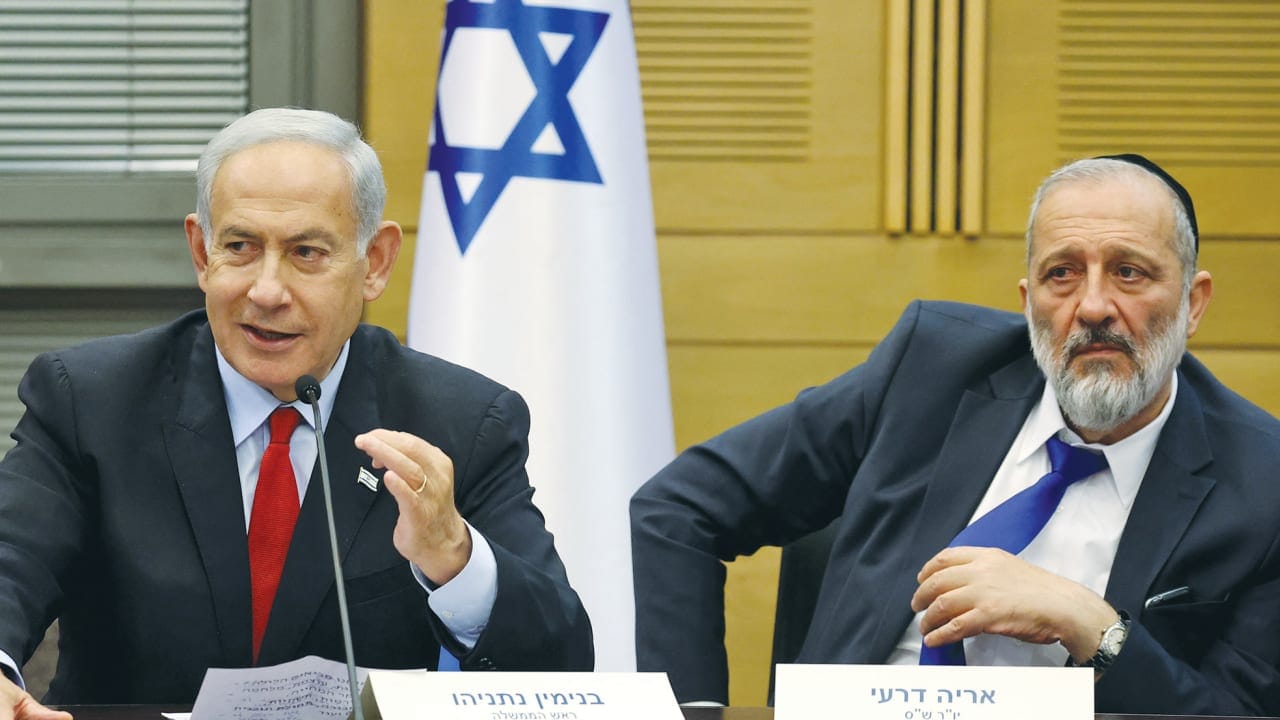
The Israeli political system, long mired in paralysis and sectarian compromise, has just experienced a tectonic shift.
In a surprise move, both haredi (ultra-Orthodox) parties – Shas and United Torah Judaism (UTJ) – walked out of Prime Minister Benjamin Netanyahu’s coalition, leaving him scrambling to stay in office.
As The Jerusalem Post reported, “Shas’s leaders directed MKs not to topple the government, though their decision shrinks Netanyahu’s coalition to 49 MKs.” At first glance, this looks like a crisis. Beneath the surface, it may be the healthiest moment Israeli democracy has enjoyed in years.
For decades, the haredi parties, who represent fewer than 15% of Israelis, leveraged their swing-seat status to secure generous subsidies, blanket draft exemptions, and control over their independent school systems – often at the expense of broader national priorities. Their exit is not merely a political reshuffle – it is an opening.
At the heart of the rupture lies the ultra-Orthodox draft exemption. Under the arrangement of Torato Umanuto (Torah is his skill), tens of thousands of haredi men avoid the draft by declaring full-time Torah study as national service.

During peacetime, many Israelis grudgingly accepted the deal; amid a costly war in Gaza, patience has evaporated. The Post captured the mood bluntly: “After years of delay tactics and political bartering, the ultra-Orthodox draft crisis has burst its cage, threatening to topple the government amid war.”
Until now, the haredi parties were the immovable obstacle to reform. Their departure clears the way for legislation that could establish universal conscription or at least genuine civilian national service. Such a law would not only balance the burden; it would mend the fraying sense of shared destiny that binds Israelis together.
The implications go further. Without a haredi veto, the Knesset may finally function. For months, Shas and UTJ boycotted key votes, jamming the legislative gearbox; their walk out unjams it. Economic reforms, civic-equality bills, and urgently needed defense measures suddenly have a fighting chance.
As another Post headline noted, “As Israel’s ruling coalition fractures over the Haredi Draft bill, religious parties threaten to quit, and pressure mounts from reservists, the government clings to a narrow majority.”
There is also an economic upside. Haredi men’s low workforce participation puts a drag on national productivity; universal service could accelerate a cultural shift toward employment, easing the fiscal strain of stipends and boosting long-term growth. The ultra-Orthodox leadership itself framed the stakes in stark terms, warning of “severe and unacceptable harm to the status of Torah students.” Their alarm underscores how disruptive real reform could be – and why it matters.
'Read my lips – this gov’t will not fall'
Secular, traditional, and religious-Zionist Israelis have long felt they shoulder the military, economic, and civic load while ultra-Orthodox politicians bank privileges. “The move by the six United Torah Judaism (UTJ) party members leaves Netanyahu’s nationalist-religious government extremely vulnerable, with just a one-seat majority in the Knesset,” The Post observed. That vulnerability is precisely what democracy requires: accountability.
The price falls heaviest on the prime minister. His survival formula – haredi obedience plus far Right militancy – is broken. One recent Post analysis captured Netanyahu’s defiance: “Read my lips – this gov’t will not fall.”
Maybe – but he now faces a choice. He can double down on extremism, or pivot toward the center, inviting technocratic or moderate partners. Choose the latter and he might yet reinvent himself as a statesman who shepherds draft reform, rebuilds governance, and anchors post-war recovery. Cling to the ruins of his old coalition, and early elections could end his storied career.
For the public, hope outweighs risk. The ultra-Orthodox walk out is more than coalition drama: It is a chance to rewrite the social contract – to imagine a state where sacrifice is shared, opportunity is earned, and the rules apply to everyone.
We may be naive, but at the same time truly believe that there is a small and important opportunity for change.
That is more than good politics – it is the beginning of national healing.