Recently, international media outlets reported on a supposed massacre of Gazans by the IDF at the humanitarian aid distribution zone.
The claims were based on a viral video and information from the Gaza Health Ministry, which is controlled by Hamas – the same terrorist organization that is still in control of Gaza and that still holds 53 hostages.
Even if we overlook the years of international media reliance on Hamas-run sources, the pattern since October 7 has become impossible to ignore – and it’s never in Israel’s favor.
The publication of unverified stories
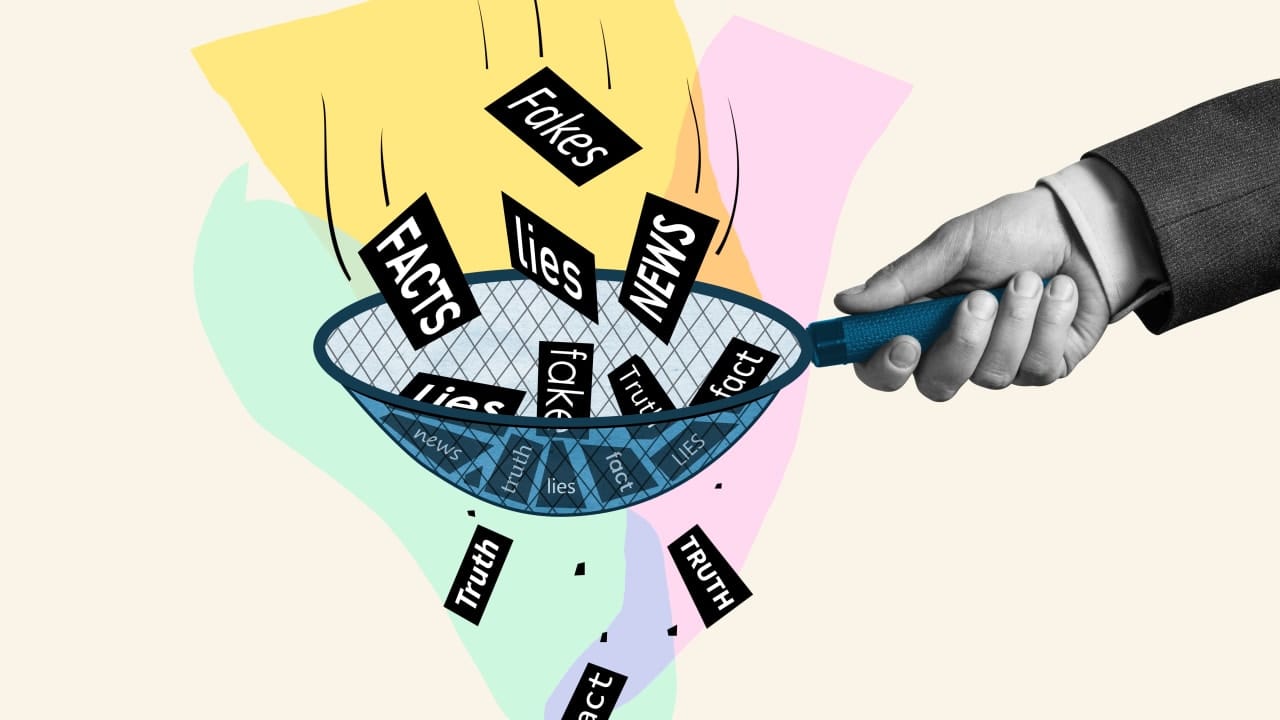
Time and again, international media outlets rush to broadcast sensational accusations against Israel. Then, hours or days later, they quietly issue corrections – small-print updates admitting the story was false, misleading, or unverifiable. But by then, it’s far too late. A correction is like putting a bandage on an amputated limb: It does nothing to undo the damage.
When this most recent story broke and was picked up by every major outlet, the outrage in Israel was immediate – not only at the international media for running with unverified claims but also at the IDF and the government for their delayed response. It took 12 hours for the IDF to release security footage from the distribution zone – footage that clearly disproved the claims.

But in 2025, 12 hours of silence on social media is the equivalent of 20 years of front-page headlines. Millions around the world were exposed to the lie within minutes. Even if Israel had responded faster, the damage was already done. When it comes to Israel, the truth often doesn’t matter; people are quick to share, repost, and amplify any accusation, even after it’s proven false.
We can and should criticize how the “PR” side of this war has been handled by Israeli officials. In today’s reality, social media isn’t just a platform; it’s the battlefield. It’s what puts pressure on governments to act. When foreign leaders see the images online and observe how their citizens respond, they feel compelled to act. And too often, their rhetoric and policies are shaped by what’s trending.
Let’s not forget, heads of state are not monarchs, they are elected officials. And despite our best hopes, they will almost always act in ways that serve their political image or help calm unrest on their streets.
A PR failure for Israel
Despite our wish for the IDF to respond immediately and expose the lie, taking the time to verify the facts is crucial. The IDF cannot afford to lose its credibility, especially given the constant stream of accusations it faces. However, this does not mean we as a state have not failed – we have.
At times, it feels like Israel lacks a coherent PR strategy to combat the relentless propaganda against us. We are not fighting back enough against the tsunami of lies. Since October 7, it seems this battle has largely been left to us: Israeli citizens and our supporters.
So when the international media ran with the story of the massacre, it did so without immediate dispute from us, for hours. Let’s be honest: The truth rarely goes viral. Exposing yet another false story about Israel isn’t enticing enough to attract views, likes, and shares the way the lies do.
We Israelis are not shy when it comes to criticism – no one is spared. Unfortunately, too often, we voice that criticism outside of Israel, even to media outlets that are clearly not on our side. So no one can claim we don’t do so. But while we take our time to gather evidence and prove we are right, for over 600 days Israel has done little to hold the international media accountable for its role in shaping a negative global narrative.
No, the media and journalists have not explicitly encouraged violence or directly caused harm to Israelis or Jews abroad. However, the way in which unverified and sensationalized stories are circulated has shaped public perception in damaging ways – often painting Israel as the villain while minimizing or ignoring the actions of terrorist organizations.
We are not asking the international media to be blindly on our side, or on anyone’s side. We’re simply asking the international media to do what it is supposed to do: report the truth. Verify stories before publishing them to millions, especially when the information comes from a terror group that not only attacks Israel but brutalizes its own people.
We’re only asking: Don’t publish a story just because it fits the narrative that Israel is always at fault.
On a personal note: I ask the international media to return to what it once was – trustworthy.
The writer is a political marketing expert, digital communications professional, and commentator on Israel and international affairs.