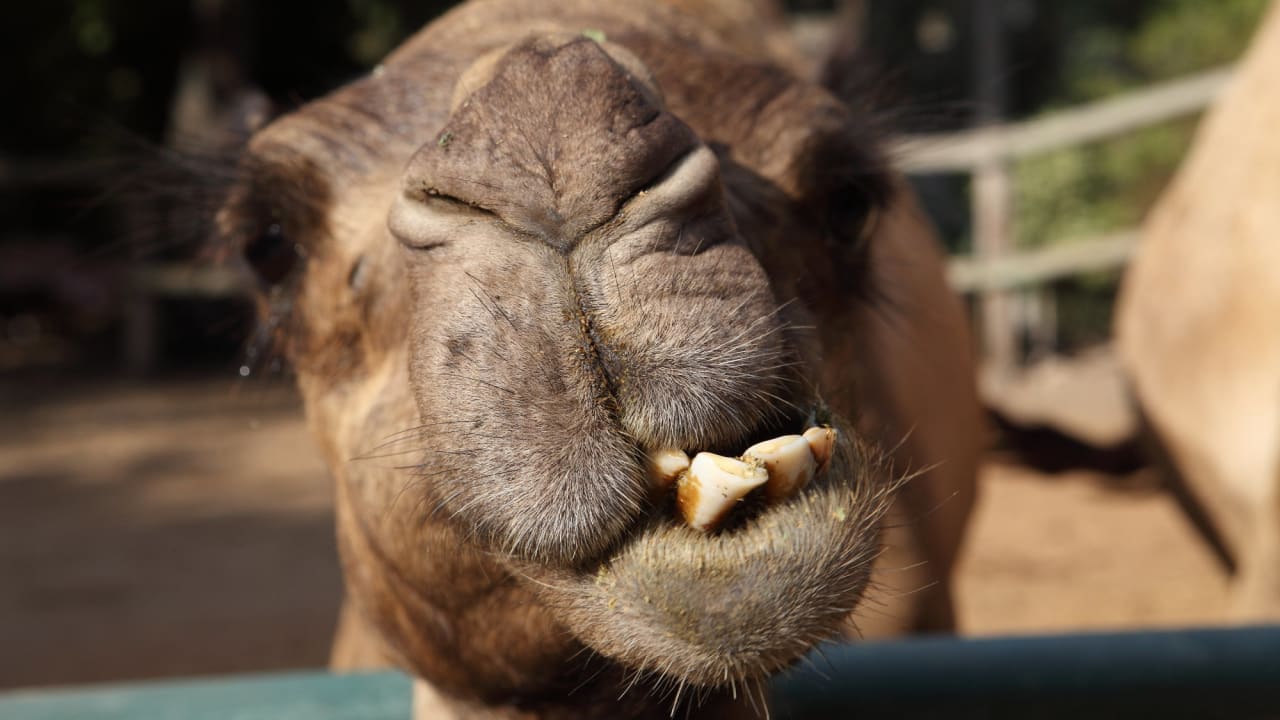
Twenty camels were disqualified from the 2026 Camel Beauty Festival in Al Musannah, Oman, in February after veterinary examinations identified prohibited cosmetic procedures. Inspectors detected signs consistent with Botox injections; dermal fillers such as hyaluronic acid used for lip augmentation; fillers and silicone to reshape nasal structures; and silicone, including silicone wax, applied to alter the prominence and contour of humps. Officials also found evidence of artificial hump inflation and hormone-based regimens aimed at sharpening muscle definition and promoting muscular prominence. The irregularities were discovered during pre-parade checks, when judges and veterinarians noticed unusually pronounced facial features and visible indications of injection sites, leading to immediate disqualifications, according to The Nation.
Penalties extend to instant removal from competition to preserve the integrity of the judging. The festival is overseen by the Camel Club and the Oman Camel Racing Federation, which emphasize strict enforcement. The committee said the list of prohibited interventions is publicly codified and that checks target both external alterations and physiological signs of tampering.
Camel beauty contests
Camel beauty contests across Gulf countries trace their lineage to Bedouin desert traditions, where natural features and pedigree carry decisive weight. Judges evaluate symmetry, head and neck shape, lip and nose form, coat condition, and overall bearing, with an emphasis on unaltered characteristics. These events have grown into high-stakes competitions that blend heritage with large cash prizes and prestige. Winning camels are considered status symbols and high-value assets. Titles can significantly increase an animal’s breeding value, and prizes at major festivals can run to tens of millions of dollars, sometimes including cash, cars, and exclusive breeding rights.
Veterinary experts warn that cosmetic procedures on camels can inflict serious harm. Reported complications include infections, swelling, tissue damage, chronic inflammation, severe pain, bruising, and scarring. Manipulations can create digestive issues and physical imbalances, and ill-conducted operations risk internal tears or life-threatening abscesses. Botox, used to alter facial expression and muscle tone, affects neuromuscular function and can interfere with a camel’s ability to eat, chew, and drink. “Subjecting any animal to a cosmetic procedure... is hideously cruel and shows the humans who use such tactics to be extremely ugly,” PETA Asia said, according to News24.
Heightened scrutiny
The Omani disqualifications follow a pattern of heightened scrutiny at marquee camel festivals in the region. Major events in Saudi Arabia have previously recorded similar scandals, including removals in 2018 for the use of fillers and Botox. In 2021, more than 40 camels were disqualified after checks uncovered a range of aesthetic manipulations. Organizers across competitions have reiterated their commitment to combat all forms of cheating and beautification through illicit means and to apply strict sanctions, including immediate disqualification, to protect the credibility of winners and the heritage these festivals are meant to showcase. As prize pools and competitive pressures expand, veterinary inspections before parades, rule enforcement by organizing bodies, and the publicization of prohibited procedures have become central tools to ensure that titles are awarded on the basis of natural appearance and lineage rather than artificial enhancement.