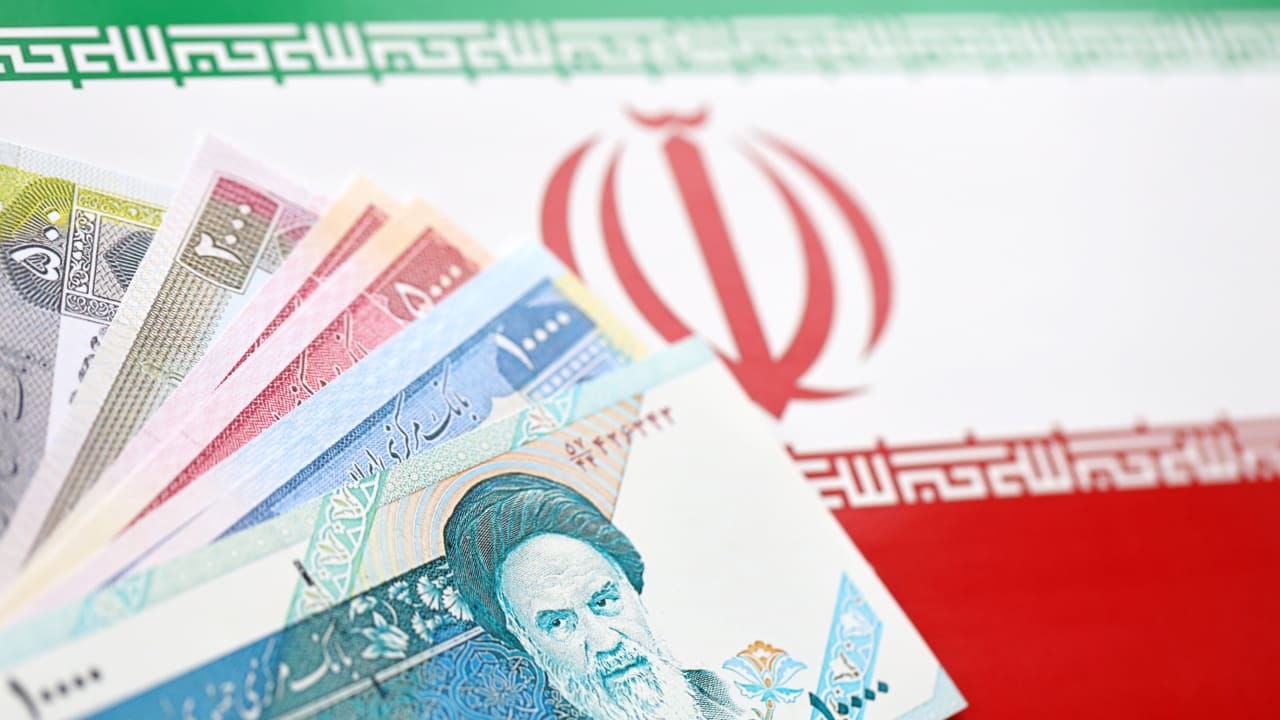
Iran is demanding the immediate release of $12 billion in frozen assets held in Qatar as a precondition for continuing the talks with the United States, Iran International reported on Sunday night, citing an informed source with direct knowledge of the negotiations.
It is also the only immediate obstacle to further advancing negotiations on the potential Memorandum of Understanding (MOU) between the two countries, according to the source.
Further, the source emphasized that one of Tehran's broader requests is that all its assets be unfrozen as part of any eventual comprehensive agreement.
In April, a senior Iranian source told Reuters that the US had agreed to release Iranian frozen assets held in Qatar - a claim a US official swiftly denied.
A second Iranian source said the United States had agreed to release $6 billion of frozen Iranian funds held by Qatar, Reuters reported.

What does the MOU include?
The MOU - labeled the 'Islamabad Declaration' according to Al Arabiya - that both parties would sign would start a 60-day ceasefire extension, and would include the possibility of further talks and an extension during the two-month period.
If the MOU is approved by Iran's Supreme National Council, it will be sent to Mojtaba Khamenei for final approval.
According to Al Arabiya, final negotiations regarding a peace deal will come only after both parties sign the MOU and agree to the 60-day ceasefire.
One important element of the deal is the reopening of the Strait of Hormuz. According to Axios, the current draft of the MOU specifies that the Strait would be open without tolls, and Iran would clear the mines it had deployed there.
In exchange, the US would lift its blockade on Iranian ports and waive some sanctions it had imposed, allowing the country to sell oil freely.
Issues relating to Iran's nuclear capabilities and enriched uranium stockpile would still be largely under negotiation, although the MOU would call for Iran to cease any pursuit of nuclear weapons.
According to Iranian media, the deal would include Washington waiving sanctions on Iranian oil, and both sides agreeing not to attack each other or their allies.
Another issue the MOU addresses, Axios reported, is the ongoing war in Lebanon between Israel and the Hezbollah terrorist group. It specifies that the war will end, with a US official telling Axios it would not be a "one-sided ceasefire," and that if "Hezbollah behaves, Israel will behave."
Iran's central bank chief heads to Qatar after talks about frozen funds
Iran's Central Bank Chief Abdolnaser Hemmati traveled to Qatar, Iran's state media reported on Monday, saying the visit follows talks with a Qatari delegation in Tehran regarding Iran's frozen funds.
Iran has been pushing in negotiations for its frozen funds abroad, including in Qatar, to be released.
Iran's Ghalibaf, Araghchi, in Doha to meet Qatari PM, sources to Reuters
Iranian Parliament Speaker Mohammed Bagher Ghalibaf and Foreign Minister Abbas Araghchi are in Doha to meet the Qatari Prime Minister and Foreign Minister Mohammed bin Abdulrahman Al Thani, an official briefed on the visit told Reuters on Monday.
The Iranian officials are meeting with the Qatari PM to discuss the terms of a potential ceasefire deal with the US, the official said.
The discussions will primarily focus on the Strait of Hormuz and Iran's enriched uranium stockpile, the officials briefed Reuters.
Jerusalem Post Staff and Reuters contributed to this report.