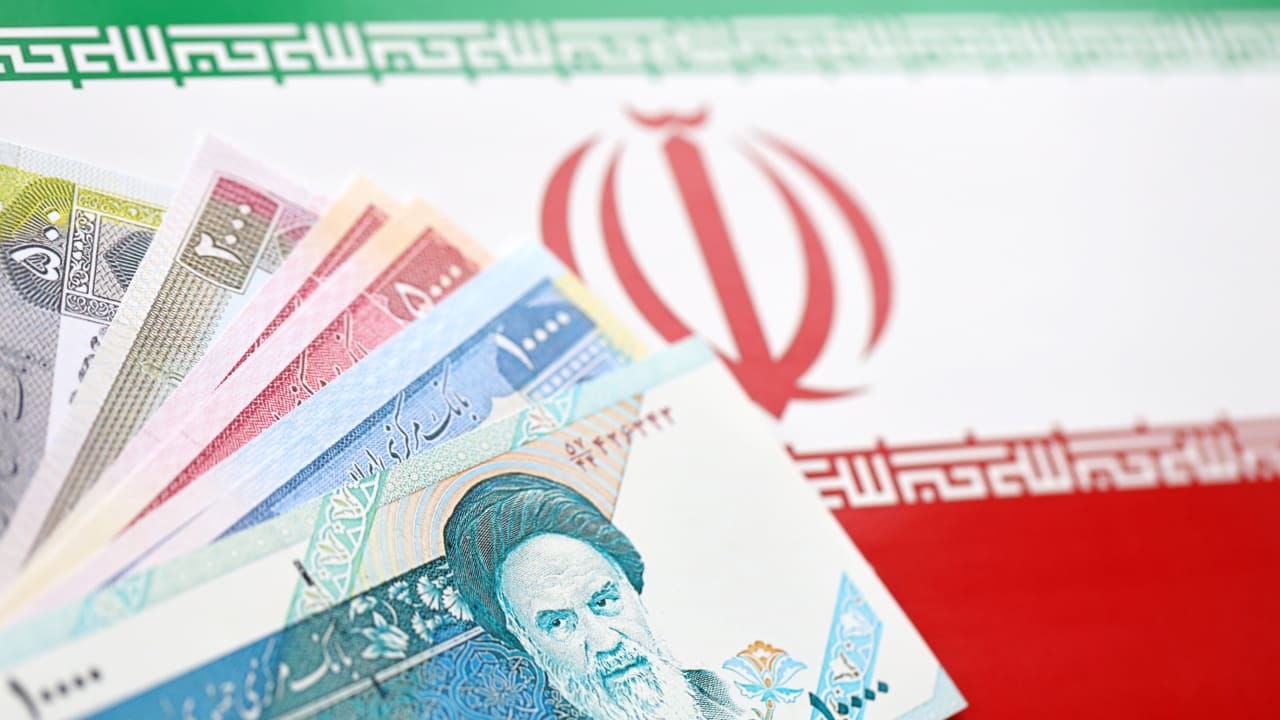
Iran's parliament approved a plan to remove four digits from the currency, the Iranian Rial, last week in an attempt to combat inflation amid sanctions on the Islamic Republic, Iran's official news agency IRNA confirmed.
According to Tehran's plan, the Central Bank of Iran will implement the changes to the currency's value over the next five years, consisting of two years of "preparation" and three years of "implementation," IRNA clarified on Friday.
This will result in both values of the currency being in circulation for up to three years, with the central bank given two years to launch the transition, Agence France-Presse reported.
The law was passed with 144 votes in favor, 108 against, and three abstentions, London-based anti-regime outlet Iran International reported.
Iranian banking authorities had been planning the devaluation of the Iranian Rial for six years, but it had not been approved until last week due to opposition to the plan, IRNA claimed.

Notably, the approval of the decision comes after Israeli and US airstrikes on Iran caused substantial damage to the Islamic Republic's nuclear program in June, as well as the E3 (Britain, France, and Germany) triggering the "snapback" sanctions in September.
Iran has suffered hyperinflation, causing the Rial to become the world's weakest currency in recent months, surpassing the Lebanese Pound.
Years of inflation above 35% have caused Iran's currency to plunge to 1,150,000 rials to the US dollar on the free market, currency tracker bonbast.com shows, making it difficult for people to make sense of bills or financial statements, Reuters noted.
This is compared with a valuation of approximately 920,000 to the US dollar in early August, AFP noted.
Government officials, economists query the effectiveness of devaluing the currency
"The currency remains the rial and changes won't be overnight," the head of parliament's economic commission, Shamsoldin Hossein, told state TV.
"The central bank has up to two years to prepare the ground for this change. After that, there will be a transition period of three years when both denominations will be used."
The move will make the rial easier to use in transactions and calculations, Hossein said, adding that high inflation had severely diminished the usefulness of banknotes.
“This policy is largely cosmetic.” economist Ahmad Alavi told Iran International in August. The removal of zeros would not alter the currency's value unless authorities "tackle the roots of inflation - from liquidity growth to systemic inefficiencies," he added.
"A national currency's prestige isn't revived by removing four zeros. Instead, that can only be done by strengthening the real value of the currency," Iranian MP Hossein Samsami was quoted as saying last Sunday by the semi-offical Iranian Students News Agency.
Reuters contributed to this report.