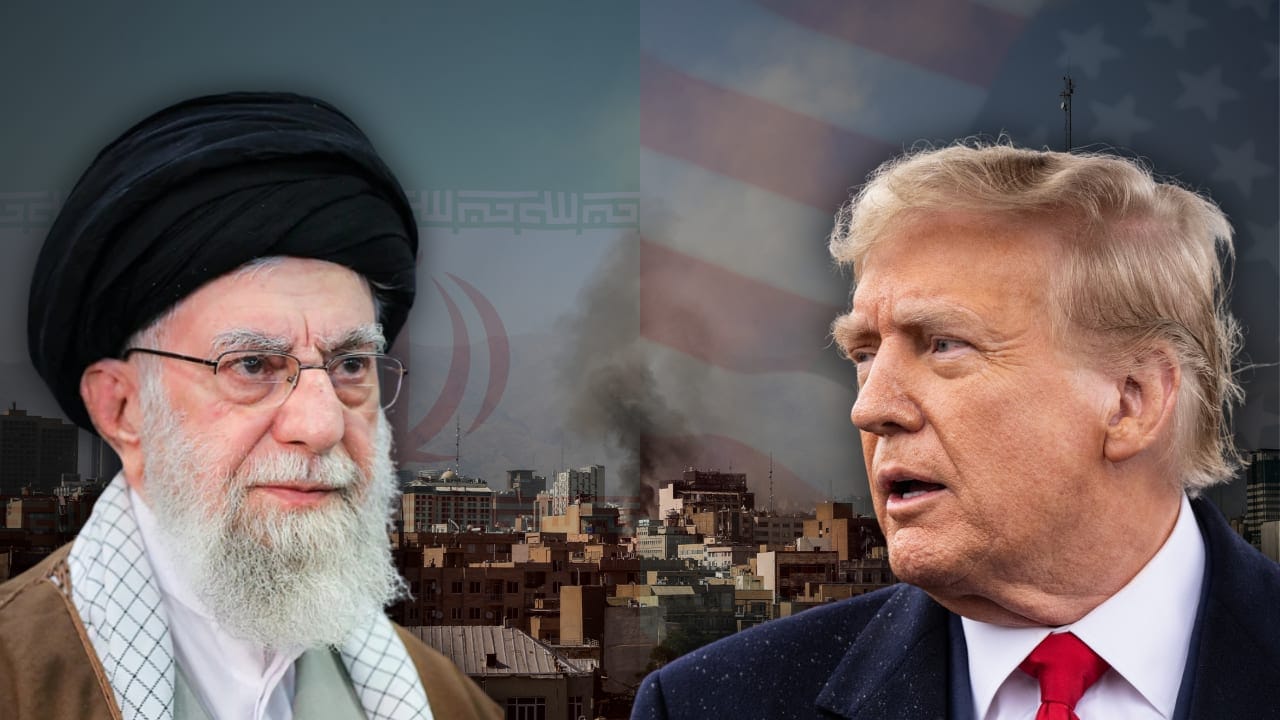
The path for negotiation between Iran and the United States is not closed, the secretary of Iran's Supreme National Security Council, Ali Larijani, said in a post on X on Tuesday.
"We indeed pursue rational negotiations. By raising unrealisable issues such as missile restrictions, they set a path that negates any talks," Larijani added.
After Germany, the UK, and France, the E3, started a 30-day countdown to activating the snapback of global sanctions against Iran, the regime vowed to retaliate by pulling itself out of the Non-Proliferation of Nuclear Weapons Treaty (NPT). It has not.
In fact, Tehran has not retaliated in any way ever since the snapback mechanism was triggered by the E3.
This summarizes the new state of play after Israel and the United States bombed dozens of the Islamic Republic’s nuclear sites, setting it back about two years and billions of dollars in its quest for a nuclear weapon.

Iran could hold direct nuclear talks with the US
Iran could hold direct nuclear talks with the United States if the conditions are suitable, First Vice President Mohammadreza Aref said on Tuesday, as reported by Reuters at the beginning of August.
But he said US demands for Tehran to drop uranium enrichment entirely were "a joke."
A sixth round of talks between Tehran and Washington was suspended following Israeli and US strikes on Iranian nuclear facilities in June.
Yonah Jeremy Bob contributed to this report.