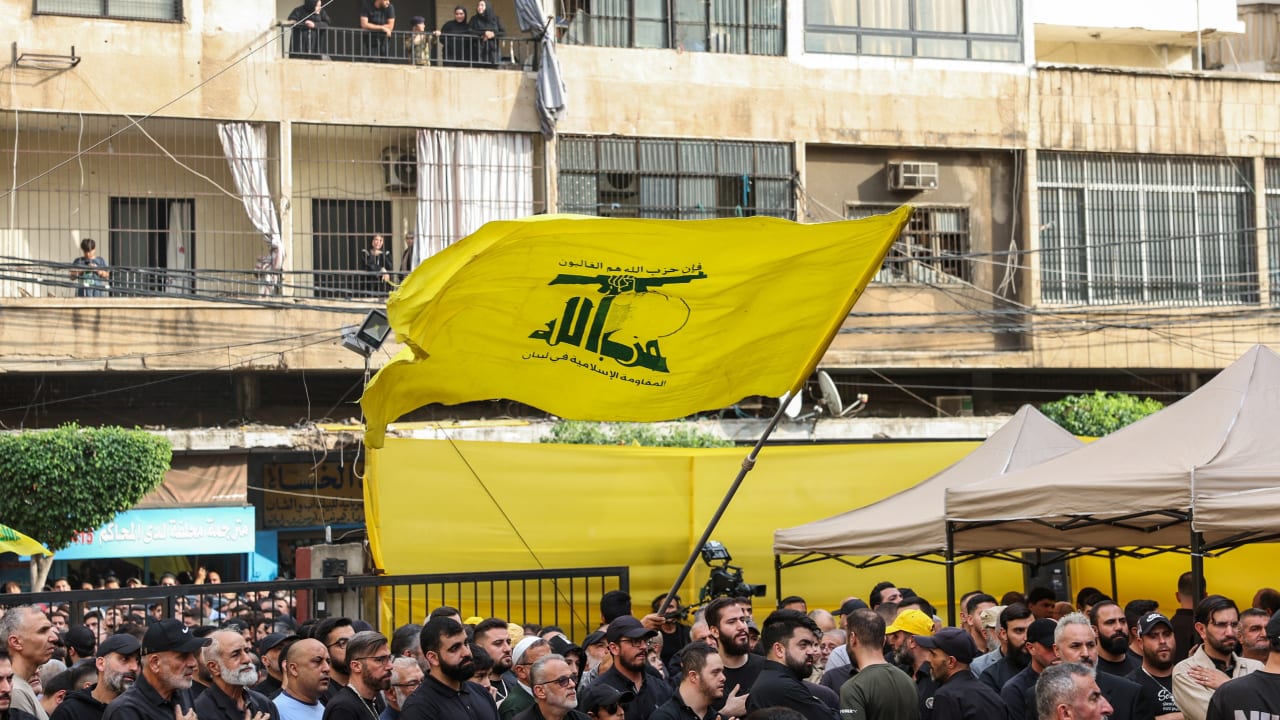
A day after the assassination of Hezbollah’s military chief, Ali Tabatabai, the terror group is primarily working to reassure Arab media outlets that it has no intention of launching a response against Israel.
Public or anonymously quoted Hezbollah-aligned parliamentarians are briefing that “the diplomatic route is preferable” and that “we are weighing how to respond.”
In truth, Hezbollah is in trouble. Its weapons reserves and ability to launch significant strikes are nowhere near what they were before the war. Even with recent rearmament efforts through Syrian smuggling routes, the group remains far from restoring its previous strength.
That raises a fundamental question within the organization: would a limited strike – one that risks provoking a far more forceful Israeli retaliation, described by Israeli officials as “disproportionate” – be worth the cost?
Israel, for its part, has sent a clear message to the Lebanese government: any attack will lead to escalation. “The killing in Beirut is an isolated incident – but if there is a response, that’s a completely different story,” according to a message Israel delivered to the mechanism that oversees the ceasefire in Lebanon.

Another layer of complexity comes from the split within Lebanon’s leadership over how to respond. The Lebanese president released a fiery statement claiming the strike in the Dahiyah shows Israel has ignored repeated appeals to stop its operations. In contrast, the prime minister called for rallying behind the state, insisting that past experience demonstrates that real stability depends on fully enforcing UN Resolution 1701.
The US position is unambiguous: Israel acted within its rights. The State Department said that “the complete disarmament of Hezbollah is the only path for Lebanon to achieve lasting peace and stability.”
Washington frustrated with Lebanese gov't
In Washington, frustration with the Lebanese government is growing, and in recent weeks, officials have issued firmer warnings that it’s time to dismantle Hezbollah. Even a planned visit by the Lebanese army chief to Washington was canceled at the last minute after he called Israel an enemy. “Hezbollah is your enemy,” US officials made clear.
It’s unlikely that Beirut is shedding tears for Tabatabai. But now the world – and the region – must wait: Will this strike on the heart of Beirut move the needle on disarming Hezbollah? Or will tensions in the land of the cedars only deepen?