

In an age of TikTok, where 60-second bites are the preferred mode of information sharing, the world is now struggling to unravel the complexities of the conflict that has been raging more than ever between Israel and the Palestinians. People have also been striving to understand how that conflict impacts the relations between different religions and cultures.
As chair of a university Department of Comparative Religion, I have been working on developing a new course looking at interreligious conflict and cooperation aimed at addressing the tensions that we have seen building up, especially on US campuses since Hamas’s October 7 attack on Israel.
It is easy to forget that there is an entire field of interfaith relations dedicated to studying how to overcome religious differences so that we can all live in a more harmonious and understanding world.
Faith vs religion
Of course, like any field, interfaith relations is itself not without controversy about which methods are most effective in fostering healthy discussion and understanding among the various religions.
Even the name of the field is hotly debated, with many wanting to replace the term “interfaith” with “interreligious” because “faith” focuses on belief and dogma, whereas the term “religion” focuses on the whole package that includes faith but also the practices and social features.
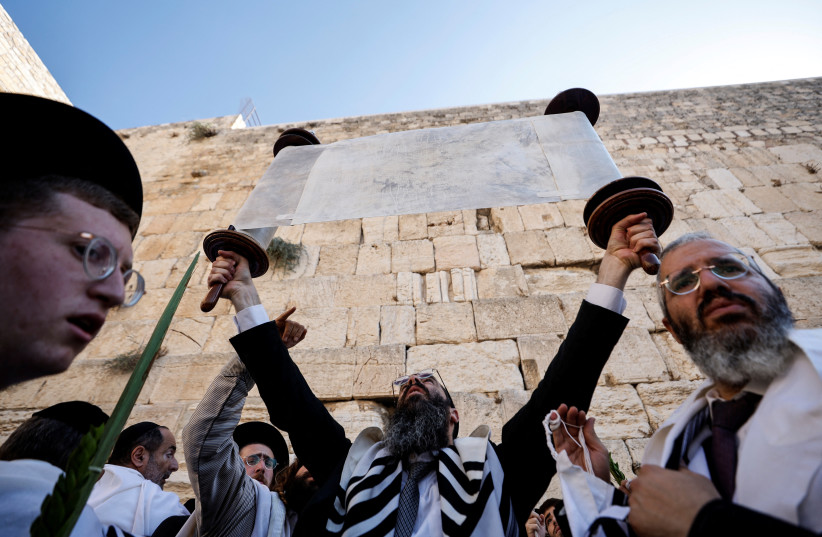
For many religions, such as Judaism and Hinduism, the practice of various ancient rituals is just as important as having faith in certain truths, so using the term “interreligious” instead of “interfaith” accounts more fully for the rich variety of religious formations we find around the globe.
Tolerance vs pluralism
A core issue often discussed in the field is whether we should be aiming for tolerance or pluralism. While religious tolerance is often lauded as an aspiration by many people and is even the subject of a clever bumper sticker in the US that bears the word “tolerance,” written in letters formed using symbols of the world’s religions, it is important to consider the core meaning of the word. To tolerate something is to merely accept its existence, but it does not necessarily mean that one will be happy about it.
Pluralism, on the other hand, is generally taken to be a positive attitude toward the fact that one lives in a diverse society. Many pluralists argue that they do not merely want to grudgingly accept the presence of different groups in their society, but they actively encourage it. Would we want to eat the same food every day, they may argue. Or listen to the same music? Or have a democracy in which everyone would vote the same way? Having contact with things that are different can enrich your life.
Pluralists also often point out that just as genetic mixing creates stronger offspring, and too much endogamous marriage with people closely related can cause more diseases, so cultural mixing can create a stronger and more versatile society for everyone.
Grounds for dialogue
Perhaps the most crucial question in this field, however, is how to approach dialogue between people of different religions. The older idea was that we should try to find points of commonality and show that while we may be treading different paths up the mountain, we are all trying to reach the same summit.
However, a more recent development has been that we should not search for common features but rather should learn to accept and appreciate differences. If finding similarities between religions were a panacea, then there would not be so much tension between two of the most similar religions in the world, Islam and Judaism, both of which accept Abraham and Moses as foundational prophets who expounded on the idea that there is one formless God who created the world and who rules over it with justice and mercy.
Both religions even have similar attitudes toward ritual cleanliness and dietary restrictions around pork. So finding similarities might not be as effective a strategy as was once believed.
A better way to approach interreligious problems, say many advocates, is through active listening, where one tries to empathize with the other and attempts to place one’s own biases aside as much as possible and just listen to what the other is saying, without getting defensive and without trying to convince them that your own position is correct. Those involved in this kind of dialogue are encouraged to imagine what life might be like when looked at through the eyes of the other.
Sharing Sacred Spaces
I am on the advisory board of an organization called Sharing Sacred Spaces, which strives to overcome bias, misunderstanding, and polarization by bringing people together through structured, transformational processes that build relationships, affinity, and trust across religious differences.
Sharing Sacred Spaces sees religious differences as actually having the potential to become a leverage for peace and thriving. Recognizing and understanding these points of contention can lead to a world where people of all faiths welcome one another with warmth and grace, regardless of the differences they may have.
The organization does this by using the vehicle of sacred space and sacred architecture to help people approach and engage different world views. They run programs that involve bringing community members from different religions into each other’s sacred spaces, be it a synagogue, mosque, church, temple, or shrine, and inviting the participants to ask questions about how they each use their spaces.
This experience and discussion serve as a jumping-off point into education about the different religions more generally. These programs reduce defensiveness and foster intergroup skill-building, as well as healthy dialogue rather than competition and suspicion. When participants enter into dialogue with a sense of openness and non-judgment, surprisingly serious gaps between people from different religions can be bridged.
By moving from a framework of debate to one of dialogue, and by educating ourselves about the religions of the world without judging the merit of the foreign ideas but just noting what they are and appreciating that there are millions of human beings who subscribe to these traditions – who love their families, work hard, and value justice – we can get beyond the TikTok reels spinning their misinformation and learn to live together in a more harmonious way. ■
Daniel Veidlinger is chair of the Department of Comparative Religion and Humanities at California State University in Chico.