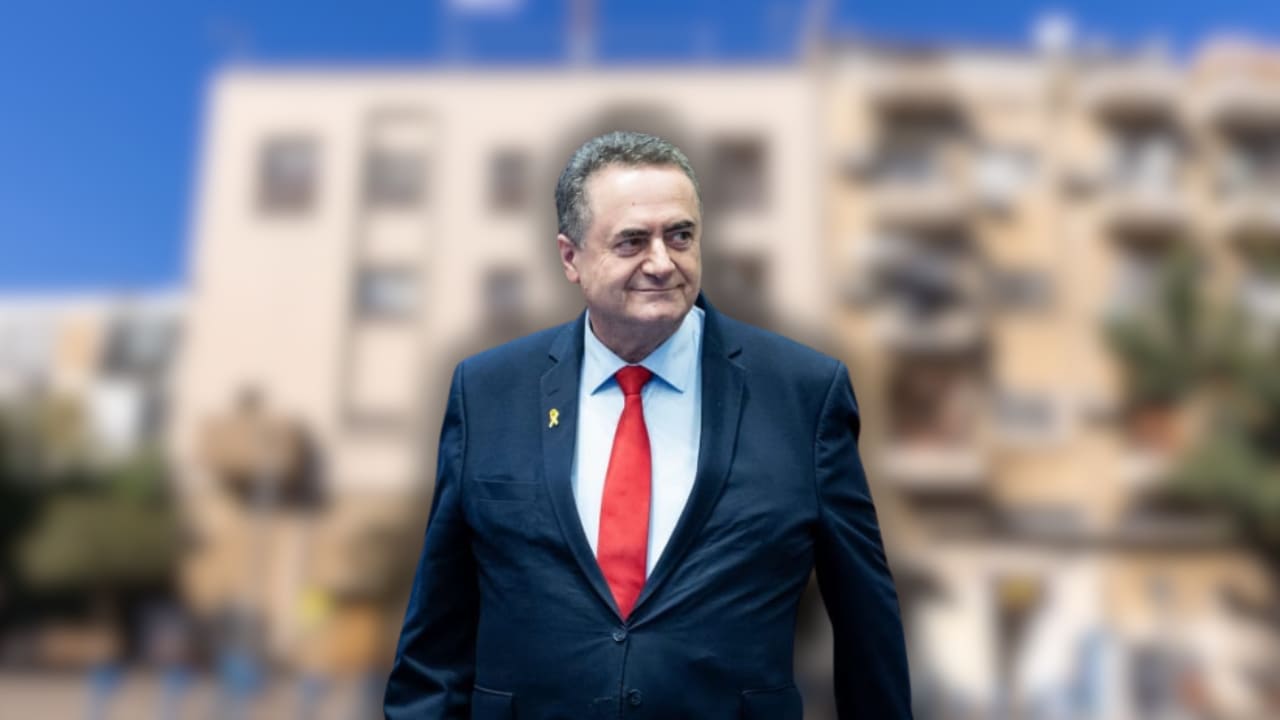
Israeli journalists and politicians came out in sharp opposition to Defense Minister Israel Katz’s decision to close Army Radio (Galatz) on Wednesday, claiming the move undermines press freedom and Israeli democracy.
Army Radio commander Tal Lev-Ram said the station learned of the move “with complete surprise,” adding that officials were not given a chance to respond to the committee report.
He cited “numerous flaws” in the panel’s work, including conflicts of interest, the premeditated selection of members, and manipulations in the information presented. "A heavy shadow hangs over the committee’s work, which from the outset operated under the premise that ‘what was will no longer be,'" he said.
“The decision by [Defense Minister Israel Katz] to close Army Radio is a direct attack on the free press in Israel and a blatant, disgraceful attempt to silence democratic and open public discourse,” Labor MK Gilad Kariv, one of the first MKs to respond to the news, said.
“Katz does not shy away from lies and incitement against the dedicated journalists working at the station, defaming them in the process.
"This is an inseparable part of the attempts to turn Israeli democracy into an empty shell. Given those involved, it would not be surprising if the station’s broadcasting frequencies are soon handed over to wealthy figures affiliated with the corrupt and degenerate Likud Party,” Kariv concluded.

Defense Minister Israel Katz announced on Wednesday that Army Radio will be closed, with implementation planned by March 1, 2026. The decision follows recommendations from a panel Katz appointed in June to review the station’s future.
Former IDF chief of staff MK Gadi Eisenkot expressed his belief in the separation of Army Radio from the IDF, "while preserving it as part of the public broadcasting framework."
"Galei Tzahal is a deeply rooted national asset. Closing it would harm press freedom and is a dishonest political move. Defense Minister Katz, like other members of the government, has chosen to strike at the free press and one of its greatest symbols," he said.
The Journalists’ Association of Israel also came out in opposition to the move to close Army Radio.
“Israel Katz will not shut down a media outlet in the State of Israel. The organization will fight this foolish decision until it is overturned," the association stated, insisting that "Army Radio will not be closed.
Democrats leader Yair Golan stated that the shutdown was Prime Minister Benjamin Netnayhu's attempt to "silence media outlets that talk about a state commission of inquiry and about the money from Qatar."
"We will stand by free, vigilant, and investigative journalism. And to the excellent journalists of Army Radio - don’t write your resumes. If the station is closed, we will reopen it in our first week in government.”
The Movement for Quality Government released a statement announcing it would use "every legal tool at its disposal to prevent the station’s closure and to defend press freedom in Israel.”
"This move is illegal and will not pass... the decision is part of a dangerous trend of systematic attacks on the free press in Israel. After Communications Minister Shlomo Karhi's attempts to take over the commercial media market and place the public broadcaster under political control, now comes the defense minister, declaring the closure of a radio station of significant public importance, citing political motives,” the organization stated.
Political debate over mandate
Katz formed an advisory committee in June to examine Army Radio's mandate and structure. In late October, the committee urged the government to close the station or, at a minimum, end its current affairs programming while leaving Galgalatz, the music channel, operating.
Attorney-General Gali Baharav-Miara later warned that changes to Army Radio must be free of political interference.
Supporters of the move argue a military broadcaster should not run civilian current affairs, citing questions over the station’s mandate and accountability, while opponents counter that closure would harm pluralism and chill media freedom.