
Israel saw a record number of tourists in 2019, the tourism industry’s last full year of activity, when almost 4.6 million tourists visited the country. However, the past year has been difficult, to say the least.
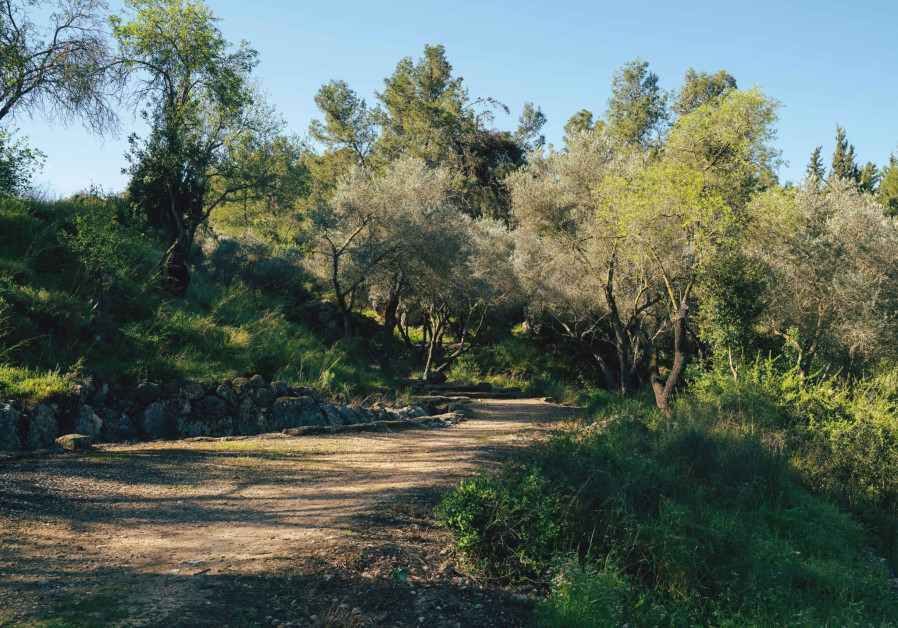
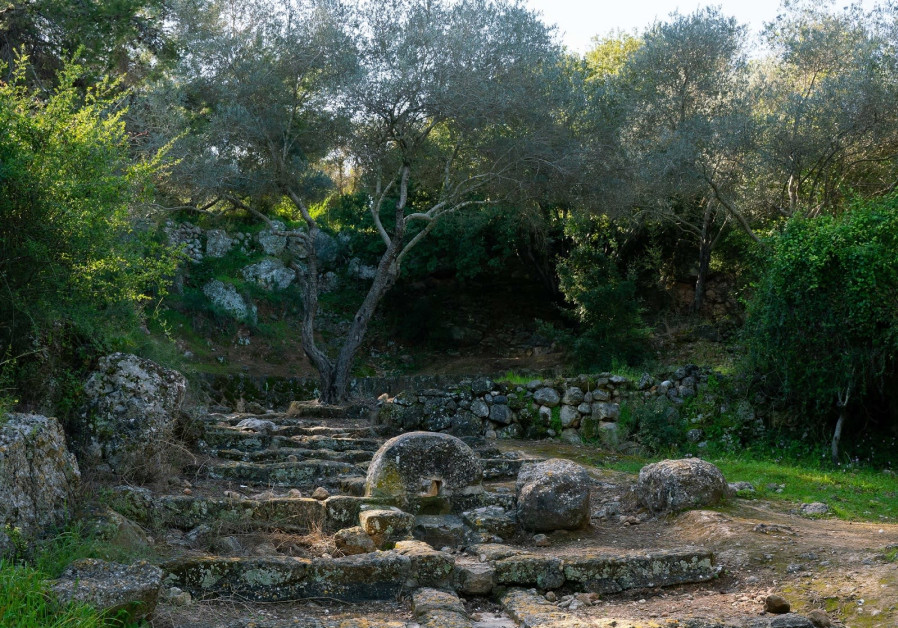
One such attraction is the Emmaus Trail, which begins at the village of Abu Ghosh, about six miles west of Jerusalem, and is set against the picturesque background of the Judean Mountains and their foothills. A draw for Christian pilgrims, the path is believed to be the road on which two of Jesus’ disciples met with him after the Resurrection. Final steps are now being taken to make the path more easily accessible. In addition, tourists will be able to follow new signage and make use of a guidebook especially prepared for walkers of the path.
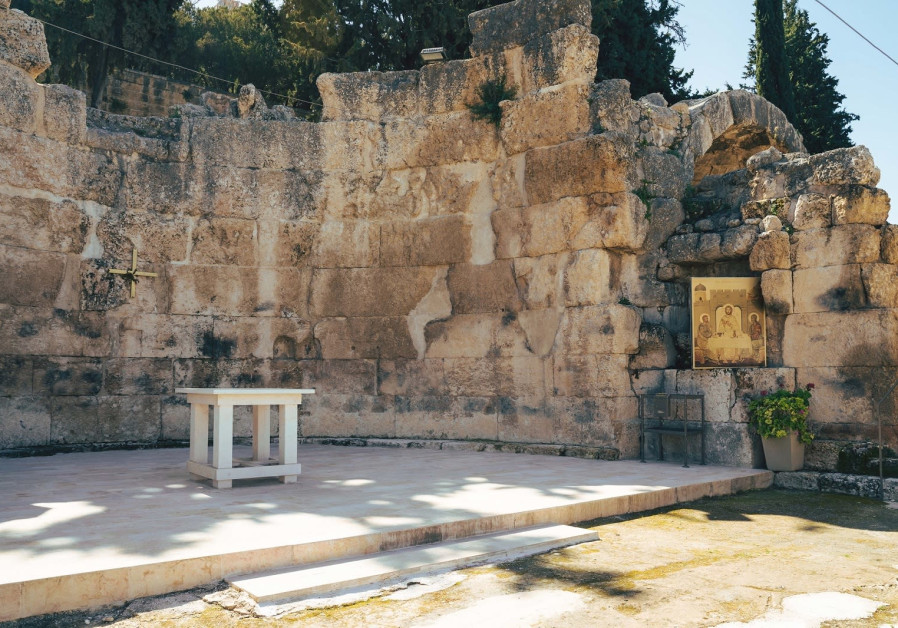
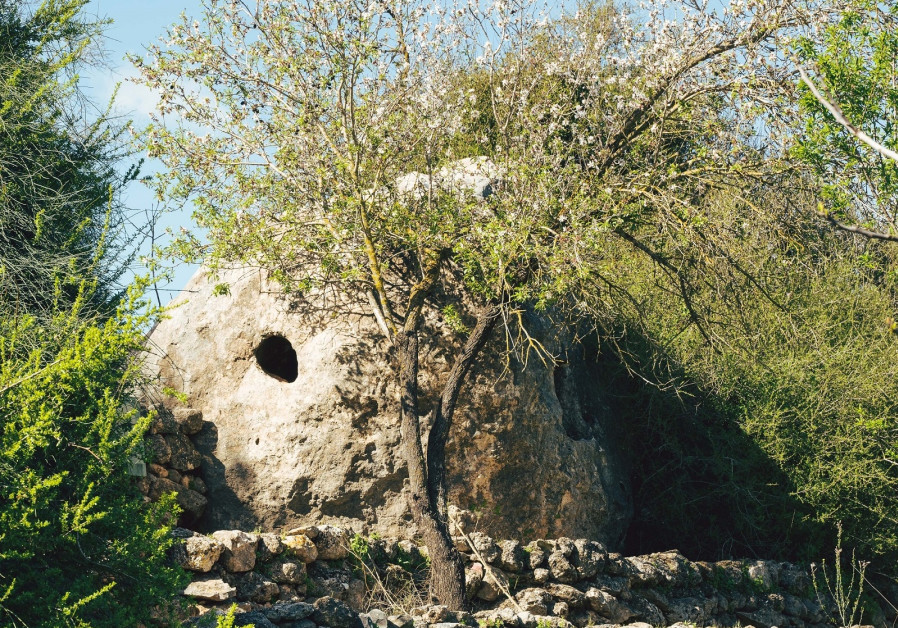
The hike, though, offers more than religious significance. With two Roman-era tombs, an ancient water system, a Mediterranean setting with olive and fig trees, among other sights, tourists of all inclinations will find the path attractive. The route ends at Emmaus Nicopolis, the site of the ancient Roman city where Jesus is believed to have been recognized by his disciples after the Resurrection. Christian visitors will be able to celebrate Mass within the ruins of the Byzantine church.
The hike, though, offers more than religious significance. With two Roman-era tombs, an ancient water system, a Mediterranean setting with olive and fig trees, among other sights, tourists of all inclinations will find the path attractive. The route ends at Emmaus Nicopolis, the site of the ancient Roman city where Jesus is believed to have been recognized by his disciples after the Resurrection. Christian visitors will be able to celebrate Mass within the ruins of the Byzantine church.
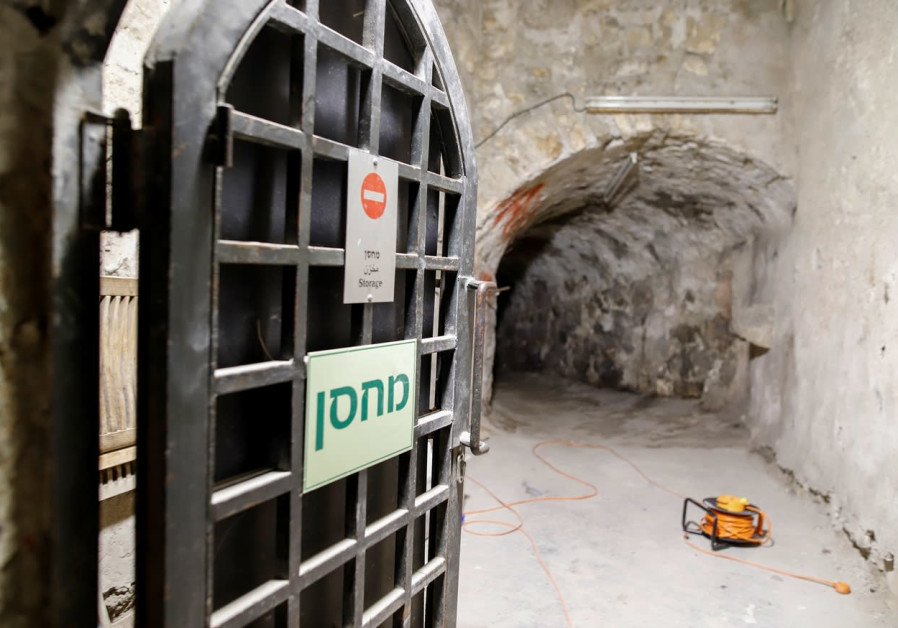
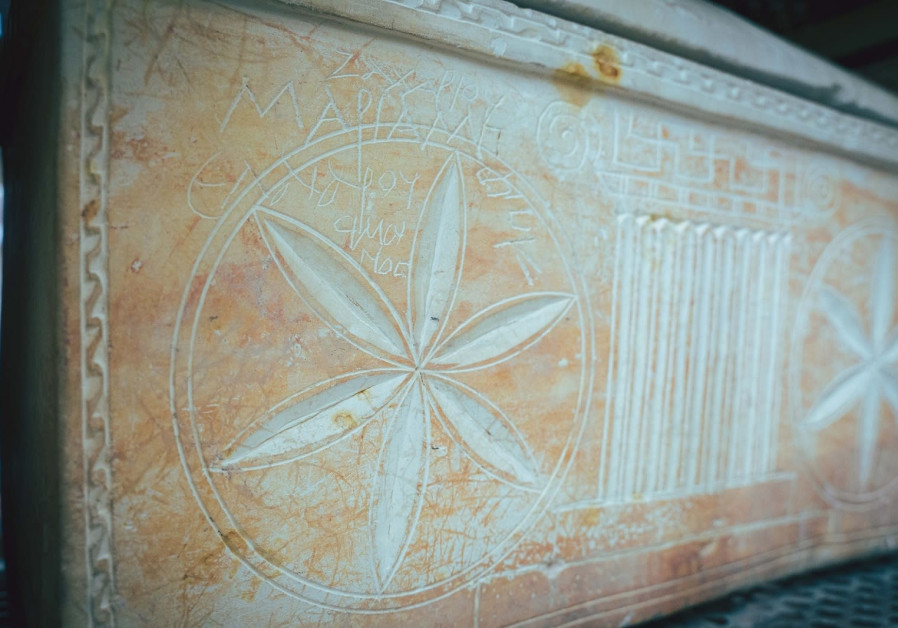
On a smaller scale, the museum also is working to accommodate the requirements of visitors facing a global pandemic. The museum has created three self-guided tours, since most people do not want to be thrust into a crowd of strangers. “Now all of our tours are self-guided, two of the self-guided tours are actually outdoors,” Shapiro-Weiss said.
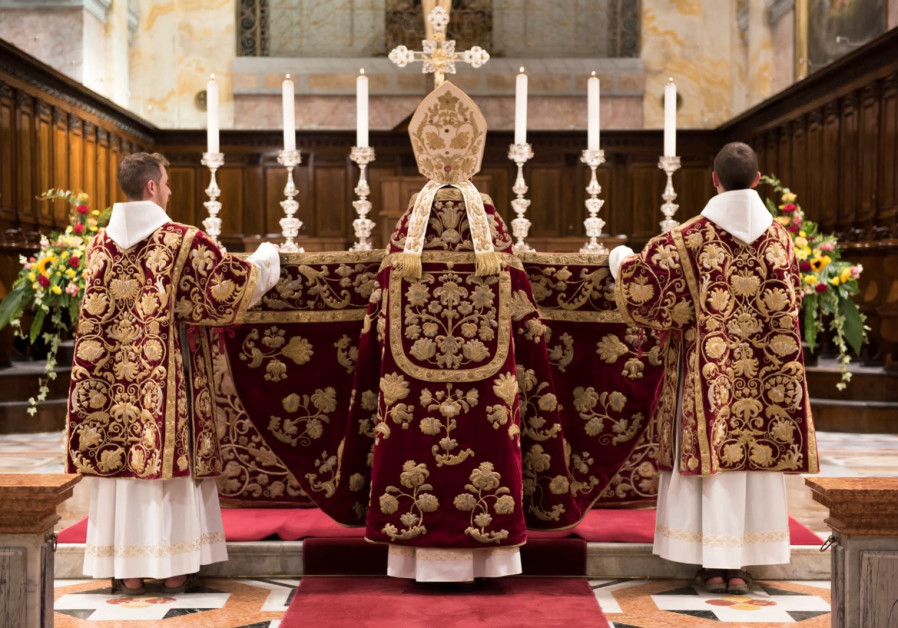
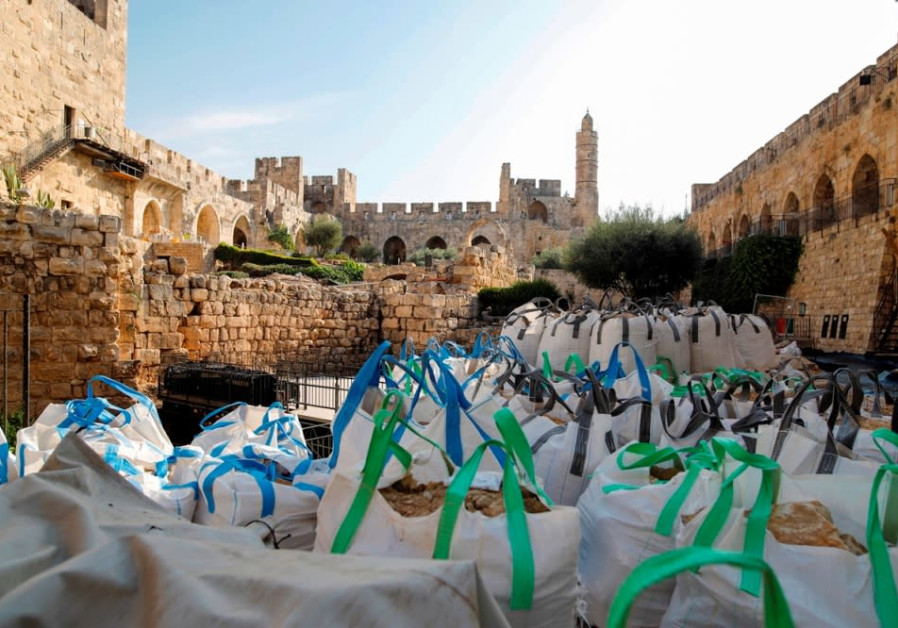
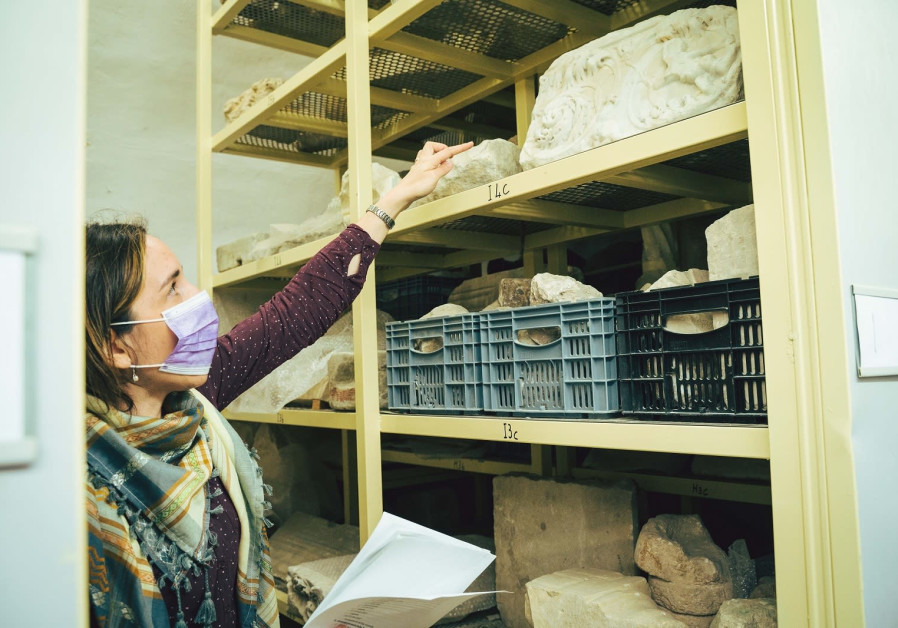
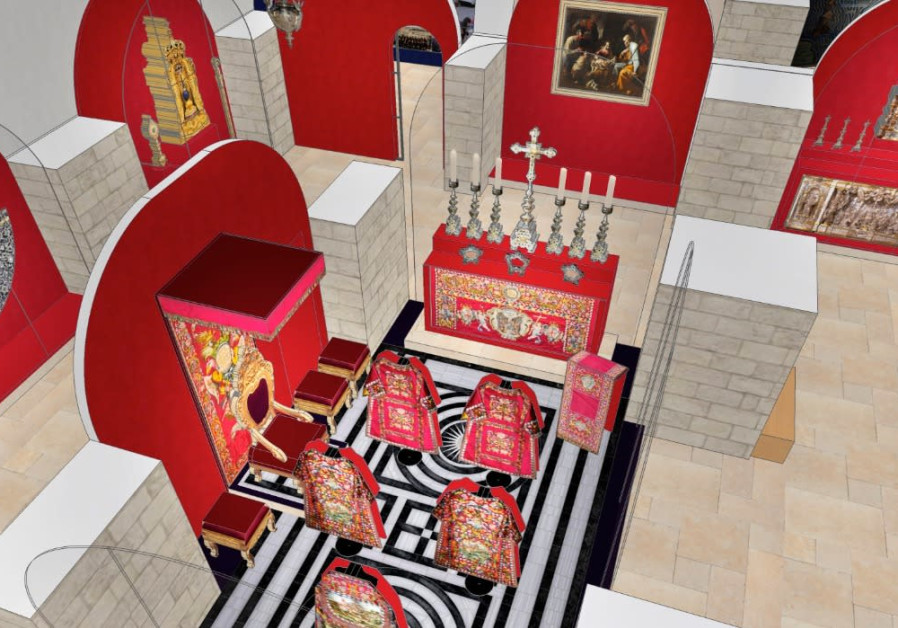
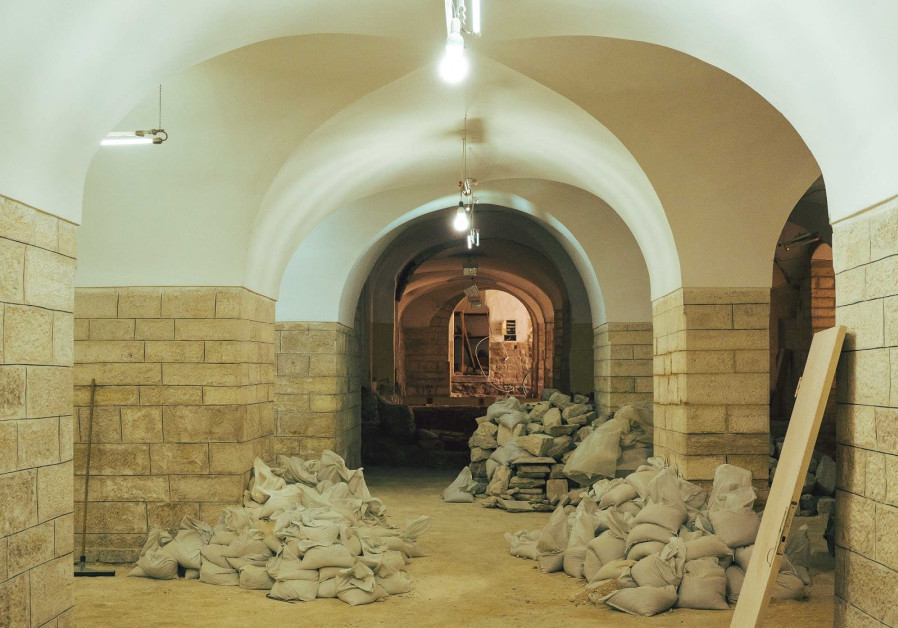
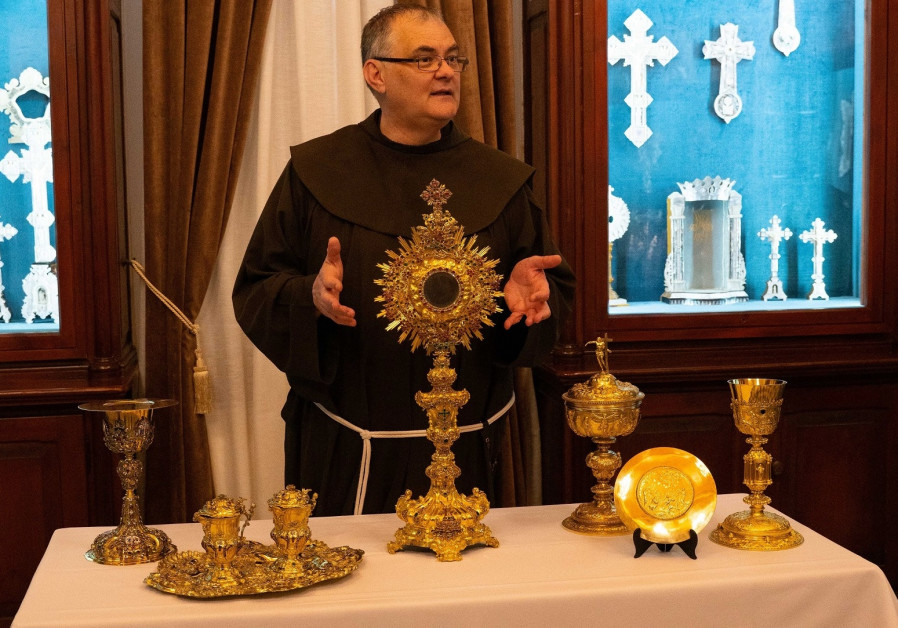
Another site of interest for tourists, and especially Christian tourists, is the Terra Sancta Museum in the Old City of Jerusalem, in which two new sections are currently being constructed. The museum intends to show archeological findings discovered by Franciscan friars in the country, which have never been displayed before. Unique treasures donated to the Franciscan Order over the centuries from all over the world, such as centuries-old French vestments, also will go on display. Father Stéphane Milovitch, the director of cultural properties at the Holy Land Custody, told journalists that since Jerusalem is home to three religious communities, it is important to have a museum dedicated to each community. “We would like besides these museums, to have also a Christian museum of the city,” he said, adding that he hopes that this newly renovated museum will serve that purpose.
But funding issues, stemming from the difficulties created by the coronavirus pandemic, are delaying the museum’s opening. There currently is no fixed date for the opening of the new wing. Sher-Greco explained that there are other projects that also have suffered due to the situation. “There are other projects under construction that are stuck, whether because their suppliers or designers can’t come here, or materials cannot,” she said.
The prevailing uncertainty regarding the expected return of tourists has cast another shadow on these efforts. No official date has yet been set for the reopening of Israel’s skies.
“The Tourism Ministry has submitted a plan, a suggestion to the Ministry of Health, and it is awaiting approval,” Sher-Greco said. The government and the Health Ministry hold all the cards, she said, but added that reopening will probably happen in the summer.
With a majority of Israel’s citizens vaccinated, Sher-Greco says that “we plan to be the first to reopen safely, in a way that will allow the potential tourist to feel safe with regard to health concerns.”