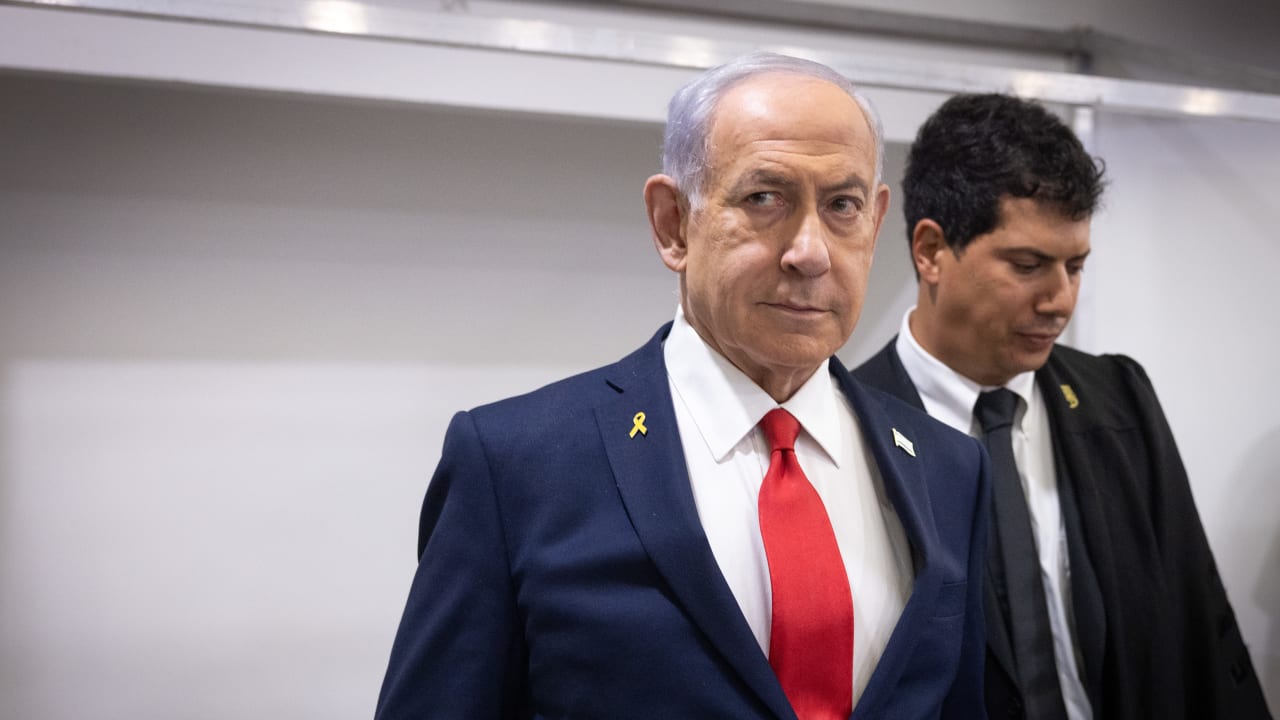
The Netanyahu trial resumed on Wednesday with a pointed exchange over the role online media played in the prime minister’s political strategy.
Prosecutor Yehudit Tirosh spent the morning confronting Prime Minister Benjamin Netanyahu with contradictions between his direct testimony and earlier statements, arguing that he has downplayed how much he relied on Walla’s editorial coverage – despite evidence suggesting he viewed the site as a key political asset.
In Case 4000, Netanyahu is charged with bribery, fraud, and breach of trust for allegedly advancing regulatory benefits for Bezeq in exchange for influence over Walla’s coverage. It is one of three cases – alongside 1000 and 2000 – in the indictment filed in 2020.
Netanyahu insisted on Wednesday that his view of online platforms stemmed from “their massive exposure potential,” saying the internet was important “if you use it in the right way.” Tirosh emphasized that online news, unlike radio or television, is far less regulated and therefore more pliable.
Her challenge centered on inconsistency. While Netanyahu testified on Wednesday that online media was merely a potential tool, he had previously stated – regarding the 2013 and 2015 elections – that he sought online interviews because of their exposure levels. “It wasn’t just potential,” Tirosh argued. “It was the reason and the goal.”
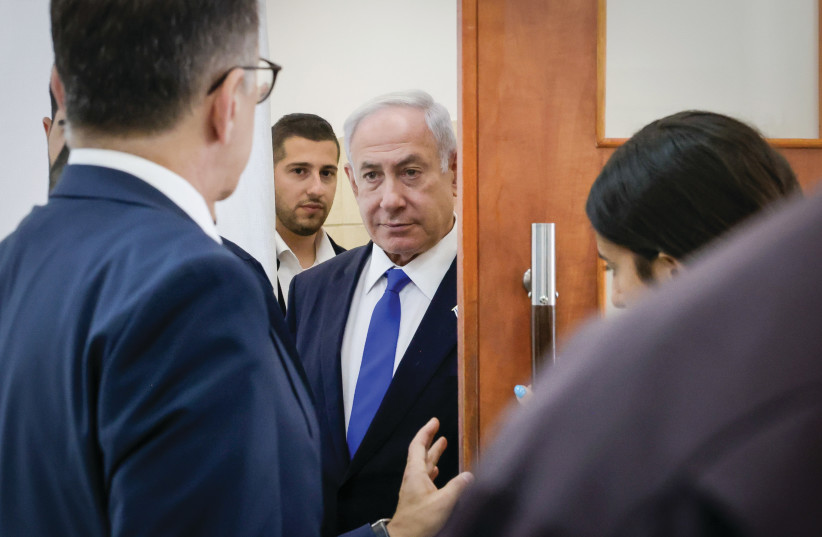
She went further, drawing a distinction between Netanyahu’s stated desire to “diversify right-wing voices” within the media and what she said the evidence shows: interest in favorable coverage for himself, not in broad ideological plurality.
Tirosh asked about Yediot Aharonot and Ynet, then among the most influential online platforms and often critical of Netanyahu. In Netanyahu’s own ranking during his direct examination, he placed Ynet in the middle, below television broadcasts, and Walla at the bottom.
Tirosh argued this portrayal was misleading
Tirosh argued this portrayal was misleading and that Walla was significantly more important to Netanyahu personally than he acknowledged, especially regarding exposure and traffic. “You are someone who recognizes media trends sharply,” she said. “We have a hard time believing you weren’t following the coverage of yourself on these sites.”
She then referred to Netanyahu’s direct testimony, in which he recalled a test run that had been presented to him of Walla’s visitor numbers and the time users spent on the site. “Why would such an insignificant website require a traffic check?” Tirosh asked. Netanyahu dismissed the discrepancy, saying he didn’t remember the check, didn’t involve himself in such matters, and disparaged the indictment.
To counter the defense’s portrayal of Walla as marginal, Tirosh presented contemporaneous figures from former Walla CEO Ilan Yeshua’s testimony, showing the site ranked second in traffic only to Ynet at the relevant time. Netanyahu said he did not recognize those numbers and reiterated that he and his team viewed Walla as inconsequential.
In the courtroom gallery, Likud MK Tally Gotliv attended Wednesday’s hearing, following Environmental Protection Minister Idit Silman’s appearance the day before. Their visits come amid mounting domestic and international pressure to halt the trial, as well as immediate political considerations linked to Likud’s internal elections.
Several times during the hearing, Gotliv called out to the judges – despite court rules prohibiting such interruptions – when Tirosh referred to Netanyahu as “the defendant” rather than “Mr. Netanyahu” or “the Prime Minister.” Presiding Judge Rivka Friedman-Feldman responded tersely: “This is the case.”