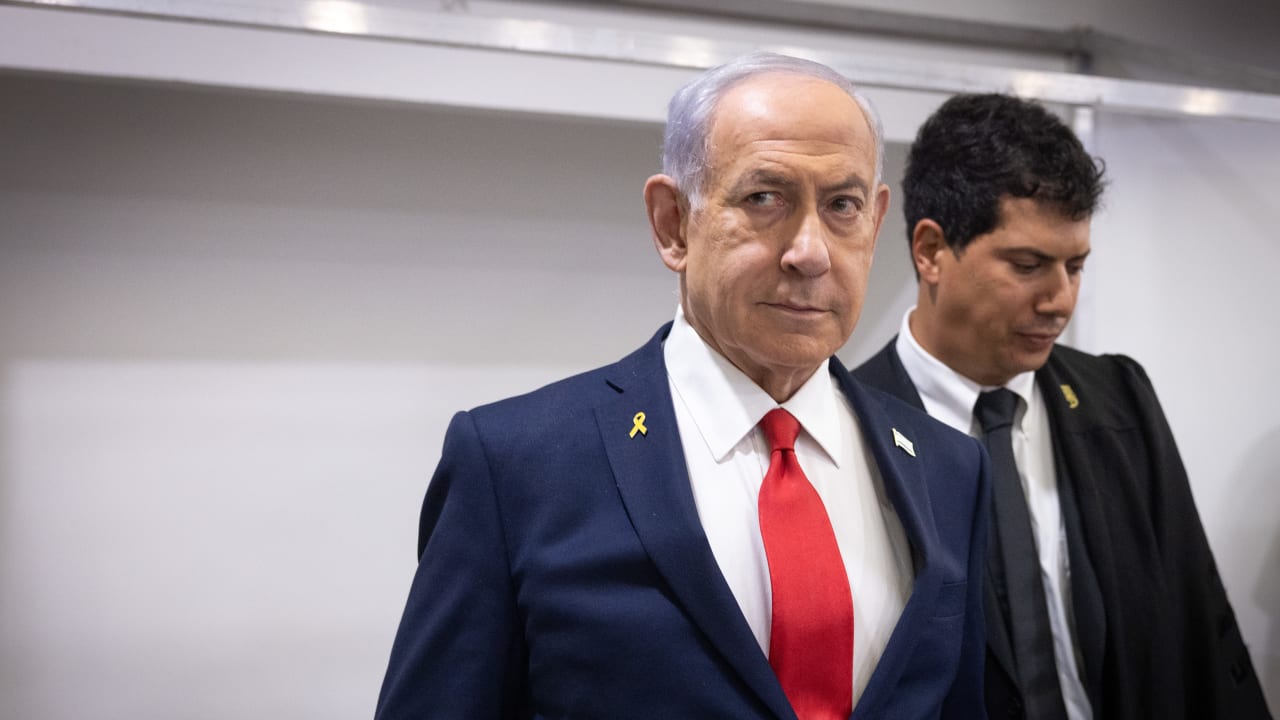
Prime Minister Benjamin Netanyahu finished his first day of testimony on Tuesday in Case 4000, after several hours of questioning by prosecutor Yehudit Tirosh over his relationship with Bezeq owner Shaul Elovitch and the alleged coordination of favorable coverage on the Walla news site.
The hearing centered on the prosecution’s effort to show that Netanyahu valued and sought positive media exposure, forming the basis of the state’s claim that he advanced regulatory benefits for Bezeq in exchange for editorial influence and favorable coverage.
Netanyahu rejected those allegations, saying he never struck any such understanding with Elovitch and arguing that his actions reflected broad policy goals, rather than a media-for-regulation deal.
As a reminder, in Case 4000, Netanyahu is facing a bribery charge for allegedly advancing regulatory benefits for Bezeq in exchange for editorial influence over Walla.
Tirosh opened the hearing by stating that the prosecution intends to demonstrate a pattern of “exceptional responsiveness to requests for coverage,” contrary to Netanyahu’s claims that media portrayal was not a central concern of his.

Throughout the session, the prime minister depicted himself as the target of years of unprecedented negative press coverage.
He said he had worked to “change the media landscape” across print, online, television, and social media. But, Netanyahu argued, these efforts reflected a desire to diversify information sources rather than secure personal advantages.
Tirosh presented posts and public statements that she said demonstrated Netanyahu’s ongoing attention to his and his family’s coverage.
Prosecutor references relations between Netanyahus, news publishers
She also referenced reported complaints by Netanyahu and his wife, Sara, to Israel Hayom publisher Sheldon Adelson and former editor Amos Regev. The prime minister disputed these accounts, saying the conversations focused on broader messaging and policy, not demands for specific stories.
A procedural exchange followed when Tirosh attempted to introduce testimony from Adelson, which presiding Judge Rivka Friedman-Feldman declined to admit at that stage. The judge also instructed the prosecution to adjust the tone of certain questions concerning Sara Netanyahu.
The prime minister briefly left the courtroom while his attorney, Amit Hadad, argued that some of the personal material raised by the prosecution was irrelevant to the indictment. Jacques Chen, the attorney for Shaul and Iris Elovitch, also objected to specific materials, leading to a brief exchange with the bench before arguments continued.
Wednesday’s hearing was canceled after Netanyahu requested a postponement due to what he described as a “security issue” that conflicted with the scheduled session. The judges accepted the request, and the trial will resume next week.