The Court Administration on Wednesday issued its most detailed assessment to date of the legal and operational obstacles Israel faces in prosecuting perpetrators of the October 7 massacre.
The administration cautioned lawmakers that any model they choose – civilian, military, or a special tribunal – will require sweeping legislative changes, substantial budget allocations, and extensive preparation before trials can begin.
The analysis, submitted to the Knesset Constitution, Law and Justice Committee, became the focal point of the discussion as MKs advanced a bill proposing a dedicated tribunal for genocide and mass-atrocity crimes committed during the attack.
While the committee continued to debate the bill itself, the judiciary’s memorandum served as the first comprehensive professional evaluation of what the justice system needs in order to carry out the prosecutions.
October 7 cases unprecedented
The Court Administration’s document warned that the scope of the cases and the unprecedented circumstances of October 7 carry “significant structural, procedural, and security-related implications” that the state must address before any indictments can proceed.
It emphasized that, regardless of the national trauma surrounding the crimes, Israel must maintain the guarantees of a democratic legal system: fair trial standards, transparency, orderly evidentiary rules, and the right to appeal.

According to the memorandum, if prosecutions ultimately take place in the civilian arena, the Beersheba District Court would be the most appropriate venue both because of its proximity to the sites of the attacks and because it can serve as a central hub for a large and complex set of proceedings.
The administration stressed, however, that Beersheba – or any chosen venue – would require substantial reinforcements, expanded infrastructure, and dedicated judicial appointments before cases could begin.
It further laid out an extensive list of logistical and structural demands, noting that the number of indictments issued will dictate how many special judicial panels are needed – whether a single expanded bench or multiple teams.
A consolidated mega-indictment could require synchronized courtrooms, expanded shifts, and specialized judges trained for large-scale atrocity cases.
The administration also warned that courts will need upgraded secure facilities capable of handling high-risk defendants, protected witness areas, and space for significant public and international attention, as the trials will almost certainly draw global coverage.
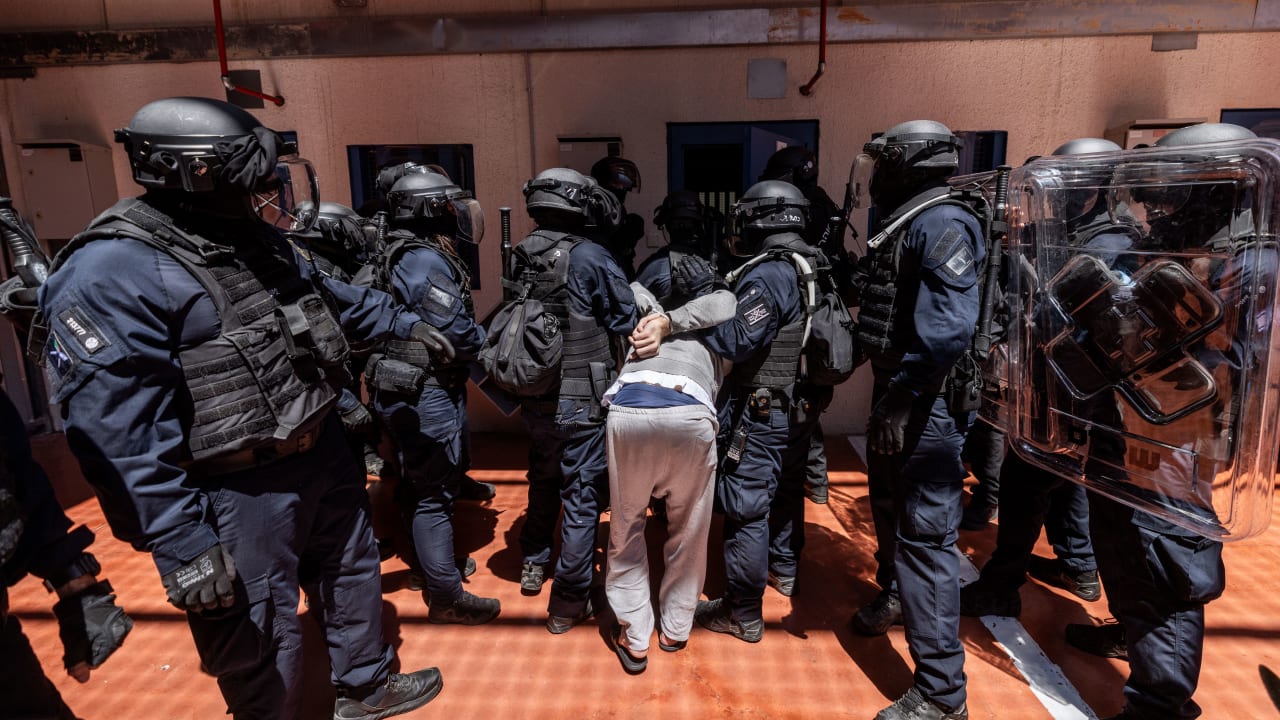
One of the most sensitive sections in the memorandum concerns security and detainee transport.
The document explains that the Israel Prison Service currently provides these functions for military courts, but if responsibility shifts – whether to military police or a hybrid system – new training programs and resources will be required.
Such a shift would also disrupt existing military policing operations, adding further strain.
The document underscores that questions of who guards defendants, transports them, and secures the courtroom are not peripheral details but are central determinants of whether the trials can function at all.
It also lists a series of necessary statutory amendments, including making changes to judicial appointment mechanisms for special panels and updates to evidentiary and procedural law.
Without these changes, it warned, core elements of the trials could be legally vulnerable.
The Court Administration, along with the prosecution, outlined three options for structuring the indictments: first, one broad indictment covering all the attackers; second, a hybrid model beginning with a unified indictment and later splitting cases by operational zone; or, third, dozens of individual indictments per community or site attacked.
The memorandum signaled the judiciary’s openness to the first two models, emphasizing that centralizing the early proceedings would conserve resources and create a coherent factual record of the massacre.
It acknowledged, however, that cases involving attackers who moved between multiple locations will need careful legal design to maintain a clear narrative across different crime scenes.
A note of caution in the document is its assessment that even after lawmakers decide on a framework, the judiciary will still need weeks or months of preparation to ready the system.
It added that some military courts, such as the Lod military court, have not been operational for years and would require a complete rebuild of infrastructure, staffing, and procedures.
The idea that trials could begin quickly under existing mechanisms is described as unrealistic.