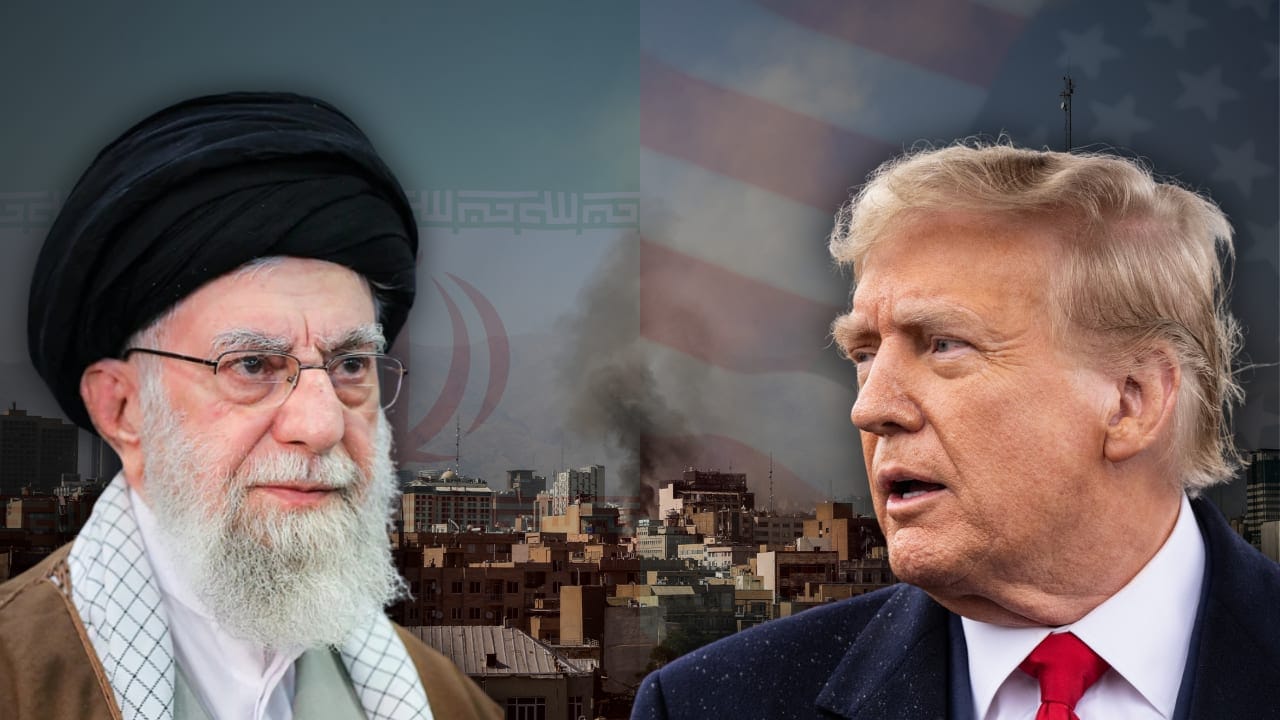
A majority of both Jews and Arabs believe that Israel’s security is a key consideration for US President Donald Trump, according to an Israel Democracy Institute (IDI) poll released Monday.
The survey, conducted by the Viterbi Family Center for Public Opinion and Policy Research at the IDI between June 29 and July 2, 2025, involved a sample of Israelis aged 18 and older, with 603 Jewish respondents and 150 Arab respondents.
The poll showed more Jewish Israelis believed Trump was focused on Israel’s security at the start of Operation Rising Lion than Arab Israelis. Following the US strike on Iran’s nuclear facilities, this belief stayed the same, with no additional increase among Israelis.
When asked whether Israel had achieved its goals in the conflict with Iran, a notable difference was seen between Jews and Arabs. Sixty percent of Jewish respondents believed that Israel had met most or all of its objectives, while only 37% of Arabs agreed.
Personal security perceptions after Iran war
The survey also revealed a significant difference in how the two groups perceive personal security after Operation Rising Lion. Among Jewish respondents, 46% reported feeling highly secure in June, up from 37% in May and only 26% a year earlier.

In contrast, only 14% of Arabs reported feeling secure, a sharp decline from 24% in May, returning to the low levels seen a year ago.
IDI researchers suggested that these differences could be due to insufficient protection against Iranian missile strikes in Arab communities in comparison to Jewish areas. Additionally, the increased levels of violent crime in Arab communities might contribute more to their sense of insecurity than external threats to Israel overall.
Protective structures, security concerns in Arab communities
The survey also revealed significant gaps in access to shelters and protective structures. About one-third of Arab respondents reported a lack of protective structures in their communities, compared to only 5.5% of Jews.
A strong majority of Arabs supported redirecting government funds to improve protection for Arab communities, while the proposal received mixed support among Jews.
Gaza ceasefire and regional peace prospects
Jewish respondents were also found to be more optimistic about the prospects of a Gaza ceasefire and the potential for a regional peace initiative.
Fifty percent of Jews expressed confidence that a deal to end the war in Gaza and secure the release of hostages was likely, with a significant portion viewing the chances as “fairly high” or “very high.”
In contrast, fewer than half of Arab respondents believed that both a ceasefire and a broader regional peace process were realistic goals.
Divided views on election timing
Lastly, the Israeli public remains divided over the timing of the next elections. Forty-seven percent of respondents believe elections should take place as scheduled in November 2026, while 42.5% prefer earlier elections.
While 53% of Jewish respondents favor the original election date, 57% of Arab respondents call for elections to be held as soon as possible.