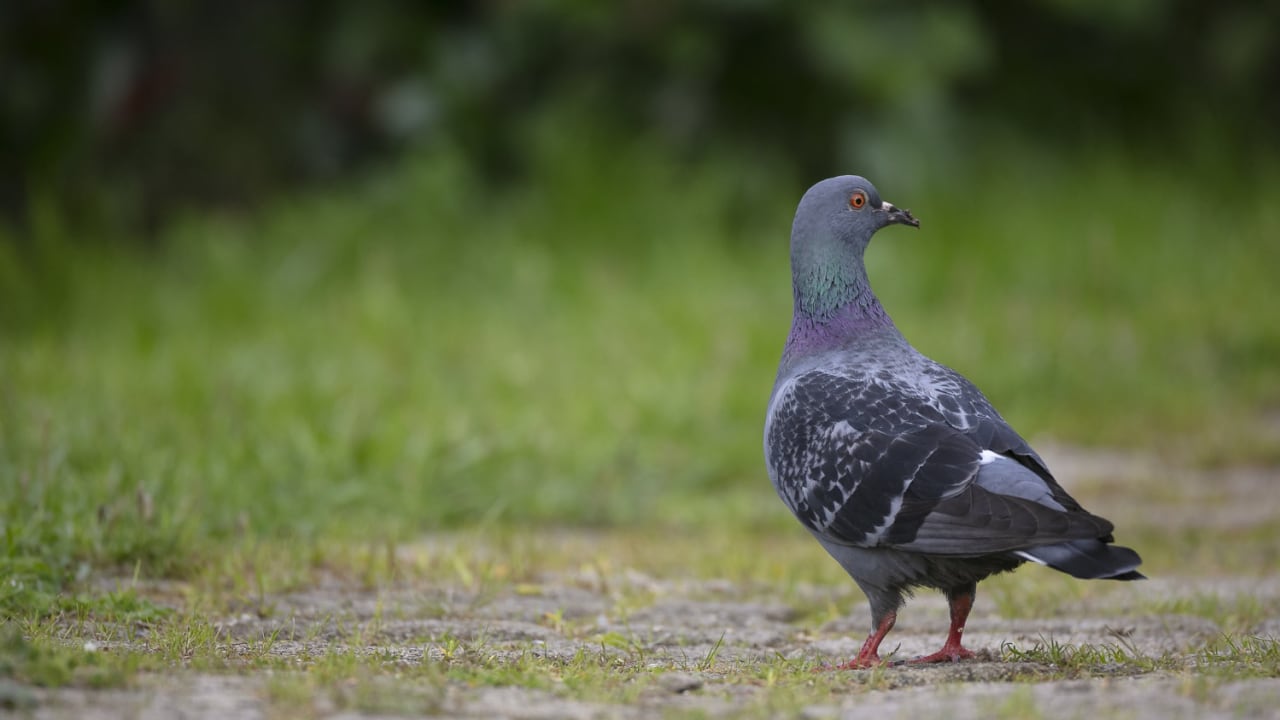
Russian neurotech company Neiry announced the early real-world trials of its "bio-drones," live birds that have had neural interfaces implanted and a platform to guide them, in December.
The tests, conducted by teams in offices in Dubai and Moscow, with flight evaluations in Russia and nearby countries, aim to use biological carriers that mechanical drones struggle with in terms of range, weight, or endurance.
According to the company, the system ‘nudges’ birds toward preset routes while filtering identifiable details on-device to meet local privacy rules.
The initial pilots use pigeons fitted with a small controller, back-mounted solar panels, and a camera similar to a security or stoplight cameras.
Neiry’s mission is listed on the site as “Viva Homo Perfectus: Advancing the next stage of human evolution with neurotechnology.”

The term ‘Homo Perfectus’ refers to a transhumanist concept focused on enhancing the human body and overcoming biological limitations through technology.
Potential military use and Neiry's connection to Putin
While the company insists its mission is purely to serve utilities, logistics, agriculture, and emergency response, the potential to adapt the technology for military use is hard to ignore.
James Giordano, Pentagon science adviser and professor emeritus of neurology at Georgetown University, told Bloomberg that the “bio-drones” could, in theory, easily be used to transmit diseases into enemy territory.
Neiry has also tested electrode implantation on cows, testing stimulation programs to stabilize milk yield by modulating appetite, stress, and activity, with procedures performed in a mobile neurosurgical unit to reduce costs and time to about 30 minutes.
Looking deeper into the company’s history, T-Invariant, an independent anti-war outlet founded by Russian scientists, found that one of Neiry’s major investors is the National Technology Initiative, a Russian NGO established by a decree of former prime minister Dmitry Medvedev on President Vladimir Putin's instructions.
The group was found to have invested some 360 million rubles ($4.7m) in 2021.
Additional investments were linked to Kremlin-backed sources, including those of oligarch Vladimir Potanin’s Interros.
The company has denied any links with the Russian government.