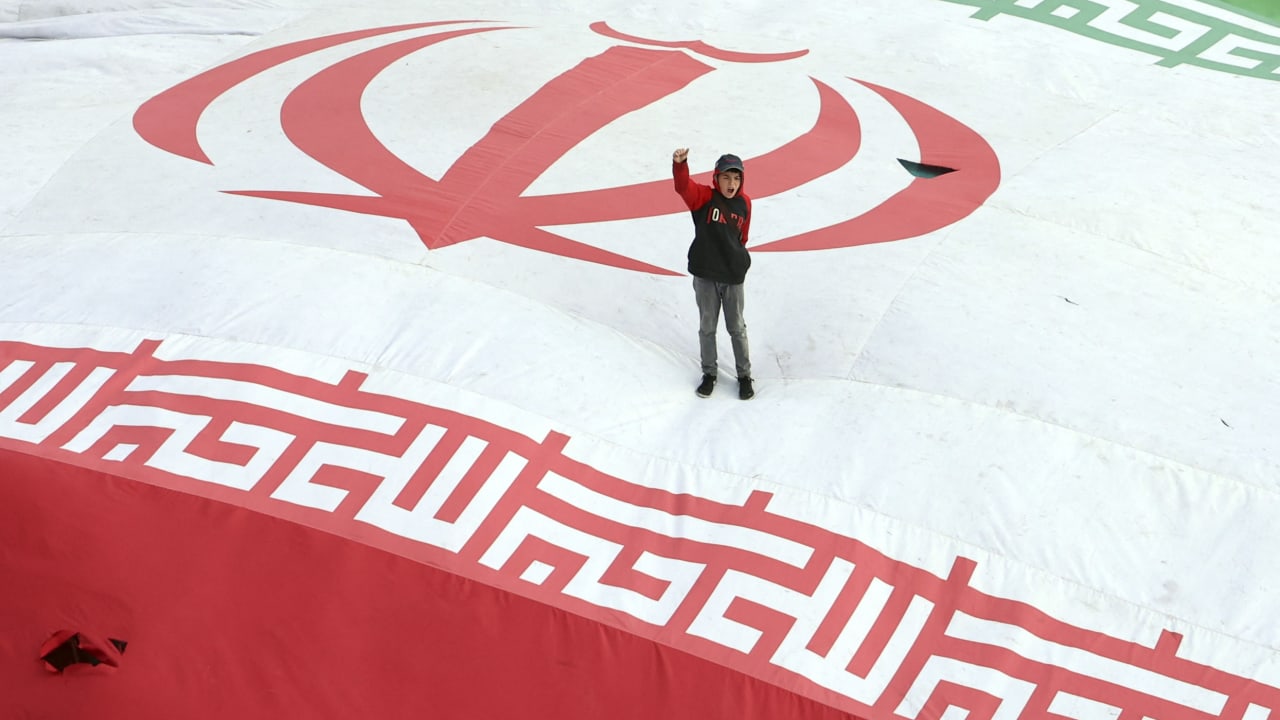
The instinctive reaction to the recent war is simple: We did not win.
There was no decisive victory. No regime change in Tehran. No full dismantling of the nuclear program. No complete collapse of the proxy axis. Instead, we saw a ceasefire, external mediation, and an uneasy return to “stability.”
But this framing misses the point. Modern wars are no longer defined by absolute outcomes. They are defined by shifts in reality.
The only question that matters is this: Has Israel’s geostrategic position improved? The answer is yes. But it comes with a warning.
Before addressing strategic gains, we must acknowledge internal failures.
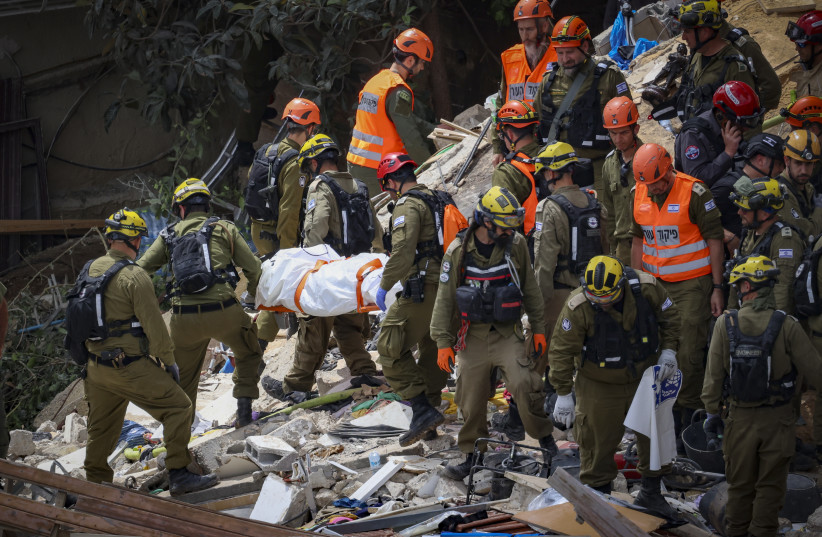
Years of neglect left Israel’s border communities exposed. Civil resilience weakened. National cohesion eroded. The military, once a unifying institution, no longer reflects the entire society. Strategic communication to the world has been inconsistent and often ineffective.
These are not marginal issues. They directly affect long-term national power.
Yet despite these weaknesses, the war produced tangible external gains. Israel demonstrated deep operational reach. Iranian infrastructure was damaged. Capabilities were degraded. The balance shifted. A month and a half ago, few would have predicted such an outcome.
At the same time, Israel’s global position evolved. It is increasingly viewed as a stable, capable partner in a volatile region. This creates opportunities for new economic and security alliances, particularly with pragmatic actors in the Gulf and beyond.
Alongside these achievements, one must also recognize the scale and quality of the combined US-Israel military effort. The level of coordination, synchronization, and operational integration between the two militaries was exceptional, arguably the most advanced ever demonstrated between allied forces. This was not only about striking Iran. It reflected a broader strategic alignment.
The United States, while committed to countering Iran, is simultaneously preparing for a potential large-scale confrontation with China. This campaign provided a real-world environment for force training, joint operations validation, and system testing under combat conditions. It also served broader strategic goals, including pressure on China’s energy dependencies and limiting its growing access to critical resources from Iran.
In that sense, the war was not a single-theater event. It was part of a wider global competition.
But this is where most analyses stop. This is also where the real risk begins.
Because Iran does not need to win militarily to win strategically. It needs time. And it needs money.
Emerging arrangements around the Strait of Hormuz highlight this risk with alarming clarity. Roughly 100 to 130 vessels transit the Strait daily, amounting to approximately 30,000-35,000 ships annually. If Iran were to extract even a $2 million fee per transit, this would generate between $60 billion and $70b. per year, flowing directly into the regime’s hands.
Within less than four years, this would accumulate to between $200b. and 280b.. This is not a side effect. This is a strategic engine. Such capital allows Iran to rebuild faster than it was degraded.
It funds military reconstitution, accelerates technological programs, and sustains proxy networks across multiple theaters. In effect, the world risks financing the next war while believing it has stabilized the current one.
This is why measuring victory only through military outcomes is insufficient. Economic structures determine long-term strategic reality. If Iran retains control over global energy chokepoints and monetizes them, then any tactical gains achieved during the war will erode over time.
The implication is clear. If the post-war system enables Iran to generate massive, stable revenue streams, then the strategic balance will eventually tilt back in its favor.
Therefore, the next phase is not military. It is structural. The priority must be to neutralize Iran’s ability to leverage geography into sustained economic power.
This requires large-scale, coordinated initiatives. One example is the concept of bypassing the Strait of Hormuz entirely, through alternative infrastructure corridors. A direct maritime route connecting the Persian Gulf to the Arabian Sea via Oman, though technically complex, represents the kind of strategic thinking required.
Such a project would not only remove Iran’s leverage but also stabilize global energy markets and reduce systemic risk.
More broadly, Israel, the US, and regional partners must treat economic denial as a central pillar of strategy, not as a secondary consideration.
Sanctions alone are insufficient. Structural alternatives must be built.
In parallel, Israel must address its internal vulnerabilities. Strengthening border regions, rebuilding social cohesion, reforming national service frameworks, and establishing a credible global narrative are not domestic luxuries; they are strategic necessities.
Victory in modern conflict is cumulative. It is measured over years, not days.
If one defines victory as total and immediate resolution, then this war did not deliver it. If one defines victory as a measurable improvement in strategic position, then Israel achieved it.
But if the current trajectory allows Iran to convert economic leverage into long-term power, then that victory will not hold.
The war may be over. The outcome is not.
Now begins the phase that will determine whether the gains achieved will endure, or whether they will quietly reverse under the weight of economic reality.
Those who fail to act now will not be judged by how this war ended but by how the next one begins.