
Right now, stop everything, turn to those next to you and ask them this question: After whom is the State of Israel named? There is a chance you will get the correct answer, but you might also encounter an awkward silence.
Well, “Israel” is the new name of Jacob our patriarch, which was given to him by the angel who wrestled with him before he met Esau. Jacob defeated the angel – who informed him that he would now be called Israel. “And he said, Your name shall no longer be called Jacob, but Israel” and then came the explanation: “For you have striven with God and with men and have prevailed” (Genesis 32, 29).
The meaning of the word “striven” is most likely “wrestled” or “struggled”. And after Jacob became Israel, so too were his descendants called “the Children of Israel” and the name of the people and the land in general.
But Israel is just one example: When we travel, it is always interesting to discover the origin of the names of different places and sites. But there are cases in which the name of a place tells the story of a person whose influence was so significant that an entire country is named after them. And these people can be rulers, freedom fighters, religious figures and even mythological figures. Here are a few examples.
Kiribati
The name “Kiribati” is derived from the name of the British captain Thomas Gilbert, who sailed across the Pacific Ocean during the 18th century. Until the country’s independence, the islands were called the “Gilbert Islands”. However, with the declaration of independence, the name was translated into the local language and became “Kiribati” – pronounced “Kiribas”. It is interesting to note that the name underwent a creative linguistic change, which included replacing the G with K.

Bolivia
Bolivia is an interesting example of a country named after a leader. It was named after Simón Bolívar, who played a central role in the liberation of South America from Spanish rulers. The country gained independence in 1825, and the fact that it is named after Bolívar expresses the man’s high status and historical importance – a characteristic phenomenon of countries that emerged following decolonization processes.

Saudi Arabia
Unlike other countries, Saudi Arabia bears the name of a royal dynasty rather than a single person. The country is named after the ruling family – the House of Saud. The name “Saud” is derived from the name of the founder of the dynasty, Muhammad ibn Saud.

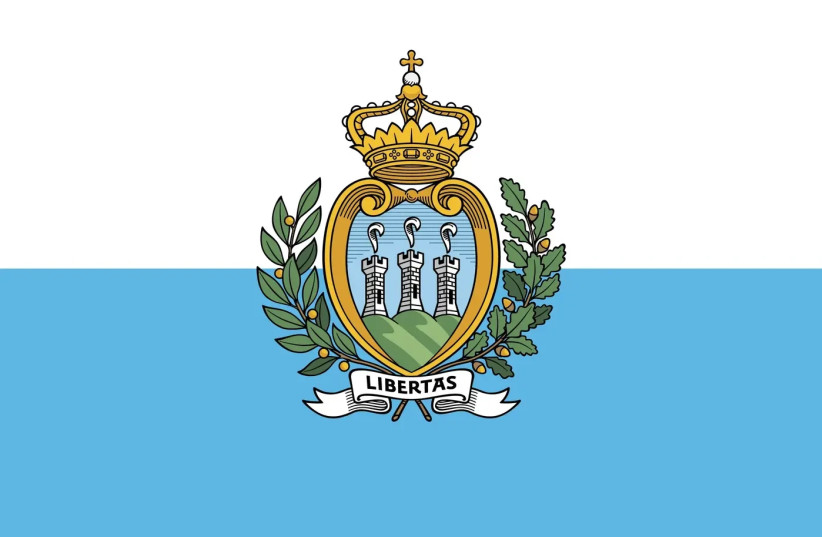
San Marino
San Marino in Europe – which is one of the smallest countries in the world – is named after Saint Marinus, a stonemason who founded a monastery on a mountaintop in 301 AD. Over the years, the small religious community became one of the oldest republican forms of government that still exist today.
Cambodia
According to a common belief, the name Cambodia is derived from the word Kambojadeśa, meaning “Land of the descendants of Kambu Swayambhuva”. According to legend, this refers to a sage who created the Khmer nation. This is one of the unusual names on this list, as its origin is not in a historical person but in mythology.

Russia
The term “Russia” is derived from “Rus” – most likely the name of a tribe or a legendary figure who helped found Slavic civilization. So yes, it is a legend, but it illustrates how myths continue to shape the names of countries to this day.

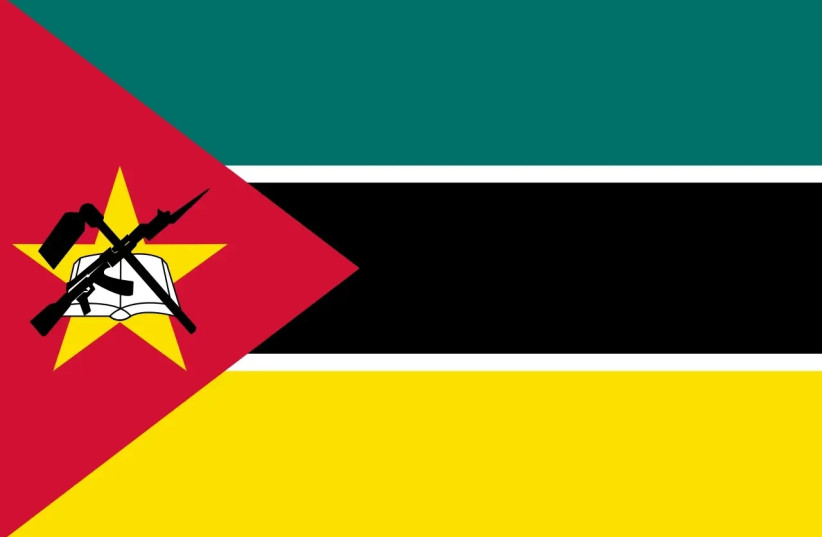
Mozambique
It is customary to link the name Mozambique to Musa bin Bique, a wealthy and influential trader who ruled the island of Mozambique before the arrival of the Portuguese conquerors. While many countries received their names from kings or saints, Mozambique presents a unique and fascinating case. Its name indicates the importance of trade networks and the influence of maritime trade in shaping the identity of a community.
Mauritius
The island of Mauritius received its name after Dutch settlers who explored the area decided in 1598 to commemorate the Dutch prince Maurice, Prince of Orange (Mauritius, in Latin). After the island passed under French and British rule, the original Dutch name was restored.

The Philippines
The Philippines are named after Philip II, King of Spain. The name was given by Spanish explorers during the 16th century. And although the islands passed under the rule of various cultures, the name has been preserved to this day.
