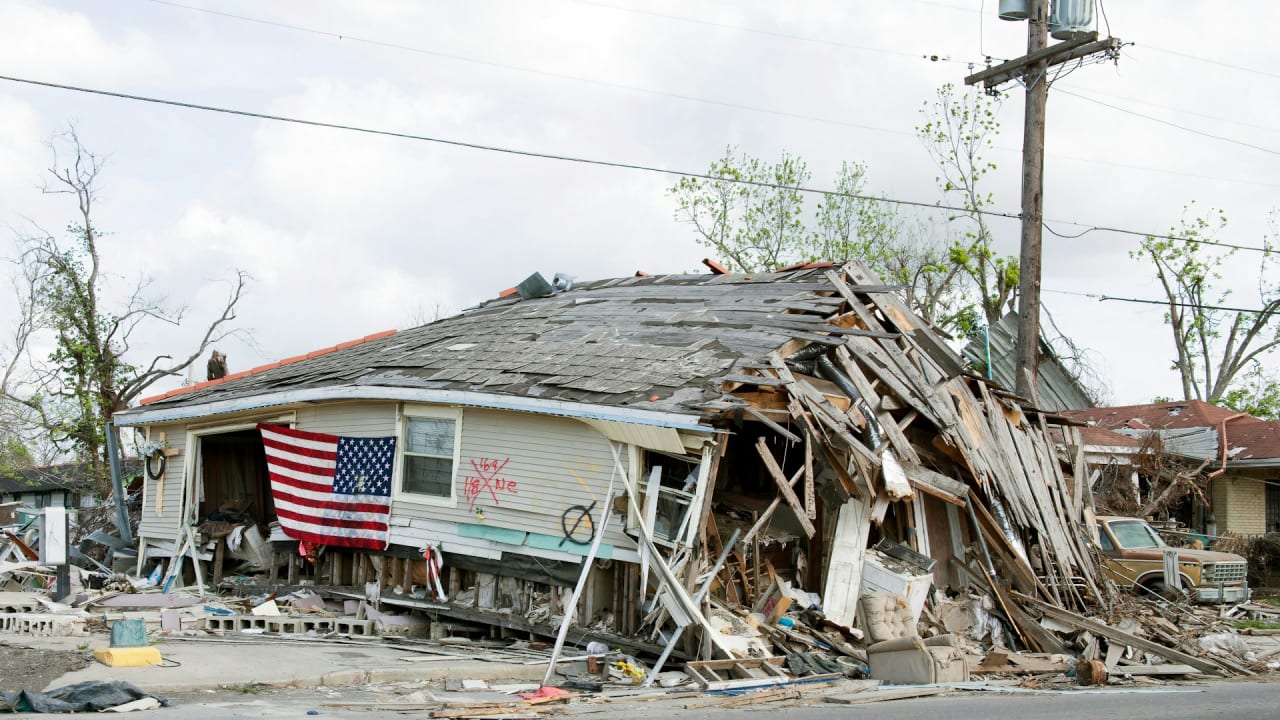
For the Gulf Coast, hurricanes are not just weather events; they are legal catalysts. The aftermath of a major storm like Ida or Katrina creates a parallel disaster in the civil justice system, generating a surge of litigation with unique characteristics. This "disaster-driven litigation" arises from the chain of failures and decisions made before, during, and after the storm. It moves beyond simple fender-benders to encompass claims against insurers, governments, utilities, landlords, and businesses, creating a complex legal landscape that can take a decade or more to fully resolve. This article explores the distinct types of claims that flood courtrooms after the floodwaters recede.
The First Wave: Insurance Bad Faith and Coverage Disputes
In the immediate aftermath, the most widespread legal battles are with insurance companies. Homeowners and businesses face carriers who delay, underpay, or deny valid claims under homeowners, flood, or business interruption policies. Adjusters may be overwhelmed, leading to lowball offers based on inadequate inspections. Insurers might wrongly attribute damage to flooding (which requires a separate policy) rather than wind or rain entry (covered under a standard policy). These disputes lead to a spike in "bad faith" insurance lawsuits, where plaintiffs allege the insurer acted unreasonably in handling their claim. The volume of these cases often requires courts to establish special expedited dockets.
Infrastructure and Utility Failure: Suing for Systemic Neglect
When levees, pumps, or electrical grids fail, the resulting litigation asks who is responsible for maintaining critical infrastructure. Cases against municipal drainage boards (like the Sewerage and Water Board of New Orleans), utility companies (like Entergy), or federal agencies (like the Army Corps of Engineers) allege that negligent maintenance, poor design, or lack of preparedness led to preventable flooding and power loss. These are high-stakes, complex cases often involving principles of sovereign immunity and requiring plaintiffs to prove government entities knew of specific vulnerabilities and failed to act. Success can force billion-dollar upgrades and policy changes.
Premises Liability in Collapse and Evacuation
Hurricanes create dangerous property conditions. Litigation arises from:
- Building Collapses: Against landlords, hotel owners, or construction companies for structures that failed due to substandard materials or code violations.
- Injury During Evacuation or Shelter: Accidents that occur on poorly maintained evacuation routes or in designated shelters that become hazardous.
- Post-Storm Injury: Such as electrocution from downed live wires on a property, or falls from debris that a business failed to secure. These cases hinge on the property owner's duty to maintain safe conditions, a duty that extends through the disaster cycle.
Automobile Accidents in Extreme Conditions
Car accident claims spike during evacuations and in the chaotic days following a storm. Causes include:
- Driving through Floodwaters: Leading to vehicle loss and claims over whether a driver was negligent or following official advice.
- Accidents with Emergency and Recovery Vehicles: Involving police, National Guard, or utility trucks operating under high-pressure conditions.
- Collisions Due to Missing Traffic Signals, Debris, or Poor Visibility. Determining fault in these scenarios is uniquely challenging, as normal traffic laws are applied to profoundly abnormal conditions.
A New Orleans car accident lawyer who has navigated these post-disaster years understands the layered complexity. "After a hurricane, a car crash isn't just about two drivers," they explain. "It might involve a city that didn't clear a tree from the road, a utility company that left a live wire dangling, or an insurance company that forced someone to drive across town for an inspection. Our investigation has to look upstream at all the decisions that created the hazardous environment."
The Long Tail: Business Interruption and Economic Loss
Finally, there is the long-term economic litigation. Businesses sue suppliers, landlords, or contractors for failures that led to prolonged closure. Class actions may form on behalf of residents or business owners who suffered similar economic losses due to a single entity's negligence (e.g., a prolonged power outage caused by a utility's failed grid). These cases seek to recover not just property damage, but lost profits and economic vitality, attempting to quantify the ripple effect of a disaster on the entire regional economy.
Disaster-driven litigation is a testament to the Gulf Coast's resilience and its demand for accountability. It is the arduous process of dissecting a catastrophic event to assign responsibility, compensate victims, and, ideally, build a more resilient system before the next storm arrives. For those living in hurricane-prone regions, understanding this legal landscape is part of the essential preparation for the inevitable.