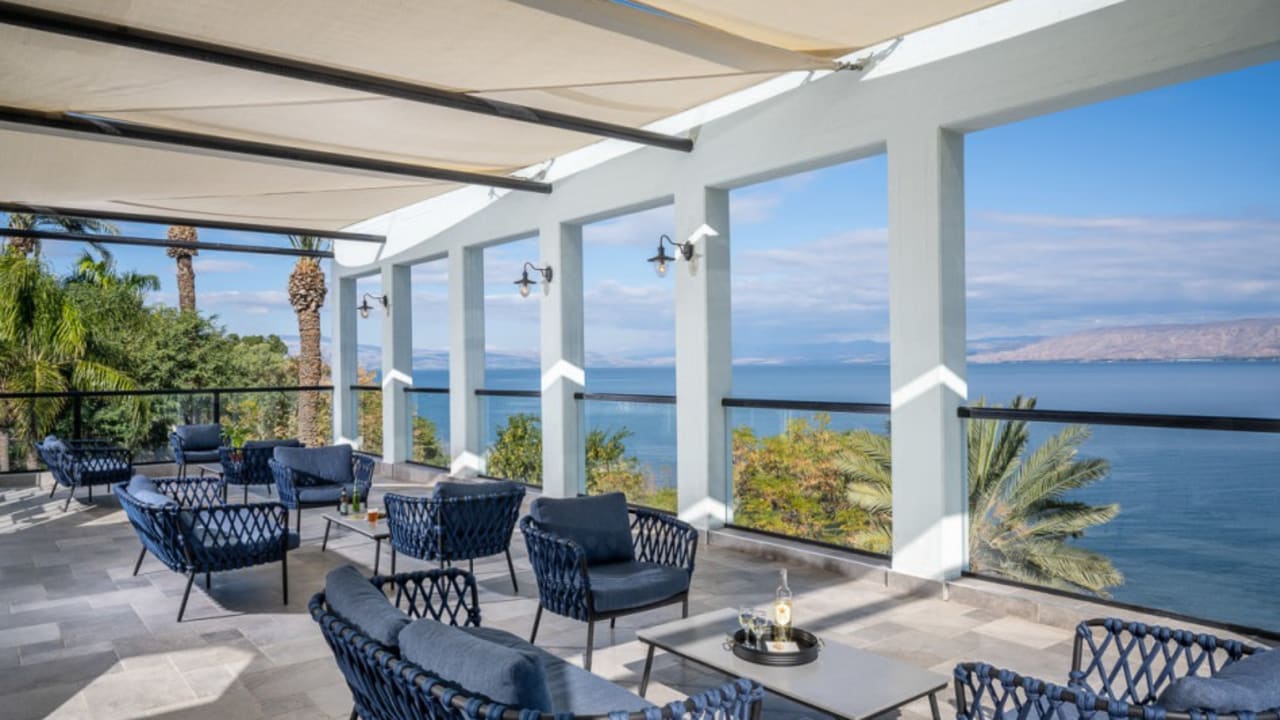
At a time when the Israeli hotel industry is facing heavy challenges in the field of inbound tourism, the Jacob chain is making a bold move: An investment of NIS 35 million in two properties that represent an interesting trend in the Israeli market.
In recent weeks, the chain has purchased two hotels that are entirely different in character – the Ohalo Hotel on the shore of the Kinneret and the Mitzpe Ramon complex (formerly Selina). The move indicates a change in strategy: Instead of focusing only on acquiring urban or spa properties, the chain is turning toward nature and travel experiences.
A Bet on Israelis
The move comes at an interesting timing. While hotel chains have been coping with zero foreign tourists for two years now, the Jacob chain is investing in a sector that relies mainly on Israeli travelers. Jacob Mitzpe Ramon, which includes 32 rooms and 12 glamping tents, represents exactly what Israelis are looking for this year – a vacation close to home with a taste of adventure.
The major investment in the Ohalo Kinneret Hotel tells a similar story. The renovation, at a cost of NIS 35 million, includes the addition of 12 rooms, a large swimming pool, and a luxurious spa – all aimed at the local audience seeking a quality vacation without flights abroad.

Assaf Ben Dov, Deputy CEO of the Jacob chain, describes the move as an expansion of target audiences: “Until now, the hotels in the chain were divided into two categories: Spa resorts and urban hotels. The addition of these two brings into the mix hotels for nature and hiking lovers as well.”
The question is whether this marks the beginning of a broader trend in the Israeli hotel industry. While many airlines have still not returned to Israel and hotels in Tel Aviv are struggling with low occupancy, could the future of Israeli tourism lie in nature and authentic experiences?
The Jacob chain, which began operating in 2013 and now numbers nine hotels from Eilat to the Golan Heights, looks like an interesting test case for this question. The heavy investment in these two new properties will show whether its bet on the needs of the Israeli market proves accurate.