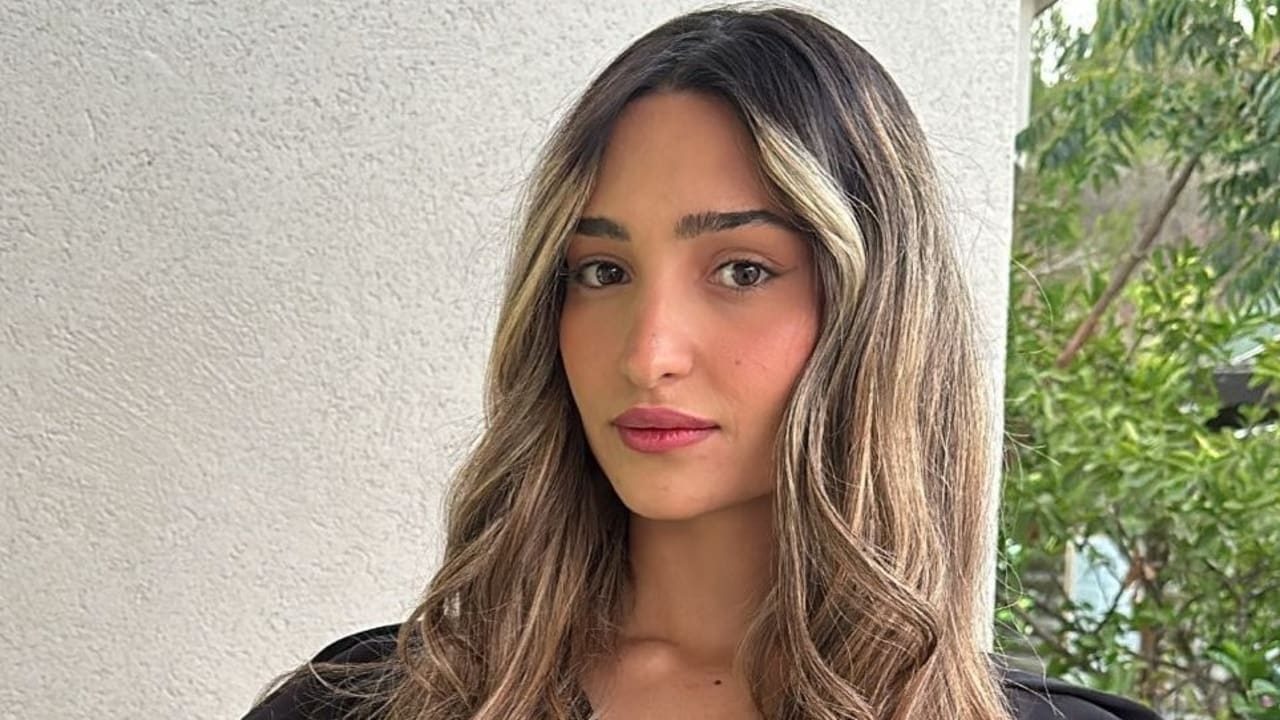
In the bustling halls of Reichman University in Herzliya, three Druze students are channeling their academic pursuits into a desperate mission: saving their community in Syria from what they describe as systematic ethnic cleansing under the new Syrian regime.
Maya Mansour, a Psychology student from Isfiya; Razy Alshekh, Data science master's student and software engineer; and Sahar Daxa, a Government, Diplomacy and Strategy studies student and competitive athlete from Daliyat al-Carmel, represent a generation of Druze youth who have found success in Israeli academia. Today, they face the heartbreaking task of watching their Syrian Druze brethren under attack while the world remains largely silent.
Academic Excellence Meets Social Responsibility
Mansour, who grew up between Israel, Atlanta, and Panama before settling at Reichman's international program, chose the university specifically for its diverse, English-speaking community. "My experience studying at Reichman so far has been empowering, as I've grown into myself academically, socially and personally," she explains. The multilingual student, who speaks four languages, has found her academic calling in cognitive psycholinguistics, fascinated by the complexity of multilingualism and the human brain.
But her research interests have taken on urgent practical applications. Mansour is currently helping fellow university students create informational videos in English and various foreign languages to raise international awareness about the crisis facing Druze communities in Syria.
Alshekh, a social activist and co-founder of the youth-led political movement "Kul Al-Balad" (All of the Village) in Isfiya, represents the growing trend of young Druze taking leadership roles in their communities. After five years as a software engineer, he chose Reichman for its strong reputation in technology and innovation, particularly its emphasis on leadership development. He was selected for the university's flagship leadership program, which he credits with providing tools for social projects and community engagement.

"I see my future in two main paths," Alshekh explains. "Professionally, I want to work in data science, using technology to solve real-world problems. At the same time, I am passionate about social entrepreneurship and encouraging young leadership."
His long-term vision includes establishing a research institute focused on the Druze community to develop leadership programs and strengthen the community's role in Israeli society.
Sahar Daxa brings yet another dimension to this cohort. Born and raised in Daliyat al-Carmel on Mount Carmel, she chose Reichman specifically for its emphasis on leadership, international relations, and diplomacy.
"My experience here has been incredibly enriching academically, socially, and personally," explains Daxa, who has found a way to integrate her passions for public diplomacy and competitive athletics into her student identity. Her interdisciplinary approach through the School of Government reflects her goal to work in diplomacy or public policy, particularly focusing on minority rights, women's empowerment, and regional cooperation.
A Community Under Siege
The urgency driving these students' advocacy stems from what they describe as a catastrophic situation unfolding in Syria's Jabal al-Druze region. According to Alshekh's account, over 2,000 people have been murdered in a single week, including women, children, and the elderly. More than 500 people have been kidnapped, thousands displaced, and over 30 villages completely destroyed.
"It's been very frustrating to watch a genocide unfold against my own community in Syria and have almost no international coverage," says Mansour. "We are being put in a position where we have to plead with the international community to care about what is going on, and that is incredibly dehumanizing."
The students emphasize that the Druze are a stateless minority spread across several countries in the Middle East, making their situation particularly vulnerable. "Our land is our most sacred value, and we will do whatever it takes to defend it," Alshekh states, while noting that social media has been flooded with incitement encouraging violence against the Druze. "What shocks me most is not only the brutality of what’s happening in Sweida, but the deafening silence of the world. World leaders keep talking about democracy and human rights, yet they shake hands with a former ISIS commander while my people are being slaughtered."

Breaking Barriers, Building Bridges
Jonathan Davis, VP of Reichman University and Head of the Raphael Recanati International School, states: "The Druze students on campus are a microcosm of the larger Druze community within Israel—exemplary students who contribute in a multitude of ways to society. We watch with great sadness the tragedy that is taking place across the border and urge everyone to help in any way they can."
These students exemplify the complex identity of Israel's Druze community, which has historically served with distinction in the Israeli military and contributed significantly to Israeli society while maintaining strong cultural and familial ties across borders. Mansour visits her family in Isfiya almost every weekend, while Alshekh deliberately chose to live off-campus to remain connected to his home community. Daxa, despite living on campus, makes the journey back to Daliyat al-Carmel every weekend, emphasizing that "family and community are very important to me."
A Call for International Action
All three students stress that their advocacy work is not political but humanitarian. They are calling for immediate international humanitarian aid, global support, and an international investigation into what they characterize as state-backed terrorism under Syria's new leadership.
"The Druze are bravely fighting against terrorism while facing unimaginable suffering," Alshekh explains. "Despite living under terror, they remain strong and resilient. However, they cannot do this alone."
Daxa approaches the crisis through her lens of diplomacy and policy advocacy. "I believe awareness and advocacy are key to supporting Druze communities suffering in Syria," she states. "I aim to amplify the voices of marginalized communities and educate the public. I also believe in building coalitions locally and internationally that can advocate for humanitarian aid and provide real solutions through civic and policy channels."
The students are working to counter what they see as misinformation while pressing for decisive international involvement. They encourage people to seek out verified information about the situation and share it widely, arguing that only sustained international pressure can bring about meaningful change.
"I ask everyone to read about what's happening, look for the truth, and share it," Alshekh urges. "International media can't keep ignoring these crimes. We need the international community to step in, investigate what's going on, and bring those responsible to justice."
The Future of Druze Leadership
Despite the current crisis, all three students remain committed to their long-term goals of strengthening their community through education and leadership development. Their vision extends beyond immediate crisis response to building sustainable institutions that can support future generations of Druze youth.
Mansour hopes to continue her research journey into cognitive psycholinguistics, while Alshekh plans to establish research institutes and leadership programs. Daxa dreams of "creating long-term initiatives that foster understanding and cooperation between communities, and of representing my Druze identity proudly on international stages."
Her diplomatic aspirations reflect a broader vision: "On a personal level, I hope to be a bridge between cultures, especially in the Middle East." This sentiment resonates with all three students, who see their current advocacy work as part of a broader mission to ensure their community's survival and prosperity.
Daxa's call to action encapsulates their collective message: "Students can raise awareness and mobilize support through campus initiatives and campaigns. Institutions can offer scholarships or safe havens for refugees. The broader public can stay informed, share accurate information, and demand meaningful action from decision-makers. Empathy must translate into advocacy."
This article was written in a cooperation with Reichman University