For most people, salt and pepper are simply condiments used to enhance a meal. For Maayan Dee, a survivor of the Nova music festival massacre on October 7, they are symbols of a friend who is no longer here and reminders of one of the darkest days in modern Jewish history.
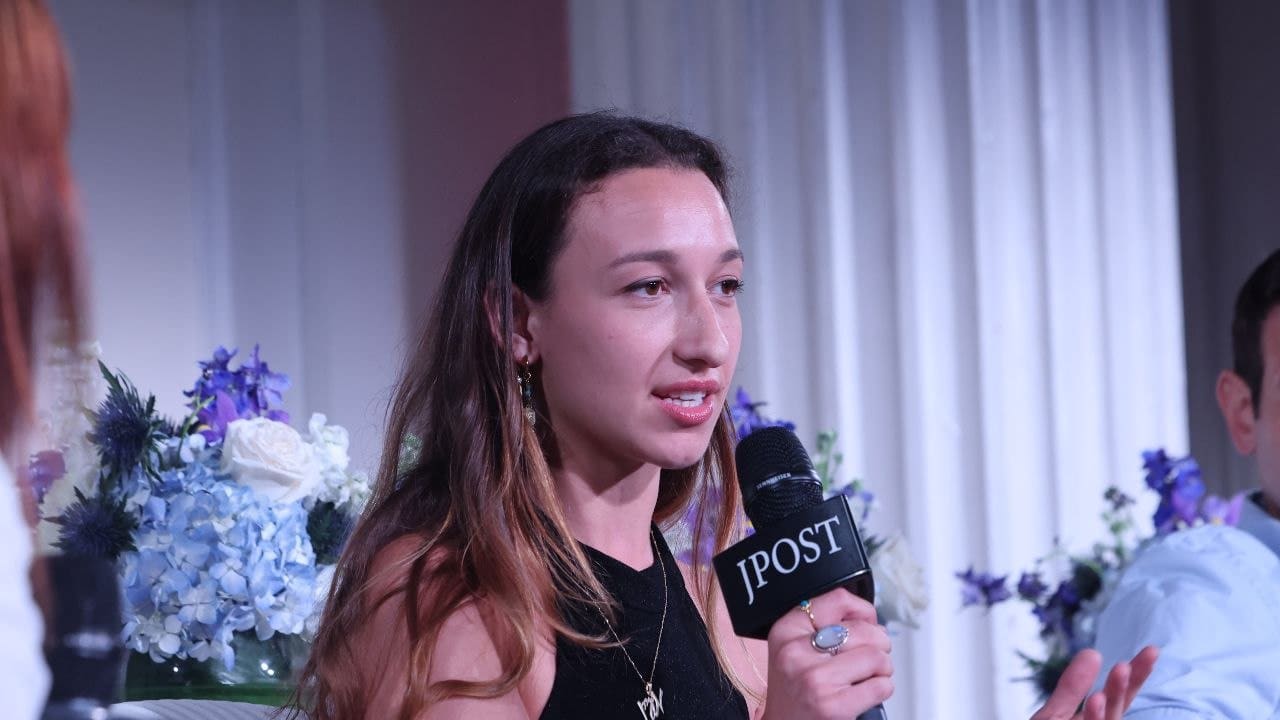
Standing before attendees at The Jerusalem Post New York Conference Gala on Sunday in New York, Dee held up two small salt and pepper packets in honor of her close friend, Sivan Sharabani, murdered at the music festival.
“Sivan didn’t just carry salt and pepper,” Dee told the audience. “She actually named them simcha v’osher, ‘joy and happiness.’” She explained how Sharabani, a fellow backpacker she met while in Argentina after her IDF service, would sprinkle them onto her food and cheerfully announce, “I am happy – simcha v’osher.”
The deeply personal story formed part of a presentation highlighting the work of SafeHeart, Israel’s largest mental health provider for survivors of the Nova and other music events targeted during the Hamas-led attacks.
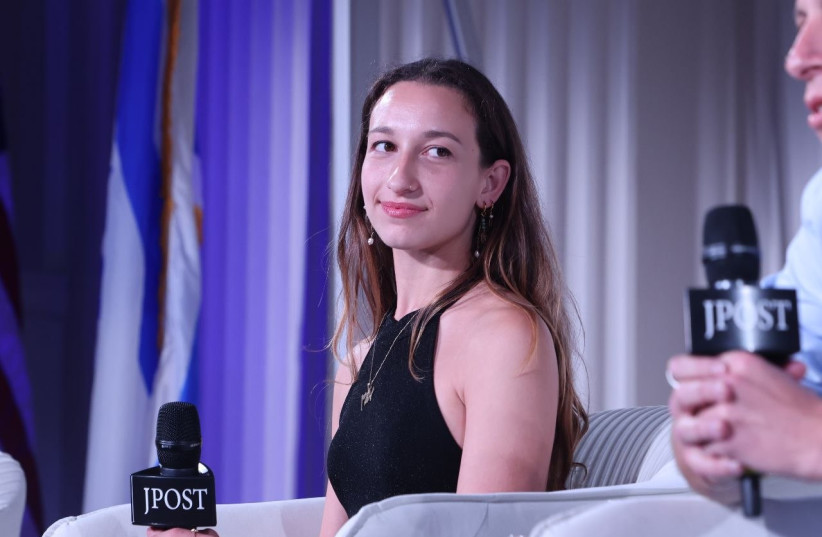
Introduced by SafeHeart Global Ambassador Ori Schnitzer, Dee’s story offered a glimpse into the long road of recovery still facing thousands of survivors, nearly three years after the attack.
SafeHeart established to address unique challenges faced by Nova survivors
Founded by mental health professionals: psychiatrists, psychologists, and researchers from the music festival community, SafeHeart was created to address the unique psychological challenges faced by Nova survivors. The organization provides trauma treatment, counseling, support groups, crisis intervention, and long-term mental health care free of charge to survivors and their families.
According to Schnitzer, the need remains immense. “It’s been nearly three years since October 7, but for so many, simply waking up and facing the day is still an uphill battle,” he said. “PTSD changes life not through a year or two, but it reshapes it forever.”
For Dee, that struggle has taken many forms.
A former lone soldier who immigrated from the UK and served in the IDF’s canine combat unit, she attended the Nova festival with friends she had met while traveling through South America after her military service. Although she escaped the massacre, Sharabani did not.
“A week later, her body was identified from burned remains in southern Israel,” Dee recalled. “I didn’t accept the fact that she was dead. I couldn’t.”
In the months that followed, Dee grappled with survivor’s guilt and trauma, and soon realized she needed professional help.
“I needed a place that would treat me without judgment and understand the Nova community,” she said.
That search led her to SafeHeart, which paired her with a therapist based on her personal needs and provided dozens of free sessions.
“They connected me to my therapist and offered me 24 sessions for free. Twenty-four became 36 when I needed more,” she noted. “And now, two years later, SafeHeart has still never asked for one shekel.”
Supported by private donors and government funding, SafeHeart continues to provide care for over 3,000 survivors and their families.
'We can do more than survive'
“For me, and many other survivors, navigating this stormy ocean of PTSD, SafeHeart has truly been our lifeboat,” Dee said.
As she concluded her remarks, Dee returned to the memory of her friend and the small packets she carried everywhere.
“We can do more than survive,” she said. “We can live.”
Written in collaboration with SafeHeart.