Neighborhood Corner
Givat Mordechai: Where students, scholars, and history meet
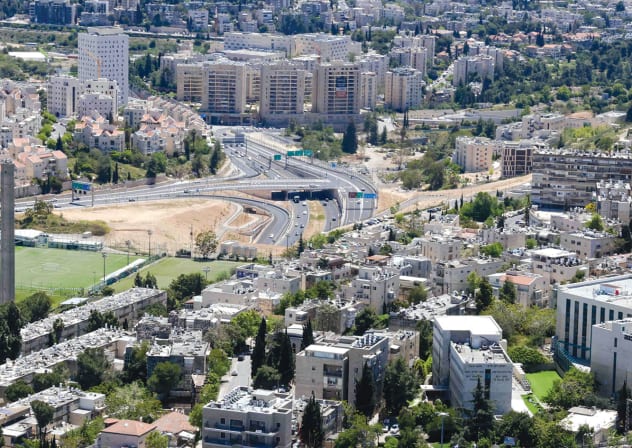
A neighborhood in southwest Jerusalem that has evolved from a Mizrachi pioneer project into a hub for young families, students, and one of the haredi world’s most prestigious yeshivot.

Har Homa: Jerusalem’s southeastern gateway

Reches Lavan: Jerusalem’s next big neighborhood tests housing needs against nature

The Bukharan Quarter: A long way from the Silk Road
Kiryat Menachem: The immigrants’ sanctuary in Jerusalem
Neighborhood Corner: From its modest beginnings with rows of utilitarian housing blocks, Kiryat Menachem has been witness to Jerusalem’s urban expansion.

Har Nof: Jerusalem's neighborhood of panoramas and piety
Neighborhood Corner: By the 2000s, Har Nof was synonymous with religious devotion, its streets lined with synagogues and yeshivot that catered to a range of Jewish traditions.

Rassco: A rose by any other name
Neighborhood corner: Rassco might not be the biggest neighborhood in Jerusalem, but its peaceful streets, lined with stone-clad buildings, make it one of the most charming areas of the city.

French Hill: Jerusalem's evolving neighborhood from battlefields to high-rise towers
French Hill is a peaceful and quiet neighborhood with a medium-to-high socioeconomic status.

Mount Scopus: Keeping watch over the Holy City of Jerusalem
Neighborhood Corner: Situated in the eastern half of Israel’s eternal capital, the etymology of Mount Scopus reflects its historical role as a lookout point over Jerusalem.

Pat: Residential gateway a stone’s throw from Jerusalem landmarks
Neighborhood Corner: While Pat is still on the small side and mostly residential, its proximity to local landmarks means one is never more than a few minutes away from something to do.

Ramat Eshkol: From Six Day War battleground to thriving haredi hub
Neighborhood Corner: Founded after the Six Day War, Ramat Eshkol was intended to be one of the "hinge" neighborhoods connecting west Jerusalem with Mount Scopus.

Kiryat Belz: Unveiling Jerusalem’s Hassidic gem
Neighborhood corner: Kiryat Belz stands as a beacon of peace and prayer in Jerusalem.

Kiryat Moshe: Jerusalem’s sought-after hub of learning
Neighborhood Corner: Due to its central location, Kiryat Moshe has become a sought-after neighborhood in Jerusalem for urban renewal and development projects.

Bayit Vagan: The garden oasis of Jerusalem
Neighborhood Corner: The name “Bayit Vagan” derives from the Hebrew phrase “house and garden,” reflecting the original vision for the neighborhood’s dwellings.
